
Parents Who Insist On Following 11 Outdated Traditions Bond More Closely With Their Kids Than Everyone Else
 Miljan Zivkovic | Shutterstock
Children who grow up in homes with family traditions tend to live happier lives. When parents prioritize making and sharing traditions, they're teaching their kids about the importance of connections and community, and actively bonding on an individual level.
By following these traditions, even if they seem outdated, parents are forming deep, long-lasting bonds with their kids. These activities may unfold in unique and unexpected ways, but it's the family stability and security they support that genuinely makes a difference.
Old-school family traditions that keep parents and their kids closely bonded for life
1. Family dinners
 PeopleImages | Shutterstock
Family dinners are profound. While they can be overlooked amid the chaos of school responsibilities and parents working full-time, prioritizing them as a consistent family ritual boosts a healthier dynamic and actually heightens kids' academic achievement at school. Dinners together also combat disordered eating and fights against anxiety and other mental health issues.
Even if it's just once or twice a week, sitting down to eat a meal as a family opens up deeper conversations. It encourages everyone to be present for a short period of time to bond without the pressure of making plans or going out.
2. Pretend interviews
 Branislav Nenin | Shutterstock
According to Voiland College of Engineering and Architecture, mock interviews can encourage professional success later in life, even if it's between parents and their kids. It improves confidence through answering questions and receiving feedback, and reduces the stress and anxiety associated with candidate conversations.
While they might seem silly or uncomfortable at first, this opportunity to embrace discomfort as a family is a great thing. Everyone has a chance to feel more understood on a deeper level, while still gaining professional and social skills for later in life.
3. Reading before bed
 Evgeny Atamanenko | Shutterstock
Parents reading with their kids before bed doesn't always fade away after a certain age. Rather, it's reworked into adolescence and even early adulthood, where parents and children continue to indulge in novels and stories.
Even when they're still reading before bed, with or without their parents, adult children can look back on all the nights they spent giggling or falling asleep to the sound of their favorite book and their parents' voices. They remember how safe and loved they felt in that moment.
4. Trying new and unusual hobbies
 PeopleImages | Shutterstock
According to a 1993 study on romantic couples, partners who try new things together and invest in experiences they've never done before as a team tend to cultivate happier dynamics. The same can be true for family bonds, because making space for curiosity and getting out of your comfort zone is a great thing for any kind of relationship.
By trying nontraditional hobbies together, families teach their kids how to try new things without unfairly judging themselves or trying to be the best at everything. Kids learn how to build their self-esteem from their parents at an early age, watching their modeled behavior but also from being encouraged to jump into situations like this.
5. Family meetings
 Rido | Shutterstock
Your parents never stop playing an important role in your life. Even if you don't maintain a healthy relationship with them into adulthood, your childhood experiences tend to live on after you leave home. This affects your self-esteem and your ability to form new social connections, according to a study from Annals of General Psychiatry.
Engaging in deep conversations is one way families protect their relationships and bond for life, teaching their kids communication and listening skills. In fact, having consistent family meetings may seem outdated, but it helps families explore their curiosities and express their needs.
In an ideal world, these conversations tend to be casual, but by reinforcing their structure, kids and parents both have a safe place to talk about deeper topics and bond.
6. Lazy Sundays
 La Famiglia | Shutterstock
According to a study from Future Science OA, chronic stress and anxiety can have adverse effects on a person's physical and mental wellness, especially when they're not consistently taking time to rest. But by adopting one lazy day a week, people can avoid these consequences, resting their bodies and minds.
When families take a lazy Sunday and make it into a weekly tradition, kids are learning how important it is to rest and recharge. Even if it's just a family rule that everyone comes home for family time on Sundays, parents can bond with their children without doing anything at all.
7. Sharing hobbies together
 PeopleImages | Shutterstock
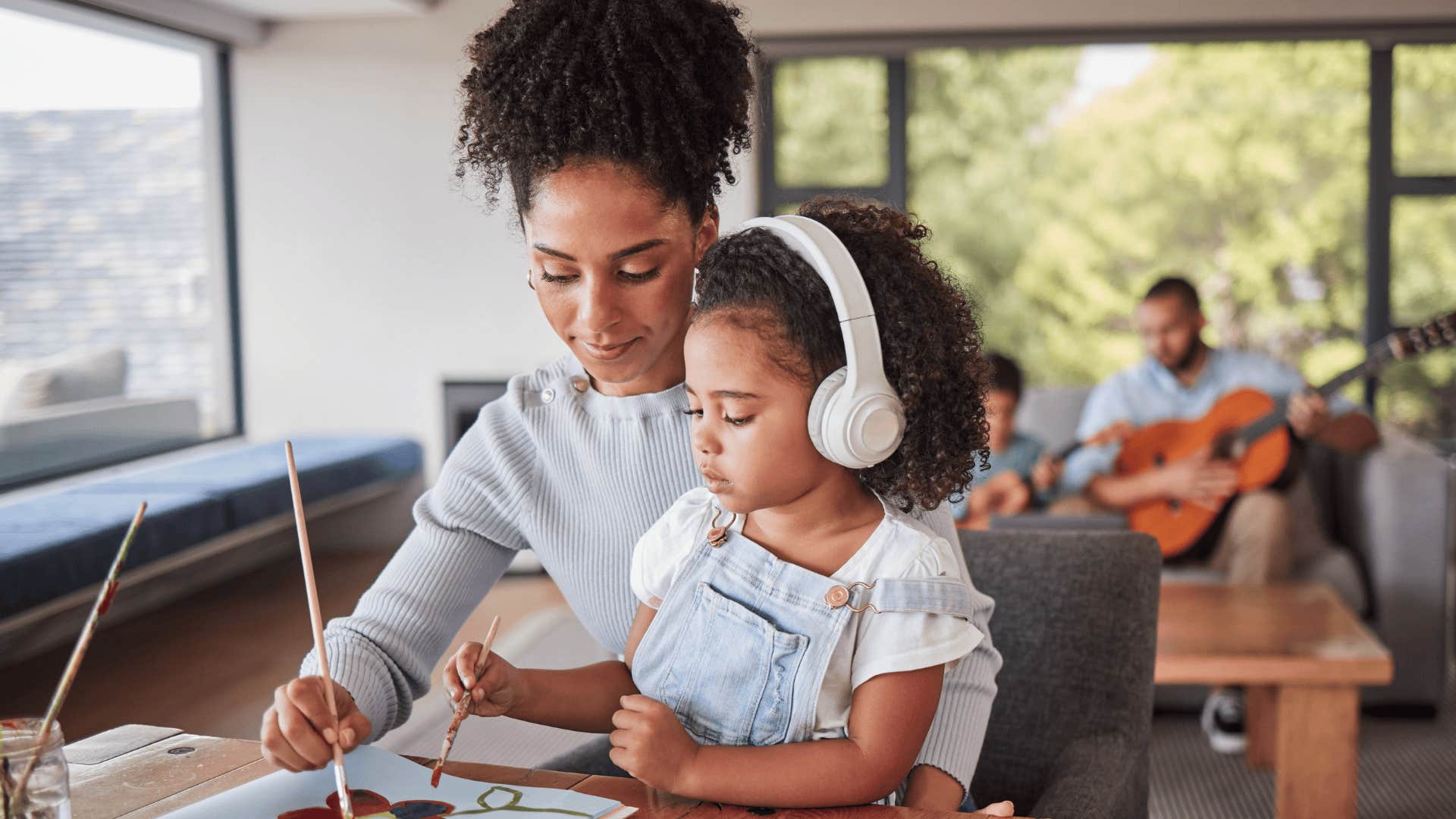
Feeling heard and valued is fundamental to any relationship, but the ways families cultivate those important feelings can look different depending on the household. One way to improve that understanding is by sharing hobbies together.
It could be something simple like watching a television show on a week night or going on a hike. No matter what it is, group family hobbies keep everyone bonded. You get a glimpse into each other's world and everyone gets to understand their family members better.
8. Making a meal together
 PeopleImages | Shutterstock
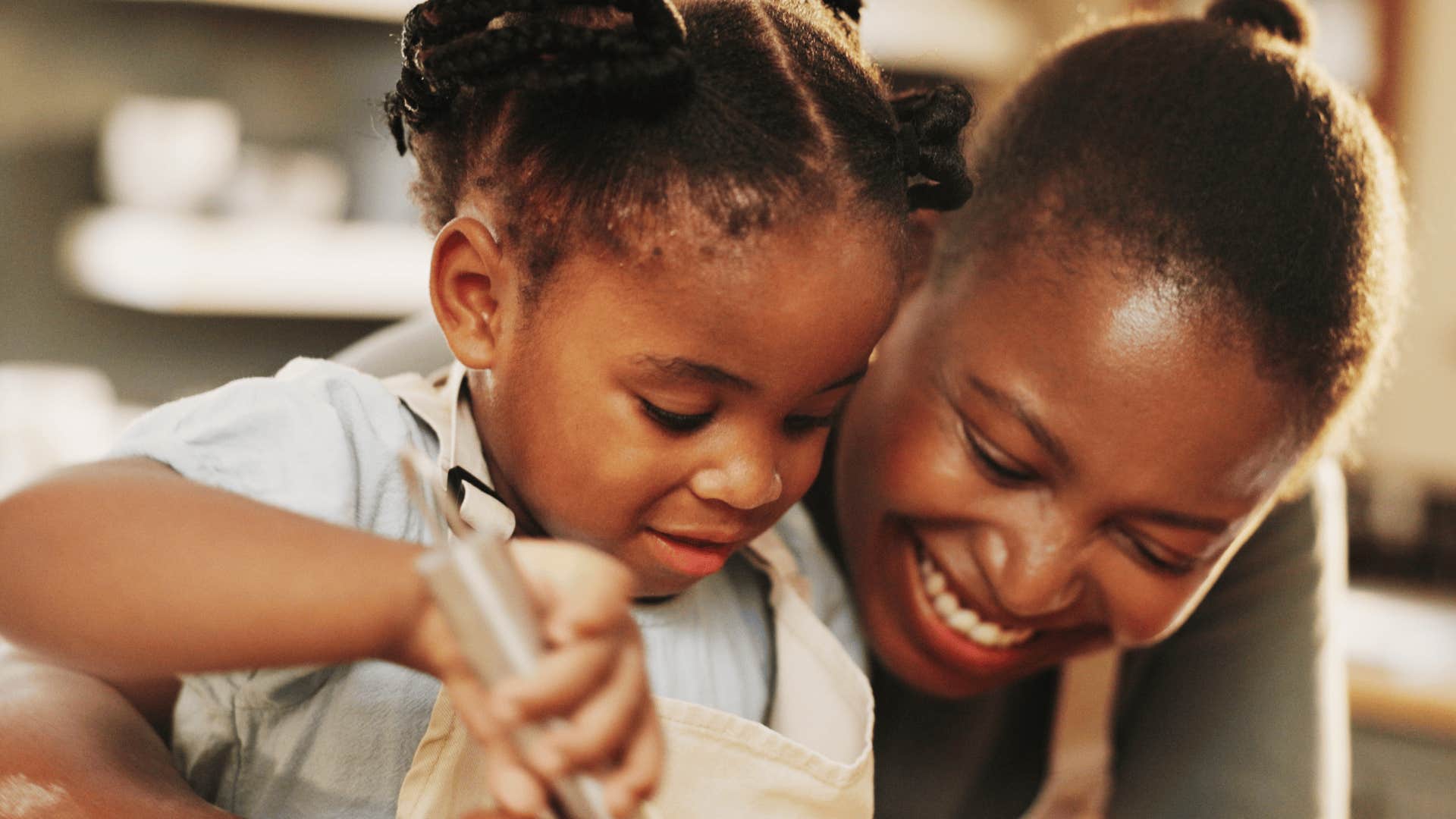
Food is inherently emotional, whether it's cooking or sharing a meal with someone. Families can tap into this by cooking together and sitting down for a meal. It strengthens their bond and leads to healthier relationships around food in their household.
When children leave the home or family dynamics shift into adulthood, these memories can keep families strong and close. When adult children make their own meals, the nostalgia of this tradition lives on. Similarly, a specific meal may provide solace to a grieving parent experiencing the natural disconnect of their adult children leaving home.
9. Writing notes to each other
 fizkes | Shutterstock
Writing notes in your child's lunchbox or sending a letter to them at college can be a therapeutic daily ritual for many parents. But having those memories and even keepsakes hold power in keeping families bonded.
The notes that children or parents decide to save can be emotionally grounding when things feel tough. It lets them reminisce about happier times while holding something tangible to lean on.
10. Annual vacations
 PeopleImages | Shutterstock
Taking a vacation isn't just a way for families to bond and create memories, it can also boost psychological health in the present moment. By having something to look forward to, everyone is able to manage the stressors and anxieties of everyday life.
While it's not always feasible to travel as a family or plan an extravagant vacation, making memories and having something to look forward to is what matters most, not the cost. When families take a local trip or even plan a family date night, it creates a tradition that will trigger happy memories forever.
11. Volunteering together
 Robert Kneschke | Shutterstock
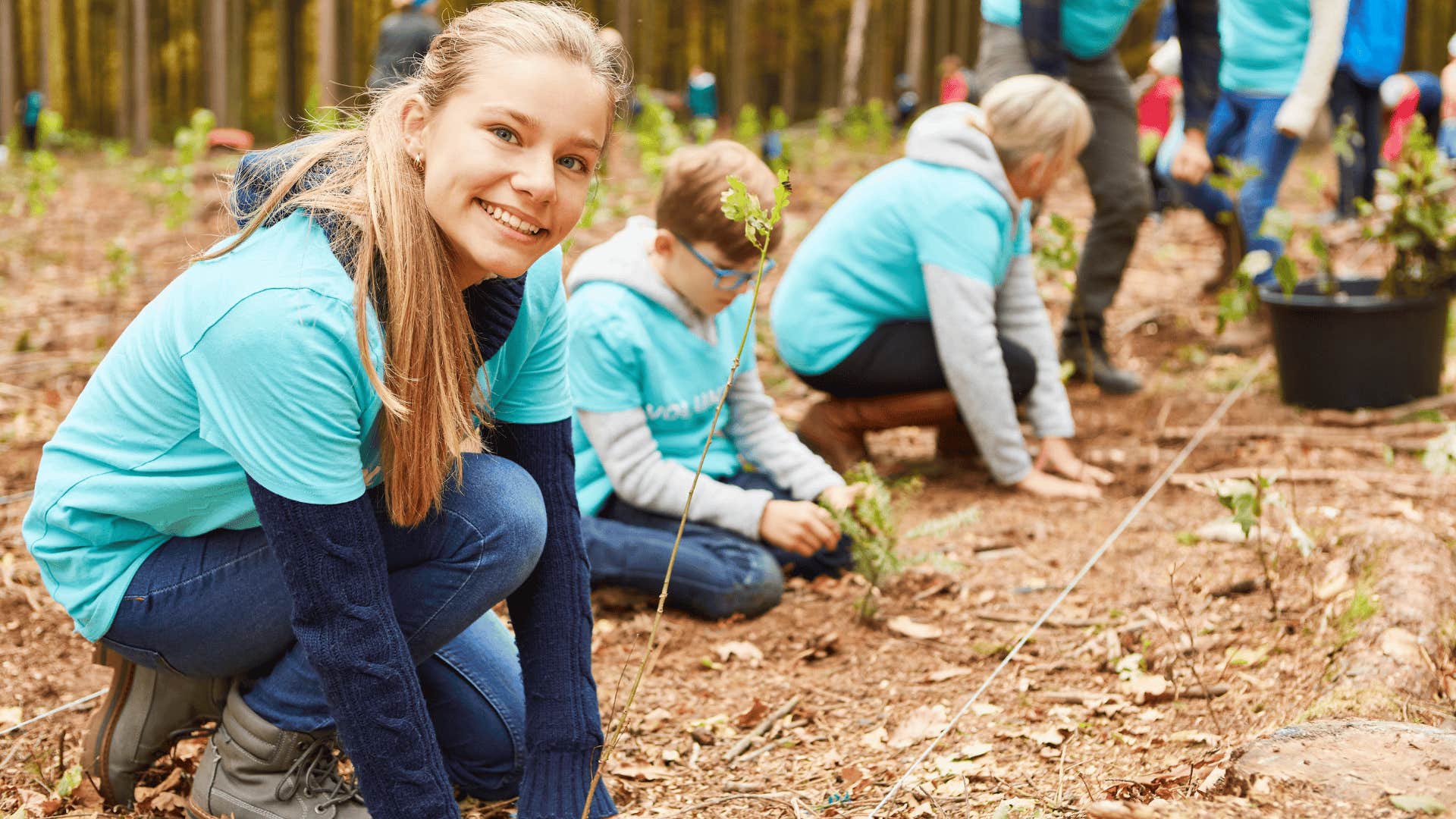
According to psychotherapist Angela Thoreson, making the intentional decision to help people by volunteering your time has a number of benefits. It reduces stress and increases positive thoughts, and even assists people in building community while experiencing a sense of belonging.
By engaging in this shared activity as a family, parents and children can strengthen their bonds while also building new ones. And it all happens while they serve their community and help others in need.
Zayda Slabbekoorn is a senior editorial strategist with a bachelor's degree in social relations & policy and gender studies who focuses on psychology, relationships, self-help, and human interest stories.

