
11 Childhood Experiences That Cause Kids To Go No Contact With Their Parents As Adults
 Dmytro Sharapov | Shutterstock
Even loving, available parents can hurt their kids, but how they respond to that pain is what matters years down the line. Some childhood experiences can lead kids to go no contact with their parents as adults, especially when what happened remains unresolved. Parental estrangement can follow years of hurt and repeated attempts to feel heard, understood, and accepted by the people who raised them.
Supportive parents focus on repair and reconciliation after these experiences, but not every parent has the tools or willingness to do that. It’s hard to hear that you hurt your child, but repairing the relationship means listening without immediately defending yourself. When parents repeatedly dismiss that hurt or refuse to acknowledge their part in it, staying connected can become more and more difficult. The childhood experiences below can help explain why some adult children eventually decide they need to walk away.
Here are 11 childhood experiences that can lead kids to go no contact with their parents as adults:
1. Their parents ignored their emotional needs
 Daniel Jedzura | Shutterstock
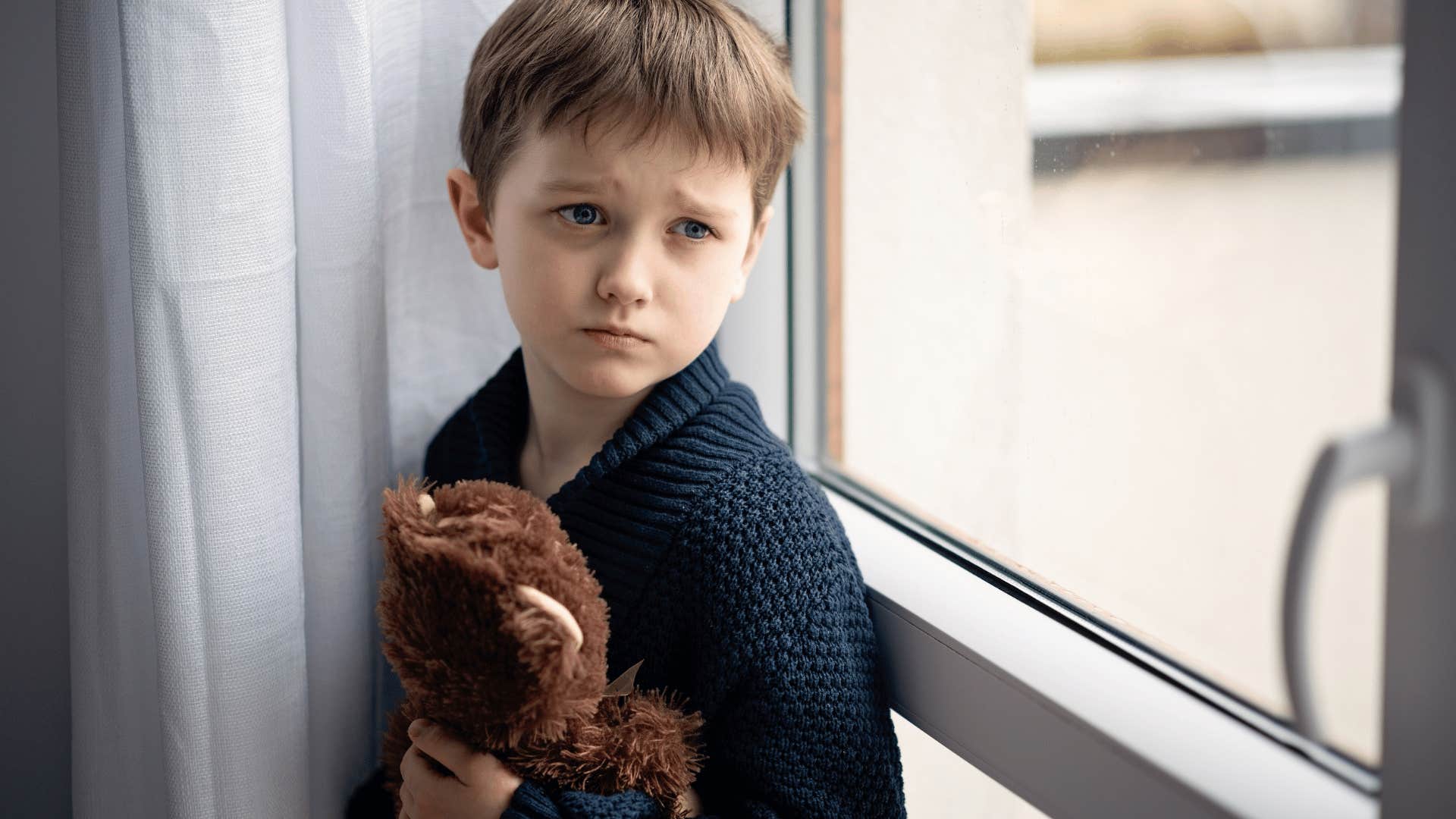
For kids to flourish, they need to feel safe, protected, and cared for on both practical and emotional levels. Just as kids need three meals a day and a place to call home, they also need their parents to be emotionally available. Showing up and being present is an expression of love, and kids who were emotionally neglected grow up believing that their parents didn't truly love them.
Parental emotional neglect is deeply damaging for kids. It's an experience that extends far beyond childhood, negatively affecting how kids enter relationships as adults. A 2025 study published in BMC Psychology found that childhood emotional neglect was linked to more anxiety and discomfort with closeness in romantic relationships. That can mean worrying about being left or struggling to let a partner get close.
They often feel alienated from their family of origin and resentful that they weren't given the attention and affection they should have received. After years of feeling overlooked, they may pull away because they no longer trust their parents to be there for them.
From the outside looking in, adults who cut off their parents might appear callous and cruel. In reality, they're doing what they need to protect their emotional well-being, which is something their parents never did for them as kids.
2. Their parents made love feel like something they had to earn
 juninatt | Shutterstock
Some adults who cut off their parents experienced conditional love as kids. They felt harshly judged when they did something wrong, as though their parents might pull away from them or take back their love.
As family psychotherapist Sidu Arroyo-Boulter explained, children who feel they have to earn their parents’ love can learn to accept themselves only when they meet certain expectations. Unconditional love, on the other hand, lets kids know they’re accepted for who they are, without having to prove themselves through good behavior or achievements.
Arroyo-Boulter explained that conditional love can leave children believing they’re only lovable when they please other people. They may become overly critical of their mistakes and struggle to believe they deserve affection when they fall short of someone’s expectations.
That pattern can follow them into adult relationships, where they keep changing their behavior to please a partner and feel reassured that they’re loved. Although loving someone without any conditions can be difficult, Arroyo-Boulter described the parent-child relationship as one of our closest opportunities to offer that kind of acceptance.
3. Their parents repeatedly invaded their privacy
 Dikushin Dmitry | Shutterstock
For some adults who cut off their parents, the boundary-crossing and invasions of privacy began in childhood. Mutual respect and trust are the core points of every relationship, even those between children and their parents.
Some parents believe that the scope of their role allows them to disregard their kids' need to have a private life. They read diaries and rifle through desk drawers. They thumb through notebooks and listen in on phone calls. They can't handle the idea of their kids making independent decisions and having thoughts and feelings they don’t want to share with their parents.
A three-year study published in Developmental Psychology found that when teens felt their privacy was invaded, their parents knew less about their lives a year later. For mothers, that connection was partly explained by teens becoming more secretive, suggesting that prying can backfire.
Being young doesn't mean kids should tolerate disrespect, but relying on their parents for survival can make that situation very tricky to navigate. When those invasions of privacy continue into adulthood, some choose to cut contact to protect their boundaries.
4. They never knew what to expect at home
 fizkes | Shutterstock
Growing up in an unstable home environment can contribute to a decision to cut off parents in adulthood. Their basic needs often went unmet, which meant they had to focus on survival instead of having fun, making friends, and just being kids. A 2020 review of 112 studies published in BMC Public Health found that children in chaotic homes were more likely to struggle with their emotions, behavior, and schoolwork.
Childhood trauma therapist Patrick Teahan explained that in chaotic families, broken promises and sudden changes can happen so often that kids start to see instability as normal. That unpredictability can extend to their basic needs, leaving them without clean clothes, regular meals, or consistent schooling.
Teahan explained that kids from chaotic homes may learn to rely only on themselves to cope with the shame they feel about their upbringing. As adults, they can struggle to feel emotionally settled or secure in their relationships. They struggle to trust others and themselves, and they have a deep fear that any emotional connection they make could dissolve at any moment.
As they grieve the consistency and stability they were never given, adults who had chaotic experiences as kids might cut their parents off in an effort to give themselves the stable foundation they've always deserved.
5. Their parents set expectations they could never meet
 fizkes | Shutterstock
Setting expectations for kids to meet is a natural part of being a parent, but when those expectations are so high they can't be met, that pressure can lead adult kids to want distance from their parents.
Many parents believe that pushing kids to meet high standards teaches them to challenge themselves, but when those standards are unattainable, the pressure can eat away at their self-esteem.
Pat Tanner Nelson, a former family and human development specialist at the University of Delaware, explained that realistic expectations give kids opportunities to succeed and build confidence in themselves. When expectations are too high or too rigid, parents' repeated disappointment can wear down a child's self-esteem. Expectations should account for a child's age, personality, and circumstances, giving them room to learn without making them feel like they're constantly falling short.
Parents who celebrate the effort their kids put into a task, rather than the outcome, send their kids a message that doing their best is absolutely good enough. Kids need to know their parents believe in them and will keep loving them, even when they fall short of perfection. Without that reassurance, some grow up wanting distance from a relationship where they never feel good enough.
6. Their parents used shame to discipline them
 fizkes | Shutterstock
Shame is an especially difficult emotional experience. Being shamed by their parents is something kids don’t easily bounce back from, because it can deeply damage their self-worth. That hurt can follow them into adulthood, leaving them feeling unloved and unworthy, like nothing they did back then or do now has ever been good enough.
As researcher and vulnerability expert Brené Brown explained, shame can undermine our belief that we deserve love and acceptance. Helping kids feel worthy starts with recognizing how shame shows up within the family and how parents may pass it along.
Brown also explained the difference between shame and guilt. Guilt focuses on something we did wrong, while shame makes us believe there’s something wrong with who we are. For a child, that can mean seeing a mistake as proof that they’re unlovable rather than as something they can learn from.
In The Wholehearted Parenting Manifesto, Brown encouraged parents to show their children what self-acceptance looks like. When parents treat themselves with compassion and accept their own imperfections, they help teach their kids that they don’t have to be perfect to deserve love, connection, and happiness.
Using shame to discipline kids can leave them questioning their worth instead of understanding what they did wrong and how to make it right. Those feelings can take years to work through, especially when the people who caused them never acknowledge the hurt.
7. Their parents punished them with the silent treatment
 fizkes | Shutterstock
Kids who experience the silent treatment from their parents are sent the message that they should watch what they say and do because upsetting a parent could mean being ignored. With the silent treatment, there's barely any room for making a mistake.
Kids learn from an early age that their parents are willing to wield cruelty to get them to fall into line. The silent treatment is a subtle form of emotional abuse, one that leaves kids unsure whether their parent will respond when they need comfort or help.
Relationship expert Dr. Margaret Paul explained that the silent treatment occurs when someone withdraws their approval and goes completely quiet. It's a destructive form of punishment.
She explained that responding to the silent treatment starts with recognizing that you can’t control someone else’s emotions, though that’s especially hard for kids to understand when a parent is ignoring them. Healing can involve learning to treat themselves with kindness and recognizing that their parent’s withdrawal doesn’t make them less worthy of love.
8. Their parents pulled them into adult arguments
 fizkes | Shutterstock
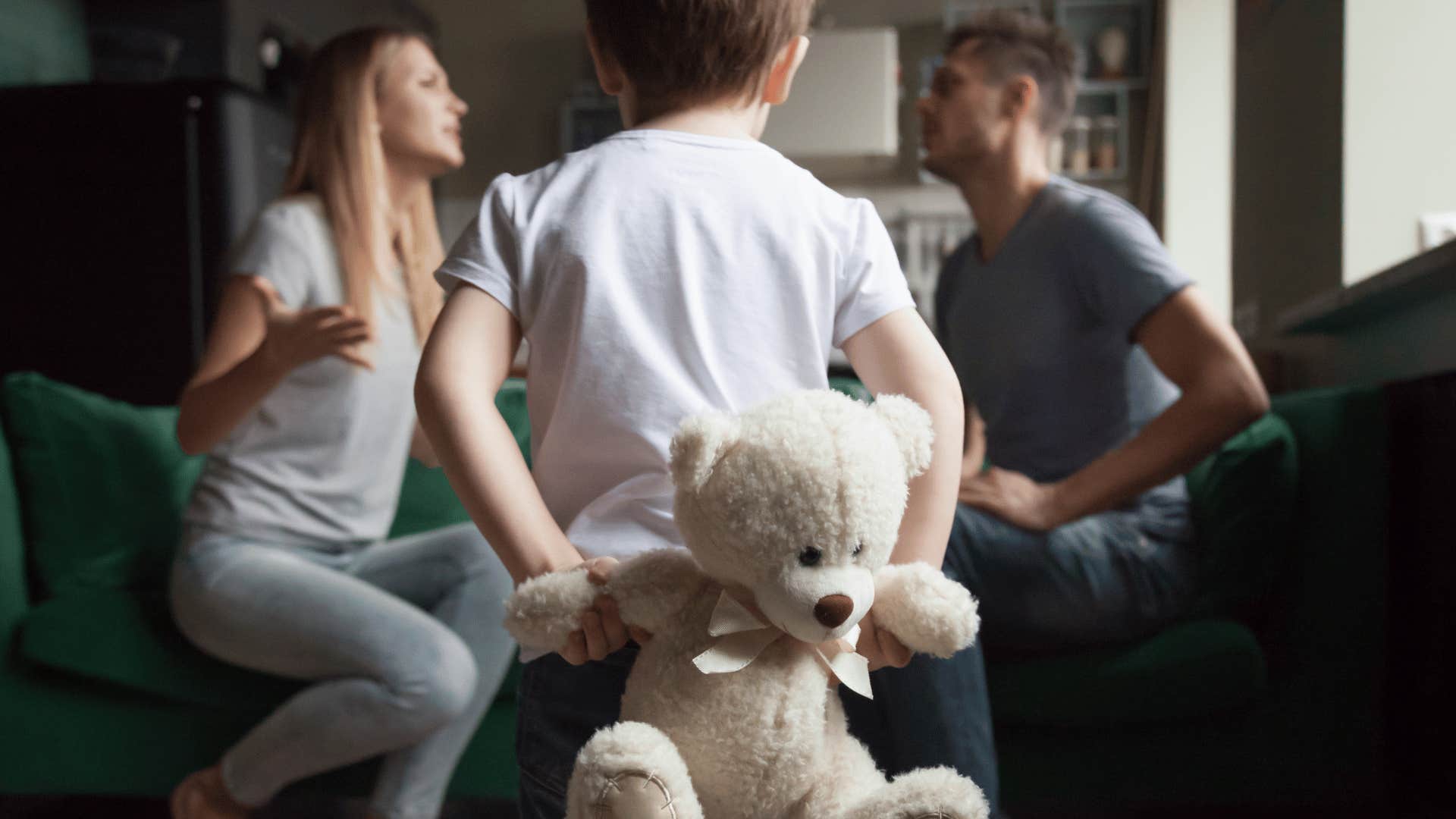
Triangulation is a term used in psychology to describe what happens when someone gets dragged into the middle of a fight between two other people. Triangulation is an especially devastating thing for kids to experience at the hands of their own parents, and it can pose a serious risk to their emotional development.
The conflict between their parents has nothing to do with them, but they're suddenly expected to keep the peace or manage their parents' emotions, which are burdens no kid should ever have to carry. When kids go through triangulation, they absorb their parents' issues as though they were the ones at fault.
As licensed mental health counselor Alyssa Mairanz explained to Parents, triangulation can happen when one or both parents pull their child into their disagreements, pressuring them to take sides or decide who’s right.
Licensed clinical social worker Michelle Felder added that children caught in this position may feel it’s their job to keep a parent happy or prevent arguments at home. They can also feel stuck between two people they love, unsure how to support one without upsetting the other.
The weight of this experience doesn't just disappear once kids grow up and leave home, and it can often lead to estrangement as a way for them to find and protect the peace they were denied in childhood.
9. Their parents dismissed their feelings
 fizkes | Shutterstock
Adults who cut their parents off usually feel like their emotional experiences are continuously minimized, so their parents can protect their own narrative around how they raised their kids. Parents and their adult children don't necessarily have to agree on their respective versions of what happened all those years ago, but they do have to listen to each other and respect each other's perspectives.
Kids need to be able to tell their parents they’re upset without being dismissed or told they’re overreacting. Kids who grew up with parents who dismissed, avoided, or ignored them whenever they expressed difficult emotions often become adults who don't know how to regulate their emotions. A 2022 study found that those who remembered their parents dismissing or rejecting their feelings in childhood also reported a harder time managing their emotions as adults.
The lack of validation from when they were kids often persists well into adulthood. It can be overt, like when a parent tells their adult kid to "just get over it" every time they bring up painful parts of their past. It can also be more nuanced, for example, when parents change the subject every time a challenging topic comes up.
Repeatedly dismissing their feelings can leave adult children feeling unheard and questioning their own experiences, especially when their parents insist that what they remember was exaggerated or never happened.
10. Their parents expected them to handle adult problems
 VGstockstudio | Shutterstock
Kids rely on their parents to guide them through problems they aren’t ready to handle alone. When parents turn to their children for help with their own adult problems, those roles get reversed.
Oversharing can be a form of parentification, which occurs when kids are expected to take on responsibilities beyond their age and abilities. Instead of having time to play, make friends, and figure out what they like, they may feel responsible for keeping a parent happy. A 2023 review found that being expected to meet a parent’s emotional needs was linked to more symptoms of depression in several studies.
When parents overshare, it puts their kids in a deeply uncomfortable position. Kids don't have the emotional capacity to manage their parents' feelings, and expecting them to do so is inherently unfair.
11. Their parents rarely showed them affection
 MAYA LAB | Shutterstock
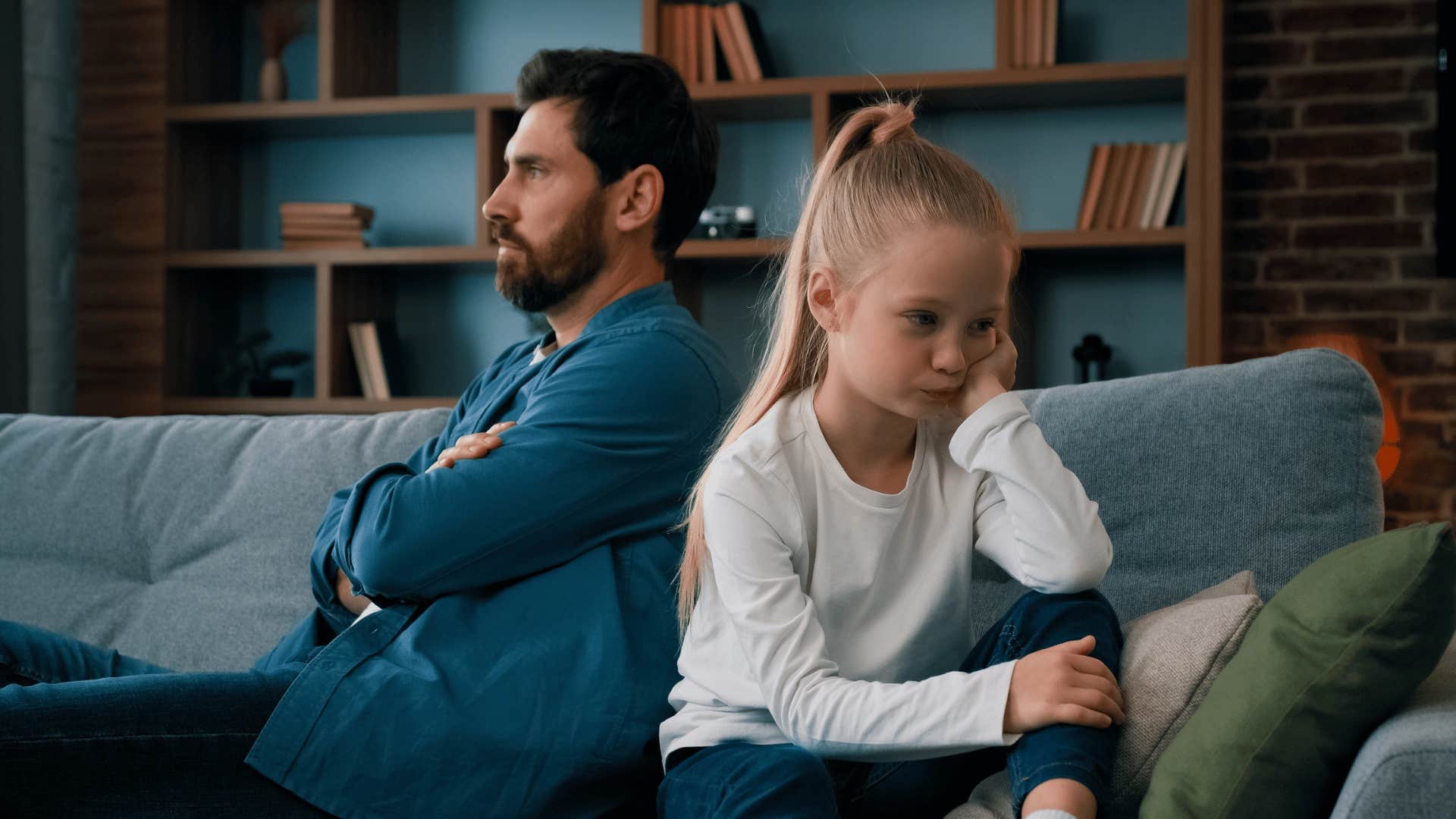
For babies, being held and comforted is one way they experience a parent’s care. Even as kids get older, they still need the comfort and warmth of their parents' affection. They need their parents to hold their hand when they walk down a busy street, so they know they're safe. They need to be hugged when they're sad and in moments of joy.
Kids who rarely receive affection in ways that help them feel loved may experience their parents as distant or emotionally unavailable. A study published in the Journal of Epidemiology and Community Health found that higher levels of maternal affection at 8 months were associated with lower emotional distress in adulthood.
Kids deserve to feel the full extent of a parent's love. Kids who grow up without affectionate touch miss out on an essential human connection with their parents, and often distance themselves from them as adults.
Alexandra Blogier, MFA, is a staff writer who covers psychology, social issues, relationships, self-help, and human-interest stories.

