
Kids Raised By Parents Who Encouraged Them To Play Sports Usually Carry 7 Habits Into Adulthood
 PeopleImages / Shutterstock
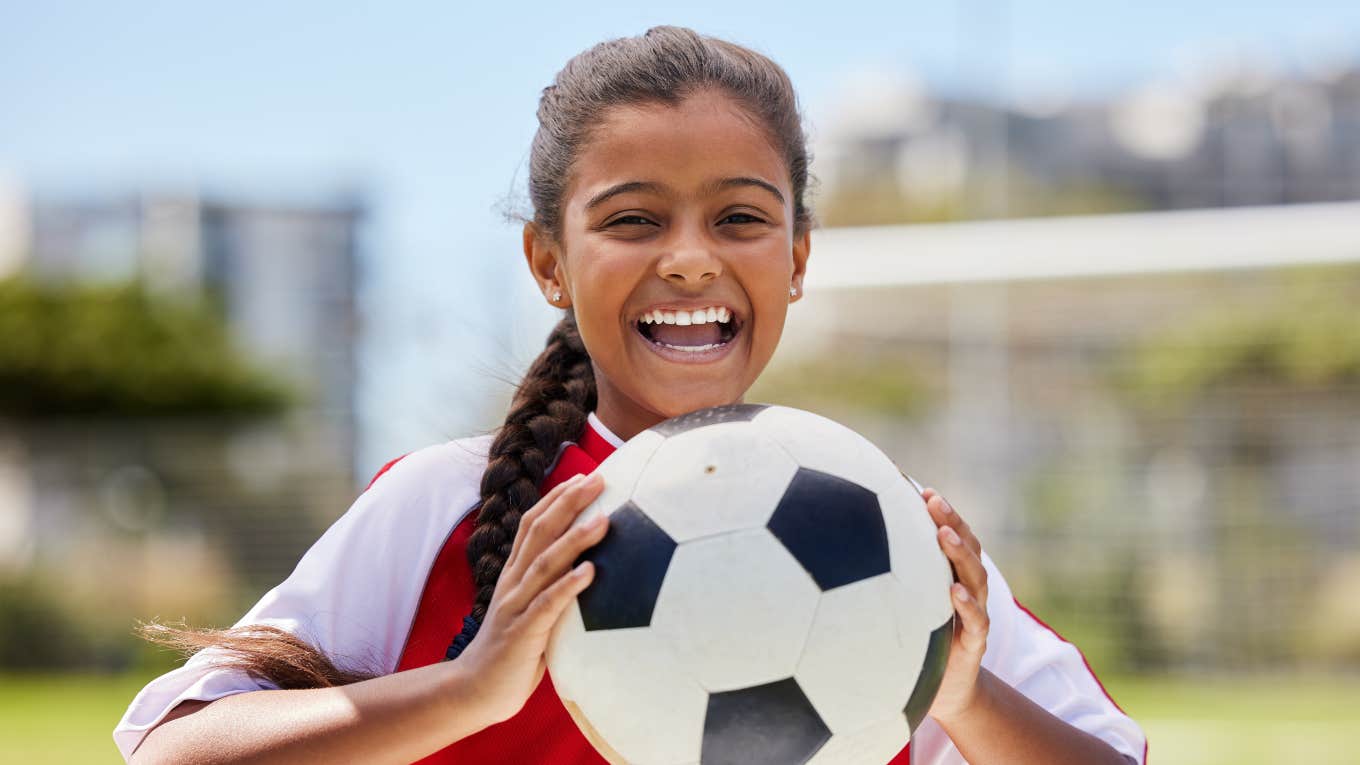
Playing sports at a young age teaches kids a lot more than how to throw a ball or score a goal. When parents encourage their children to get involved in sports, they're also helping them develop many healthy habits that they often stick with long after the games are over.
Not every kid who plays sports grows up to be an athlete, and not every lesson comes from winning. What matters is showing up and learning how to follow guidance or bounce back after a loss. These experiences often carry over as children become adults in ways they don't even realize.
Kids who were raised by parents who encouraged them to play sports often stick with these healthy habits as adults:
1. They don't give up
 Zamrznuti tonovi | Shutterstock
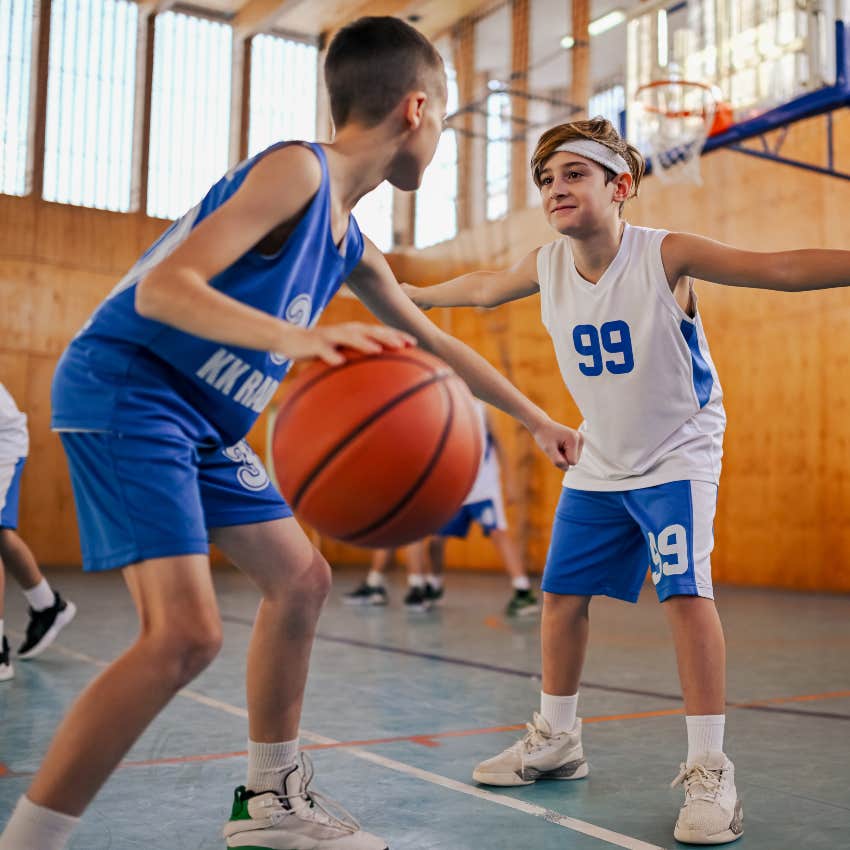
Kids who played sports learned pretty early that not every game was going to go their way. They might have lost or missed a shot, but they still had to get back out there and try again. One bad day didn't automatically make them bad at something.
That mindset keeps them going in everyday life. When they're working towards something, they're less likely to throw in the towel at the first sign of trouble. They understand that real progress takes time.
2. They know the importance of teamwork
Being on a sports team teaches kids that they can't do everything alone. Even the most talented players needed support from others. They practice communicating, sharing responsibility, showing empathy, and recognizing that everyone brings different strengths to the table.
Later, this can show up in how they approach all kinds of relationships. Instead of needing to be the center of attention all the time, they realize that working together can make things feel far more rewarding.
3. They stay disciplined
Not every practice is exciting, and kids who play any kind of sport figure that out pretty quickly. They know they have to put in the work, even when they'd rather hang out with friends or relax at home.
Getting better means being disciplined and making an effort even on the least exciting of days. As they get older, they can do things that seem unrelated, like sticking to a budget or staying motivated to get boring assignments done at work, because they've already learned that small, steady efforts can make a real difference over time.
4. They can take constructive criticism
 pics five | Shutterstock
Children who grew up involved in sports get used to consistently hearing feedback on what they could do better. A coach or trainer might have pointed out a mistake or suggested a different approach to something that wasn't working. If they also have supportive parents, they learn that feedback like that isn't meant to embarrass them. They appreciate receiving notes that offer them ways to improve.
These kids also learn how to listen to someone else's perspective on what they are doing without taking it personally. It's not always easy, but they might consider a suggestion or make adjustments as necessary. Rather than seeing criticism as an attack, they see that there's usually something useful to take away from it.
5. They are comfortable setting goals
Kids who decide to play sports get plenty of experience setting goals. When they strive to make the starting lineup or master a difficult skill, they learn to break up bigger achievements into smaller steps and celebrate their progress along the way.
That experience makes becoming an adult feel a little more manageable. They're more likely to figure out the first step towards achieving a goal and create a plan to get there. Not every moment needs to be perfect. They just need to stay locked in and adjust when things don't go as expected.
6. They show up consistently
Growing up playing sports teaches children that being part of a team means more than just showing up when it's convenient for them. Their teammates are counting on them to be there for practices, games, and all the little things in between. Eventually, they learn that being reliable is important.
As they get older, they become someone others can count on to follow through on plans and keep their promises. They try to be sure they are dependable for the people they care about, even when life gets busy.
7. They know how to manage pressure
 BearFotos | Shutterstock
Being in a big game can feel overwhelming when everyone is watching and the outcome matters. Kids who play sports get familiar with those nerves early on. With time, they learn how to take a breath and avoid letting one stressful moment throw them off entirely.
Later on, they find it easier to stay calm when unexpected problems start to pile up. They know pressure is just part of life, but it doesn't have to control how they handle every situation.
Kayla Asbach is a writer with a bachelor's degree from the University of Central Florida. She covers relationships, psychology, self-help, pop culture, and human interest topics.

