
People Who Are Mentally & Emotionally Awkward Usually Say 10 Things In Casual Conversation
 PeopleImages | Shutterstock
Mentally and emotionally awkward people aren't exactly smooth when it comes to conversation. They don't have the skill to read people's emotions. Filled with anxiety, most of them speak first and think later.
Putting your foot in your mouth can lead to uncomfortable situations, which can make people who already struggle socially want to avoid it at all costs. This is why it's important to think first before speaking. It's difficult, but by being aware, you can avoid uttering these awkward phrases.
Phrases mentally and emotionally awkward people can't help but say in casual conversation:
1. 'I don't know what to say'
 MDV Edwards | Shutterstock
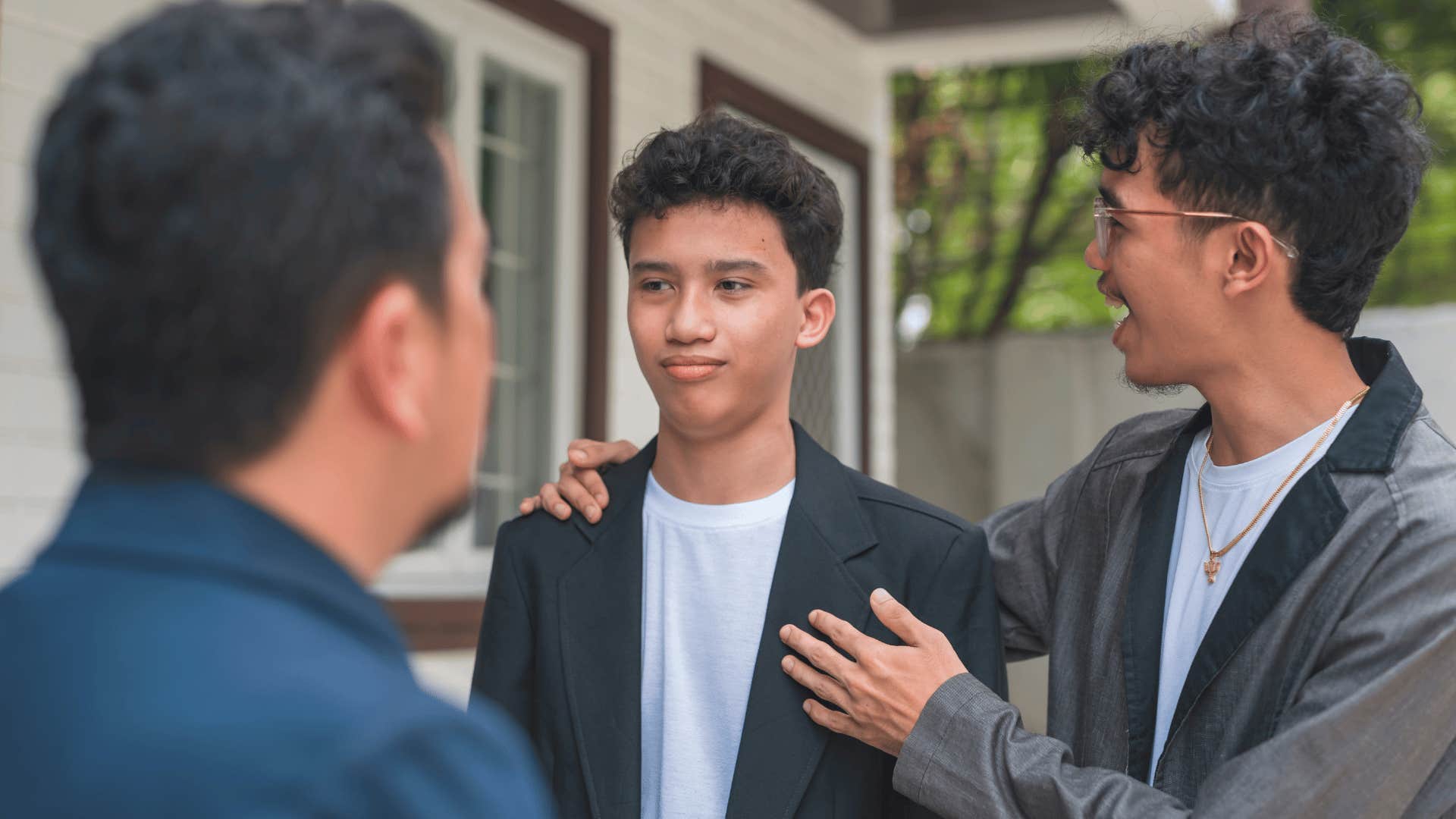
Not everyone has the best social skills. They can't speak confidently to others or stay on track. Their mind is running a million miles per minute, which is why they can't help but say, "I don't know what to say."
For people who are mentally and emotionally awkward, the simple act of introducing themselves or discussing their favorite movie is a tongue-tying task. This is why it's important to give people grace. Social skills can be improved over time, but it takes practice and turning people off from even trying isn't the way to help them get better.
2. 'Did I make things weird?'
 PerfectWave | Shutterstock
Anxious people are chronic over-analyzers. They worry about offending others. Terrified of coming off as strange or awkward, they might even ask others for reassurance and only make the situation worse.
Most people who are comfortable in social situations would never ask this question. Even if they unintentionally said something awkward, they would rather brush it aside than overthink it. As teaching professor Kevin Bennett, Ph.D., said, "This mindset intensifies anxiety and can lead to unnecessary stress." So, when in doubt, move on. Lingering only gives you more problems.
3. 'Sorry, that sounded wrong'
 Prostock-studio | Shutterstock
People who are mentally and emotionally awkward don't mean to stumble over their words, but their people-pleasing tendencies combined with anxiety don't always translate to eloquence.
They are simply looking for ways to connect. They understand the importance of social connection for overall health, so they try to bridge the gap. Cracking jokes and throwing out relatable stories, they believe they have it in the bag until people cringe and the awkward silence ensues.
4. 'I probably shouldn't have said that'
 fizkes | Shutterstock
There's nothing worse than watching yourself fumble in real time. One minute you think everything is going well, and the next you're watching in slow-motion as someone raises their eyebrows. It's humiliating.
They likely don't have the same finesse as someone with years of conversation experience. This is why reassurance goes a long way. It's small, but smoothing things over truly makes all the difference in the world.
5. 'Please ignore me'
 Anatoliy Karlyuk | Shutterstock
People who are awkward hate being the center of attention. Outside of their anxiety, they aren't the most social people out there.
Call them dramatic, but they want to disappear from the conversation when it doesn't flow. They know they messed up, and they don't know how to fix it.
This is why they're offering everyone an escape route; uttering this phrase is a way for them to self-deprecate and attempt to smooth things over at the same time.
6. 'Did that make sense?'
 Miljan Zivkovic | Shutterstock
Mentally and emotionally awkward people are ramblers at heart. They don't mean to spill their whole life story on the first date. However, anxiety has a way of making them loose-tongued.
Professor Robert N. Kraft, Ph.D., explained, "Over-talking often arises from social anxiety, which creates a troubling feedback loop. The more people talk, the more anxious they become about their social selves, and the more they talk."
This is why awkward people follow up and ask, "Did that make sense?" They aren't doubting your intelligence; they're doubting their own. They know they just rambled for 20 minutes straight, unprovoked. Feeling slightly embarrassed, they're asking this follow-up to make sure you aren't too annoyed with them.
7. 'Sorry, I'm talking too much'
 Josep Suria | Shutterstock
Social anxiety can make people apologize for simply being present when they have no reason to feel that way. Regardless of how good a conversationalist someone is, everyone has a right to be heard in a social setting.
Some people who feel emotionally awkward will become wallflowers, but others talk more. True friends and good people won't care either way. No apologies necessary.
8. 'Let me stop talking'
 Pheelings media | Shutterstock
If they've rambled your ear off, you better believe they feel bad for it. They don't mean to subject people to their rare birds of Canada knowledge, but honestly, why is it a big deal if they do?
Awkward people might not be self-aware of social situations, but they're hyper-aware of themselves. Due to their anxiety, they experience fear and excessive worry. As a result, they're always in their head. Unable to stop themselves from experiencing a mini-anxiety attack, they'd rather stop talking than make things worse.
9. 'I'm bad at talking to people'
 TetianaKtv | Shutterstock
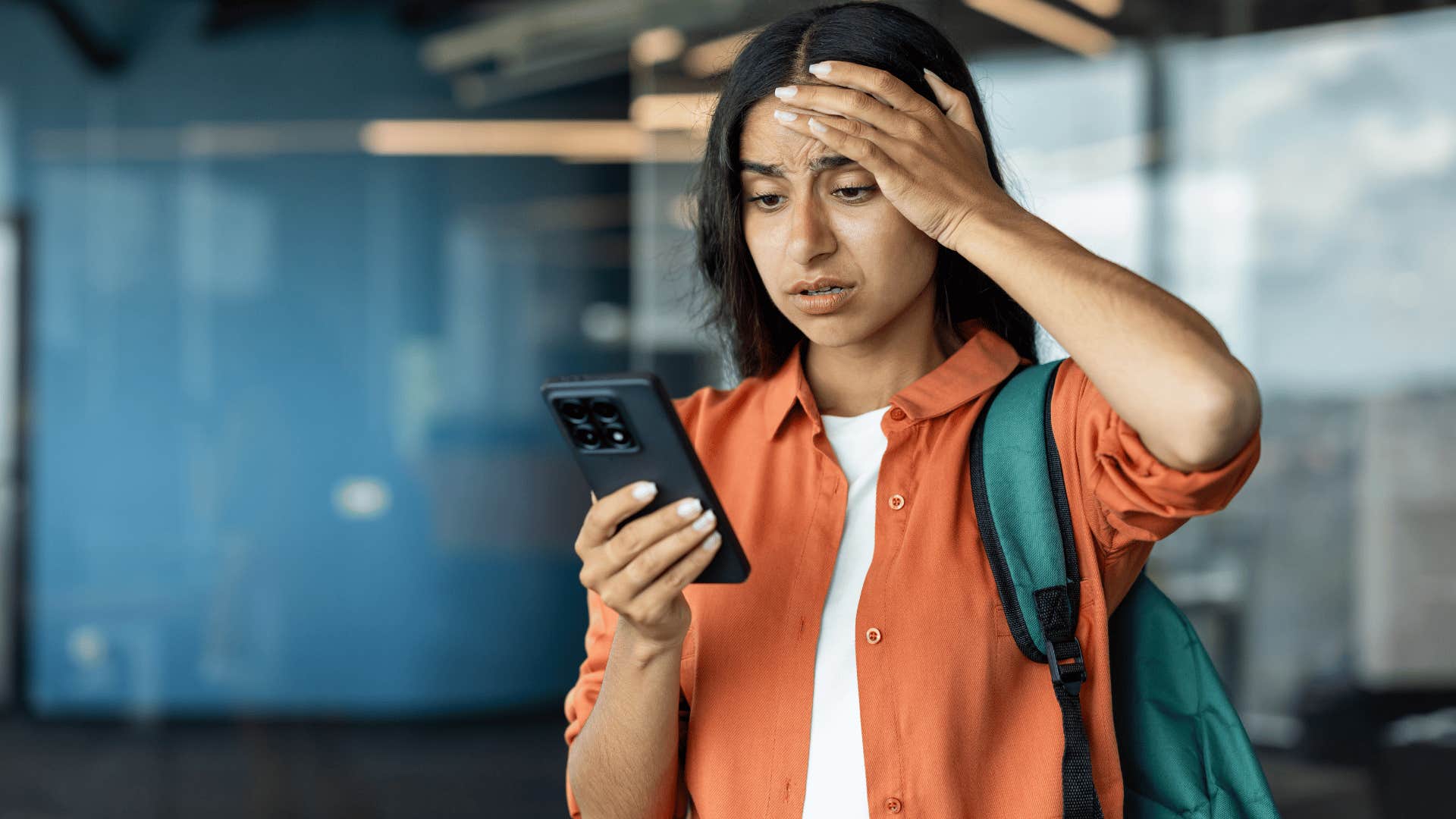
Having the ability to be vulnerable is a gift. If someone speaks about a weakness, that's not a flaw. It's actually an opening to deeper communication. It just needs to be revealed in the right environment.
If it's a networking event or a lighthearted gathering where people spend the bulk of their time talking about the weather or their favorite hobbies, perhaps opening up about insecurities isn't the way to go, but it should never be something they are ashamed of having the ability to do.
10. 'Anway...'
 Antonio Guillem | Shutterstock
Most awkward people are sweethearts. They hate the idea of coming across as rude. The truth is that they want to lead with kindness, which is why they sometimes say, "Anyway..." No, their goal isn't to brush tense situations aside.
If it needs to be addressed, they'll handle it awkwardly. However, if they just nervously laughed for way too long, they aren't going to go into a ten-minute speech on why that wasn't okay. Instead, they'll take the loss and try to change the subject.
Marielisa Reyes is a writer with a bachelor's in psychology who covers self-help, relationships, career, family, and trending topics.

