
Empaths Who Had To Turn Cold To Protect Themselves Usually Have 10 Rare Traits
 Look Studio | Shutterstock
Being an empath is a wonderful superpower, especially in our culture defined by rising narcissism, but there are challenges that only these emotional, compassionate people truly understand. From adopting other people's pain as their own and being more susceptible to mental health disorders, they need strong boundaries and personal intuition to protect themselves.
The empaths who had to turn cold to protect themselves usually have rare traits and behaviors that allowed them to set boundaries, even when it was inconvenient and uncomfortable to do so. They may miss out on helping people or creating a new connection every once in a while, but they're also not interested in doing so at their own expense.
Empaths who had to turn cold to protect themselves usually have 10 rare traits
1. They have a strong sense of agency
 MAYA LAB | Shutterstock
Empaths who have stopped draining themselves for others have adopted a new kind of agency in their lives. They're responsible for themselves and protective of their energy, but they also know how to take care of their well-being, instead of simply assuming that others will consider their best interests.
It's exactly this kind of self-assuredness and agency that boosts their well-being and quality of life. They're no longer reliant or dependent on others to feel secure, because there's a new kind of ownership that prompts self-care and honest resilience in their routines.
2. They understand their own needs
 Migma__Agency | Shutterstock
Someone who knows themselves truly has an edge in a world of performance. They understand what they need, can lead with their values, and effortlessly protect themselves without simultaneously trying to figure out what's worth their time. They know how to set boundaries because they know what they're willing to tolerate and, more importantly, what they're not.
As a study from Europe's Journal of Psychology explains, they have a rare kind of self-awareness that adds to their general well-being. They not only acknowledge and understand themselves, but accept and take action upon their own needs, thoughts, and feelings.
3. They get comfortable with alone time
 Anastasija Vujic | Shutterstock
Empathetic traits often boost feelings of closeness and connectedness with others, but that doesn't mean that solitude and spending time in their own company isn't still incredibly important for empaths. As they begin to set their own boundaries and avoid wasting energy on people who don't deserve it, they stop leaning into chronic busyness and instead invest in themselves and rest.
Instead of letting the immediate gratification of being around other people sway them from a healthy balance of alone time and socializing, they lean into crafting a routine that makes important space for both.
4. They're direct
 VesnaArt | Shutterstock
Even though they have compassion and grace for others, self-protective and grounded empaths use direct communication as a form of kindness. They don't hide their needs or try to keep the peace with passive language, but instead say what they mean and express themselves with directness.
While it can occasionally come off as "rude" or "blunt," especially to people who don't like to hear the truth or take accountability for anything, it's an essential part of a truly grounded, healthy, empathetic person's life.
5. They trust their gut instincts
 PerfectWave | Shutterstock
Instead of trying to offer undeserved kindness and grace to people, empaths who had to turn cold to protect themselves now leverage their own gut instincts and intuition to guide their actions. They trust people's actions and energy, instead of looking for "potential" or ignoring the unexplainable feelings that arise when they're around a certain person or in a specific situation.
Not only can they better figure out what's worth their time and energy, but they can set boundaries that actually work without harboring too much shame. Luckily, it's exactly this kind of inner trust and self-efficacy that makes their lives more satisfying and fulfilling in the long run.
6. They put themselves first
 Migma__Agency | Shutterstock
While radical empaths without much self-esteem often rely on helping others to make themselves feel important, the healthiest, most sensitive people put themselves first. They lean into self-love and self-care. They remind themselves that taking care of their well-being and setting boundaries isn't selfish, but an important investment in their mental health and well-being.
Even if helping others is a way to create meaning and purpose, they know that when they take care of themselves, they're in a better place to help others.
7. They prefer small social circles
 oneinchpunch | Shutterstock
Of course, social connection and feelings of belonging are incredibly important for personal well-being, but sometimes harboring too many surface-level connections and relationships can sabotage that energy. Especially for empaths who tend to put their "all" into interactions, conversations, and relationships, superficial people can quickly drain their energy.
Empaths who intentionally curate small social circles and really invest in the people they care about protect themselves in powerful ways. They know they can trust their close friends and loved ones, and no longer waste energy trying to show up for people who aren't willing to do the same in return.
8. They don't over-explain anymore
 Branislav Nenin | Shutterstock
When you over-explain decisions or boundaries to someone, you're creating self-doubt and framing internal well-being around someone else's opinions or reassurance. Nobody else needs to understand or accept your internal boundaries for them to be worth defending. In fact, the most manipulative, negative people will likely intentionally misunderstand you to make their own lives more convenient.
Empaths who had to turn cold to protect themselves and their energy no longer try to keep the peace by putting their energy at risk. They've stopped people-pleasing, over-explaining, and trying to justify their choices to people who don't deserve their time and effort.
9. They need action to trust others
 Gorgev | Shutterstock
Despite trusting their own intuition, many empaths who have needed to take a step back to protect themselves no longer follow potential in other people. If they're going to trust someone, they need patterns of behavior and actionable evidence to make them feel safe, not confessions and promises.
They set clear boundaries to make that known, and they'll never blame someone for making a human mistake, but that doesn't mean they're going to subject themselves to worry or strain by sticking around.
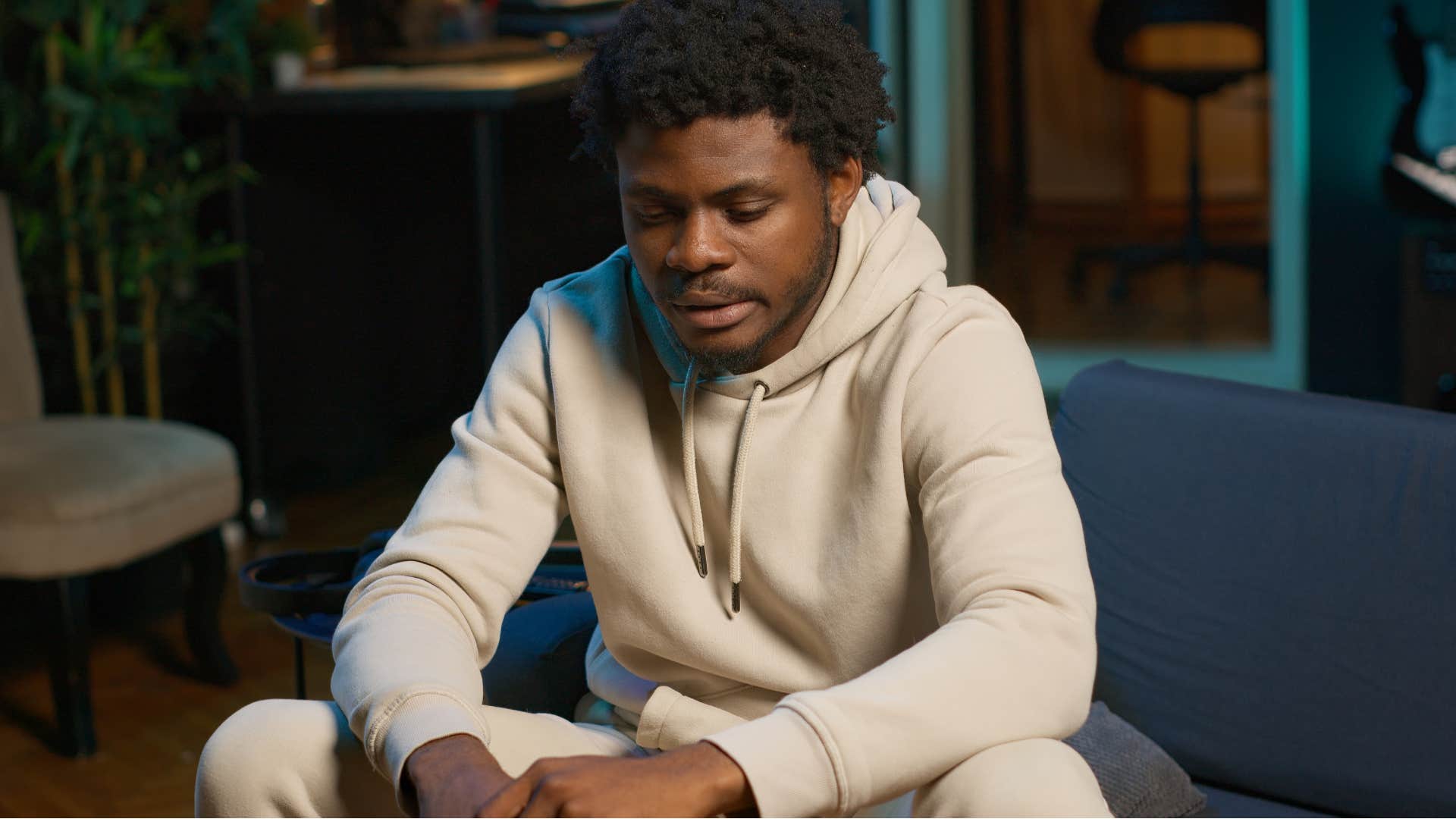
10. They go into their heads a lot
 DC Studio | Shutterstock
Especially if they're in an overly stimulating environment, something sensitive people are often more affected by, or dealing with a lot of emotions internally, zoning out is a subtle way empaths can protect themselves. Not only is it a "reset" for the brain, but it also allows people to manage their own emotions and thoughts without completely disrupting their social flow or internal clarity.
Even if this emotional space around other people is perceived to be cold, it's an internal boundary and defense mechanism empaths need to practice to ensure they're not overextending themselves with stress and other people's energy.
Zayda Slabbekoorn is a senior editorial strategist with a bachelor's degree in social relations & policy and gender studies who focuses on psychology, relationships, self-help, and human interest stories.

