
Seriously Good Parents Don't Hesitate To Fight With Their Kids About 11 Things
 Dragon Images | Shutterstock
The relationship we had with our parents affects us while we're growing up. But family dynamics live on in us for much longer. In fact, our parents' dynamic and priorities influence our own relationships, so it’s clear that the lessons and habits they instilled in us carry into adulthood.
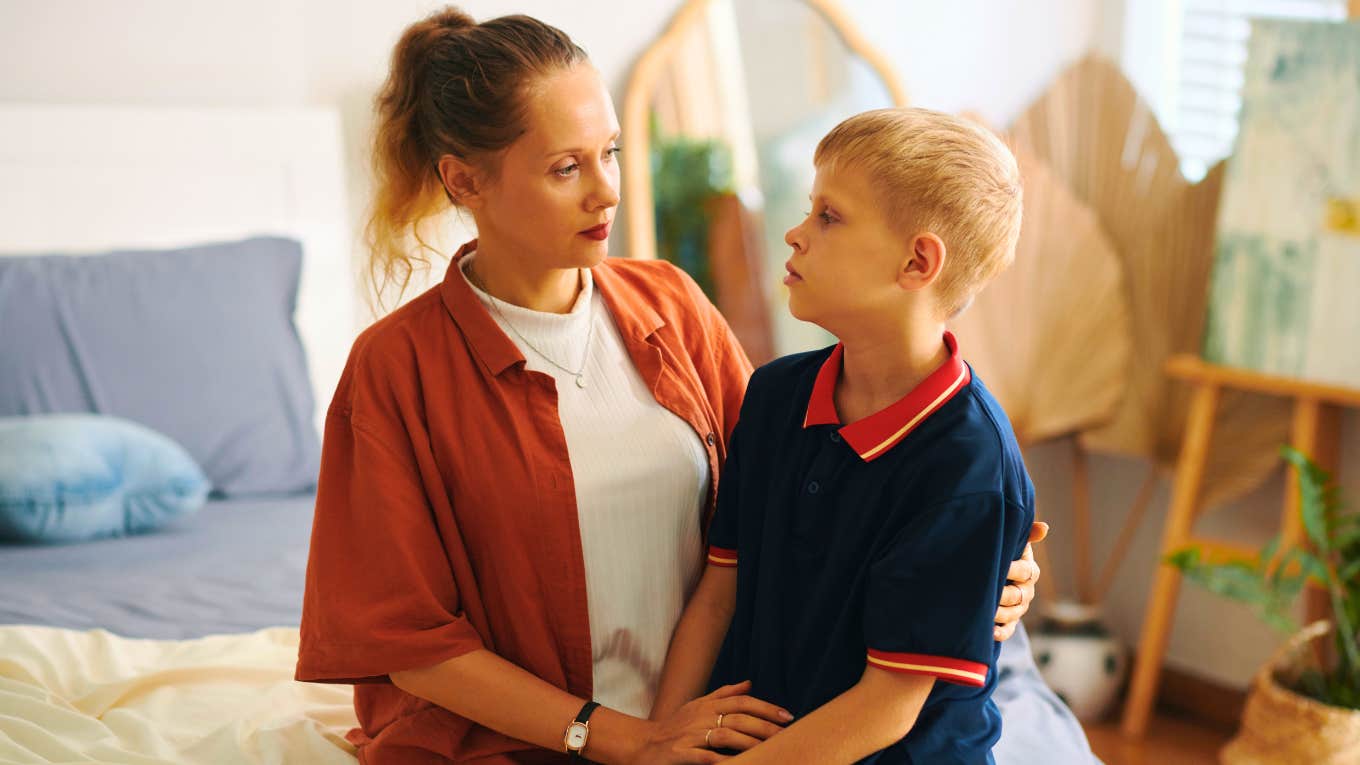
There’s no such thing as a perfect parent, but while they likely want to be peaceful with their children as much as possible, they still didn't hesitate to fight with their kids about non-negotiables. Good parents have no regrets about it, either.
Things truly good parents don't hesitate to fight about with their kids
1. Limiting screen time
 PeopleImages | Shutterstock
The average American checks their phone over 200 times a day. So, for young kids, it’s important for parents to teach them about regulating screen time and having hobbies outside the internet, as there are negative consequences for these impressionable minds.
Limiting screen time teaches kids the importance of boundaries and healthy habits that they take into adulthood. Children even have better cognitive and psychological outcomes when their parents read with them, rather than sticking them in front of a screen.
2. Making time for family check-ins
 fizkes | Shutterstock
Ensuring that other people feel heard and understood is important for both social connection and emotional well-being. But when parents don’t make an effort to help their kids express their emotions, they’re left unfulfilled and yearning for validation.
Although many children grow irritated with storytelling communication styles with their parents, a study from Social Work suggests that kids who learn open, honest communication styles from their parents are less likely to experience negative emotional well-being and mental health struggles.
By being willing to fight with their kids about scheduling family dinners and having required check-ins, good parents teach their kids how to be vulnerable without judgment and speak up about their needs.
3. Not arguing in an angry manner
 Prostock-studio | Shutterstock
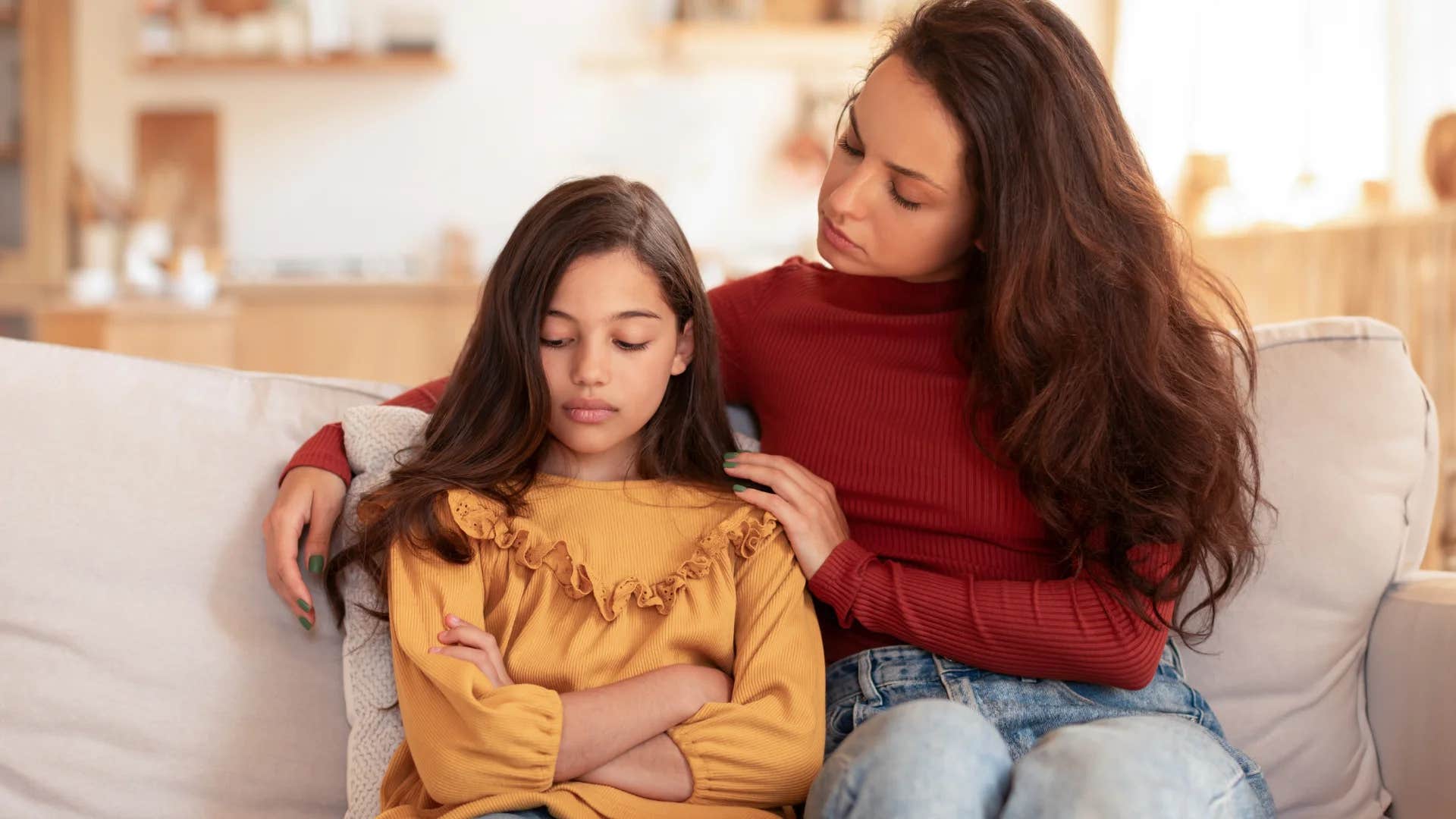
Teaching kids how to regulate their emotions and communicate starts early in life. Good parents remind them that their words are just as powerful when they’re speaking calmly as when they’re yelling or loud. They teach kids to treat people how you want to be treated, even if you don’t agree with them.
There’s a delicate balance many parents have to achieve in regard to emotional regulation, one where they’re allowed and celebrated in feeling and expressing big emotions, yet still learning to be emotionally intelligent enough to resolve conflicts in a calm way. And to drive the point home, excellent parents don't hesitate to condemn aggressive and unnecessary anger in conversations.
4. A balanced and nourishing diet
 YAKOBCHUK VIACHESLAV | Shutterstock
Parents play a role in creating their kids’ relationship with food. By arguing about maintaining a nutritional diet and instilling a healthy mindset around food, parents may be fighting a battle, but it has positive effects later in life.
From feeling a sense of empowerment nourishing their bodies to feeling comfortable having a treat, food is a powerful and important part of our lives. By making it a point to nourish this relationship early on, children don’t adopt shameful or guilt-ridden behaviors around their food intake.
5. Not immediately buying everything they ask for
 pikselstock | Shutterstock
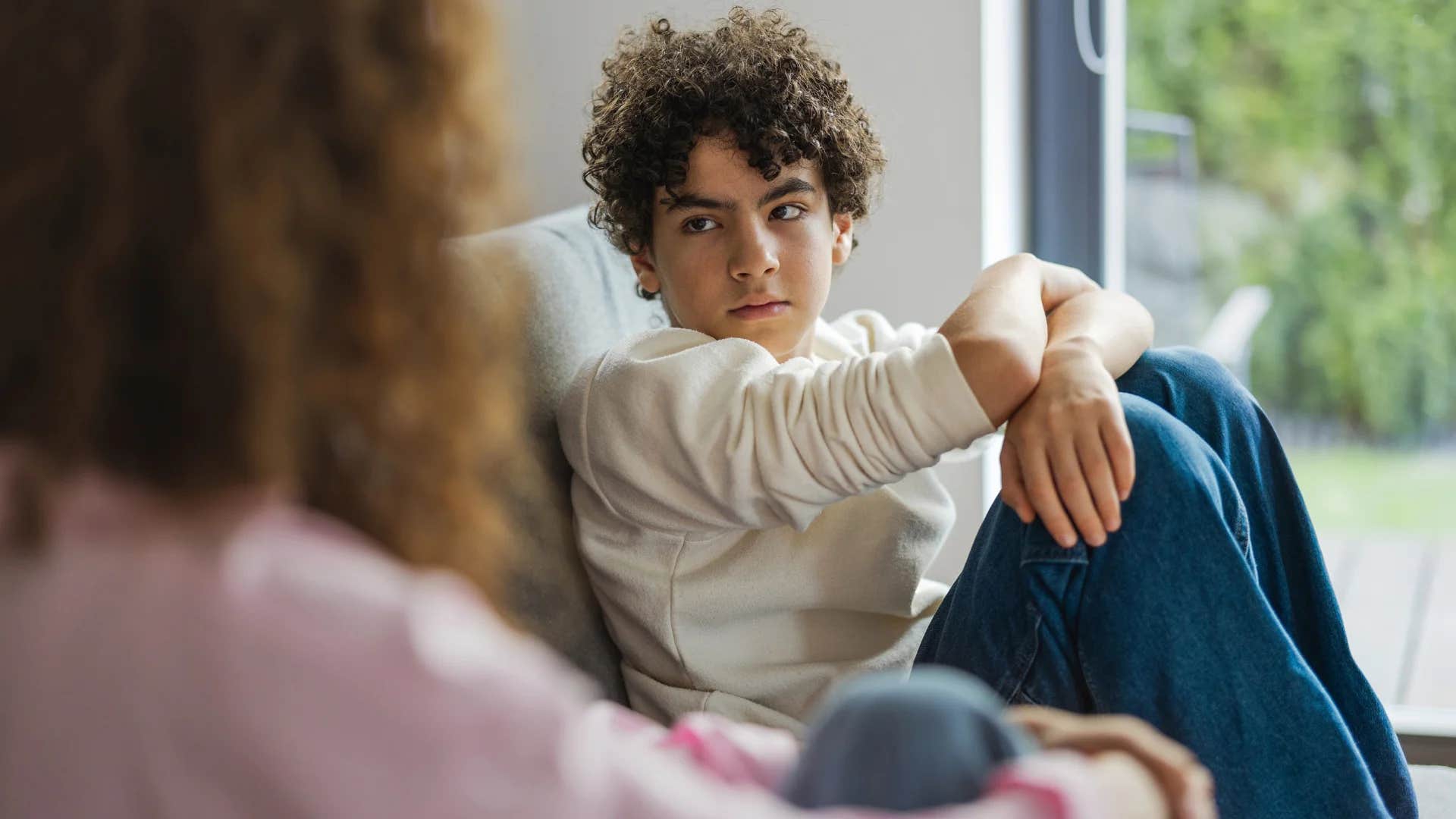
The way that parents feed into the development of instant gratification in their kids starts from a young age. If they’re immediately buying everything their kids want or trying to soothe uncomfortable emotions with a gift, they’re teaching their kids that material things are something they deserve for struggling.
According to psychiatrist Dr. Frederic Neuman, spoiled children often grow up with a sense of self-entitlement that sabotages their adult relationships and emotional well-being. But by teaching their kids the importance of delayed gratification and the reality of not getting everything they want, good parents are instilling a sense of thoughtfulness rather than entitlement.
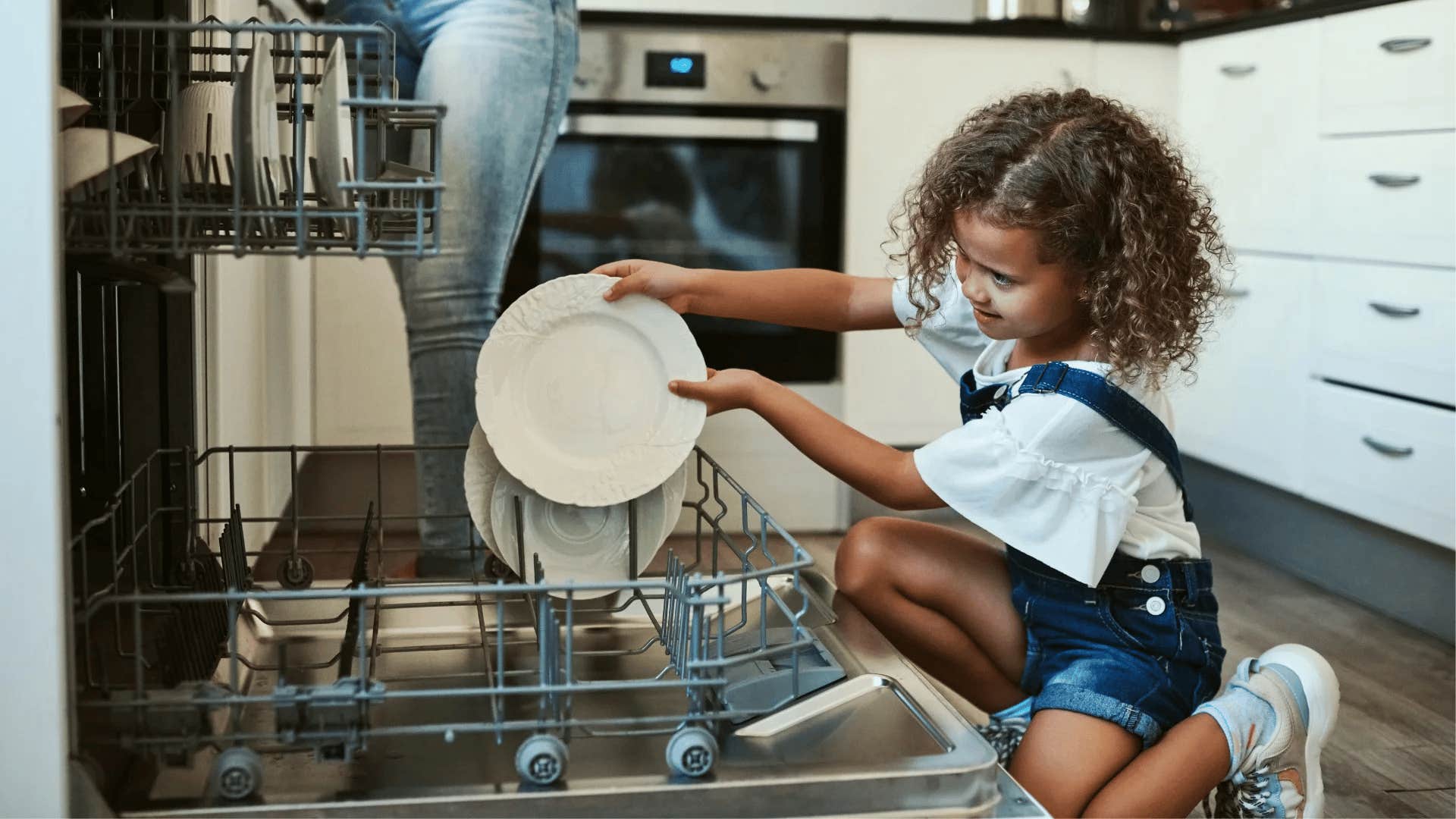
6. Pitching in on household chores
 PeopleImages | Shutterstock
Considering many adult relationships and family dynamics struggle later in life as a result of misaligned household labor responsibilities, as women tend to pick up the majority of these obligations, doing chores is something good parents won't hesitate to fight about with their children.
Outside of relationship responsibilities and balances, teaching kids the importance of doing chores instills a healthy routine in them. It follows them into adulthood, where they’re living on their own and taking care of themselves. They know how to do the chores they learned growing up, and have adopted a sense of pride over keeping their spaces clean.
7. Sticking to their commitments
 pixelheadphoto digitalskillet | Shutterstock
Being consistent and reliable are two of the most essential ways to build trust in a relationship, whether it’s with yourself or others. When you consistently have a healthy routine, you build trust with your mind and body. It reassures your inner critic that you’re willing to prioritize your well-being and listen to your needs.
In relationships, keeping promises and staying true to commitments is equally important, reminding people that they can securely count on you. Good parents make it a point to push their kids to keep their commitments, whether it's with sports and school, or friends and family. It reminds them that canceling last-minute or making excuses isn’t an option.
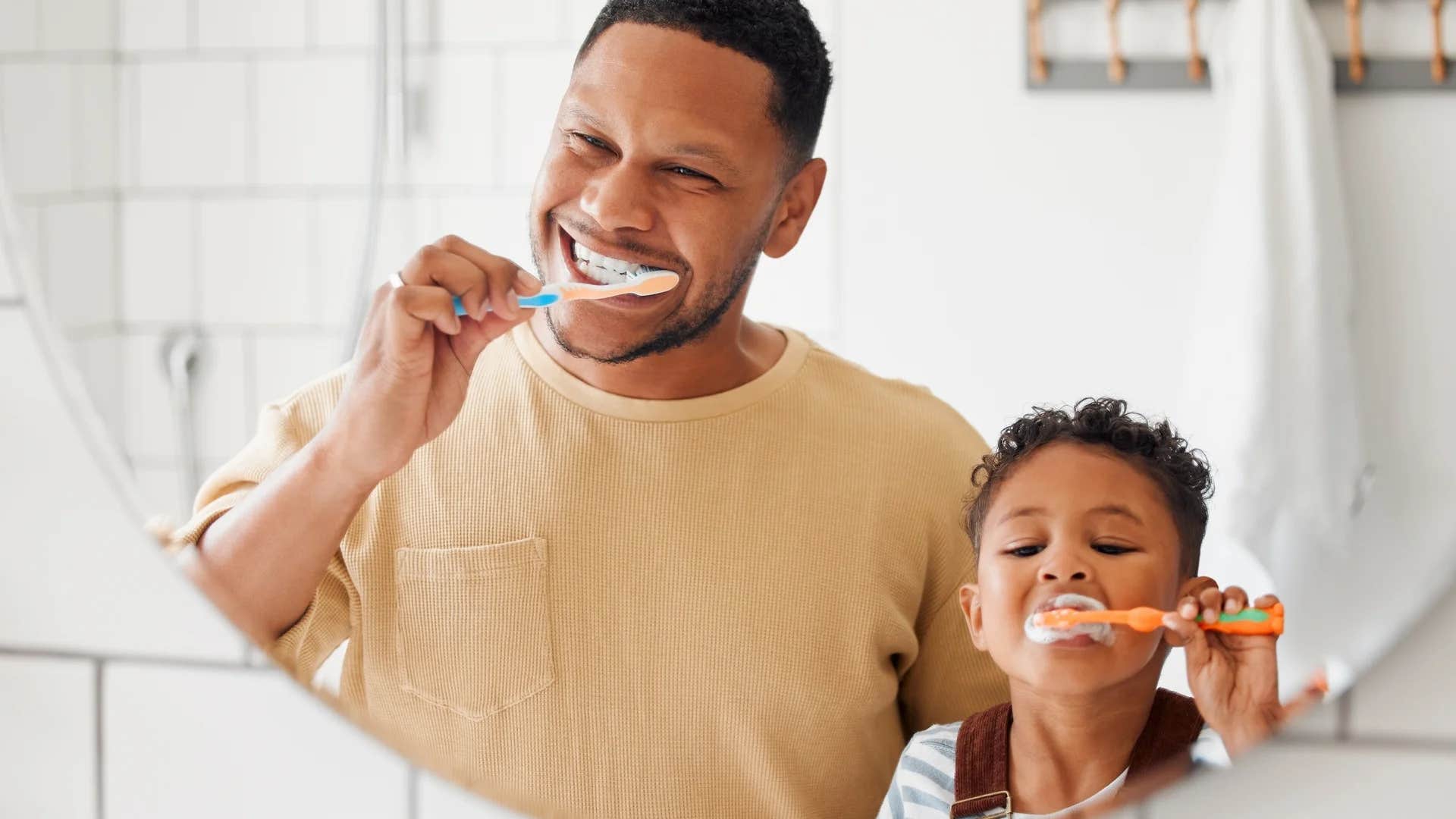
8. Crafting a consistent routine
 PeopleImages | Shutterstock
Parents who instill a sense of empowerment alongside healthy routines generally help their kids' emotional and physical well-being into adulthood. Consistent routines help to promote better psychological outcomes and can also be incredibly helpful for physical health.
Having a consistent routine to fall back on is a form of preventative medicine. When parents teach it to their kids, they're helping them look out for themselves. It's not easy, especially once they turn into adults doing it for the first time on their own, which is why good parents know it's worth it to fight about.
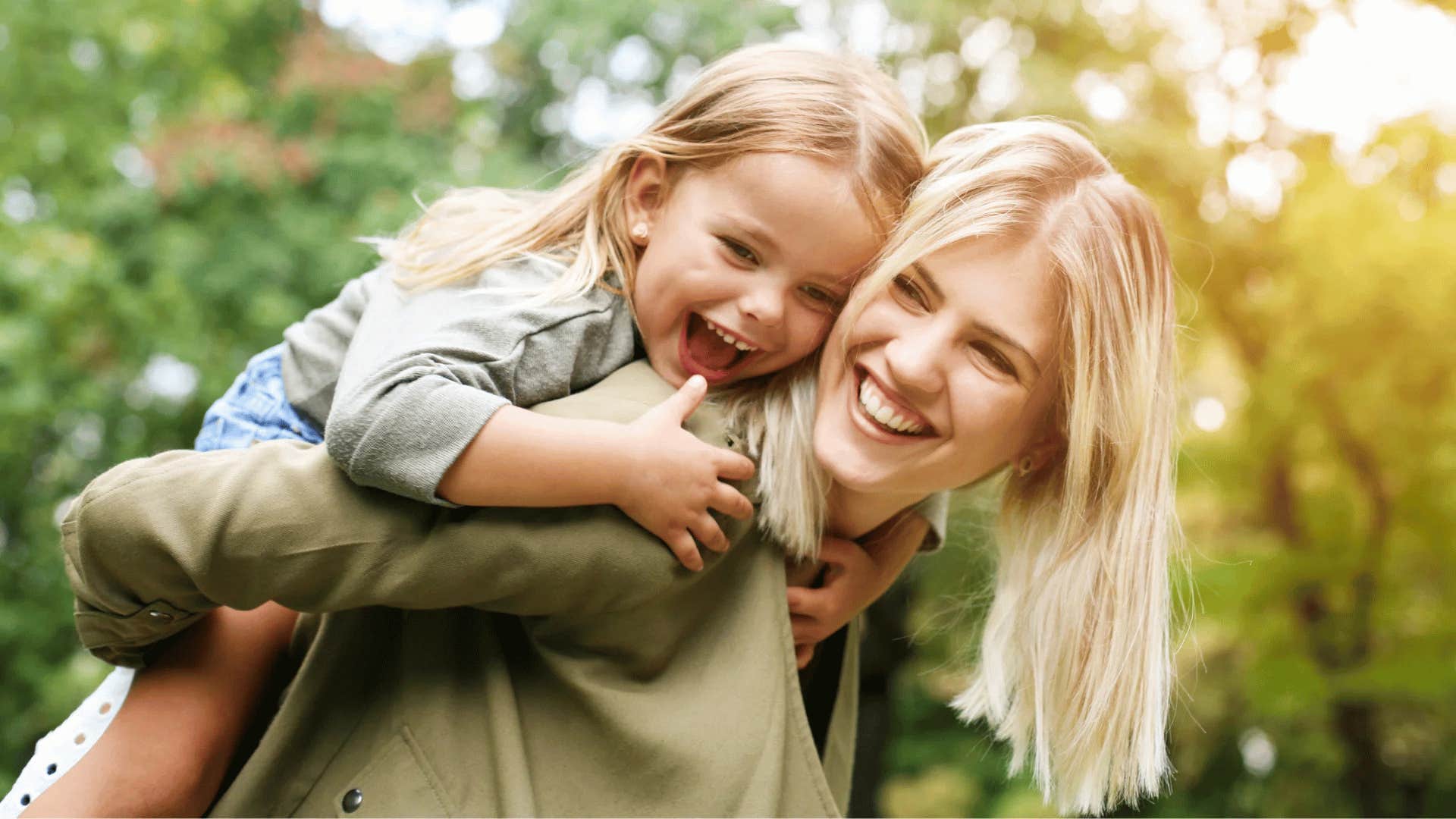
9. Being grateful for the small things in life
 Liderina | Shutterstock
Expressing gratitude and being grateful for the little things in life helps people live happier and more fulfilled lives. People who recognize small bonding moments and acts of kindness are also more willing to help others and combat their own stress or anxiety.
While it might be a battle for parents and their kids growing up, teaching them to be grateful is a gift that they take into adulthood. Rather than simply saying something like “be grateful,” good parents model their gratitude and teach their kids about perspective and empathy in thoughtful ways.
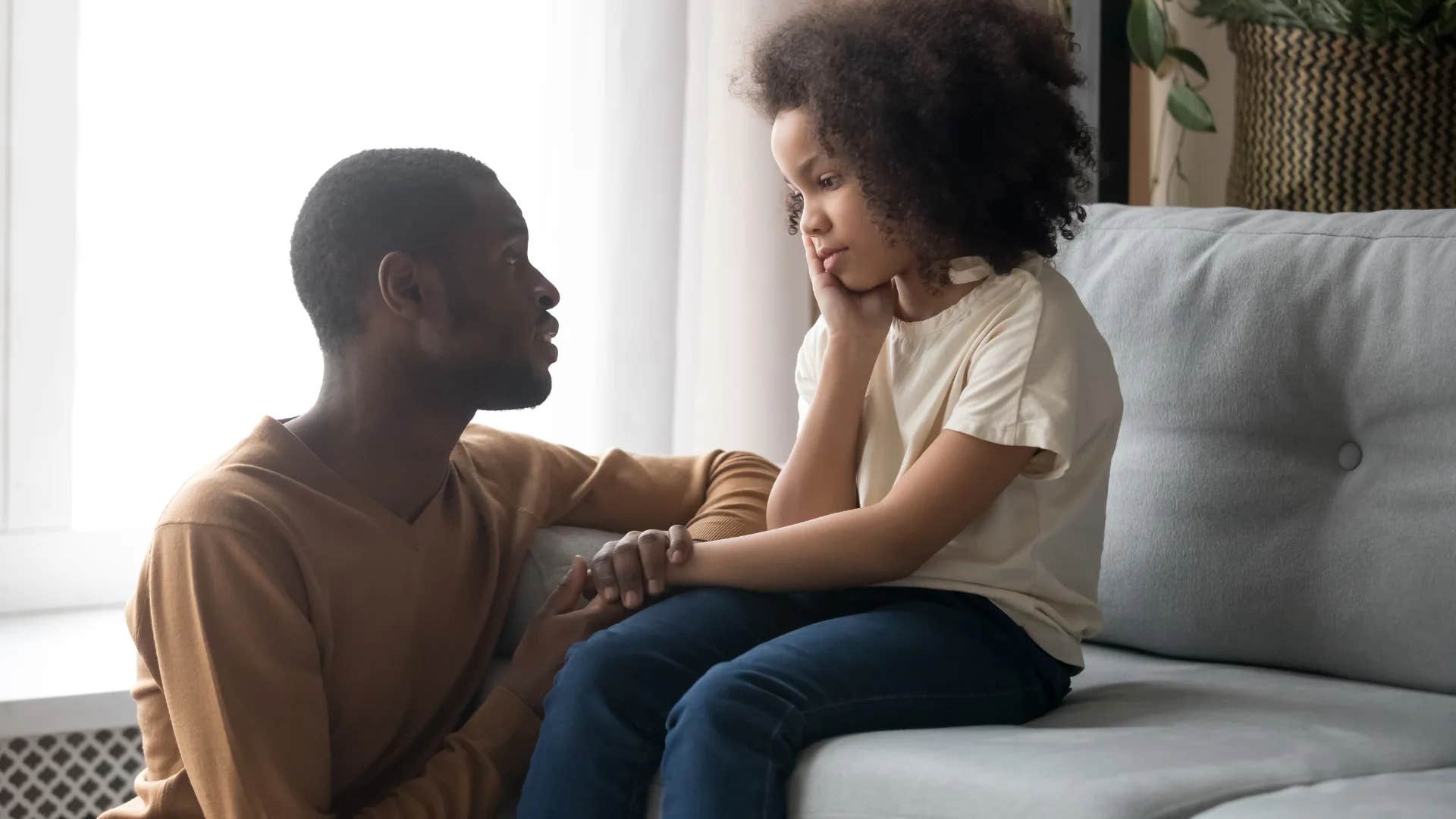
10. Learning to say and accept 'no'
 fizkes | Shutterstock
Learning to accept and appreciate “no” as a full sentience is a fundamental skill that helps kids thrive. Once they grow into adults, they set boundaries and advocate for themselves, and even form more thoughtful connections. Teaching this practice and belief is a two-way street, though, where parents have to be equally respectful of their kids' boundaries.
While discussions about these boundaries may be something kids don't quite enjoy, great parents have no qualms arguing about it. They teach their kids to stand up for themselves by saying “no” and encourage them to listen to their gut in stressful situations.
11. Taking accountability for mistakes
 fizkes | Shutterstock
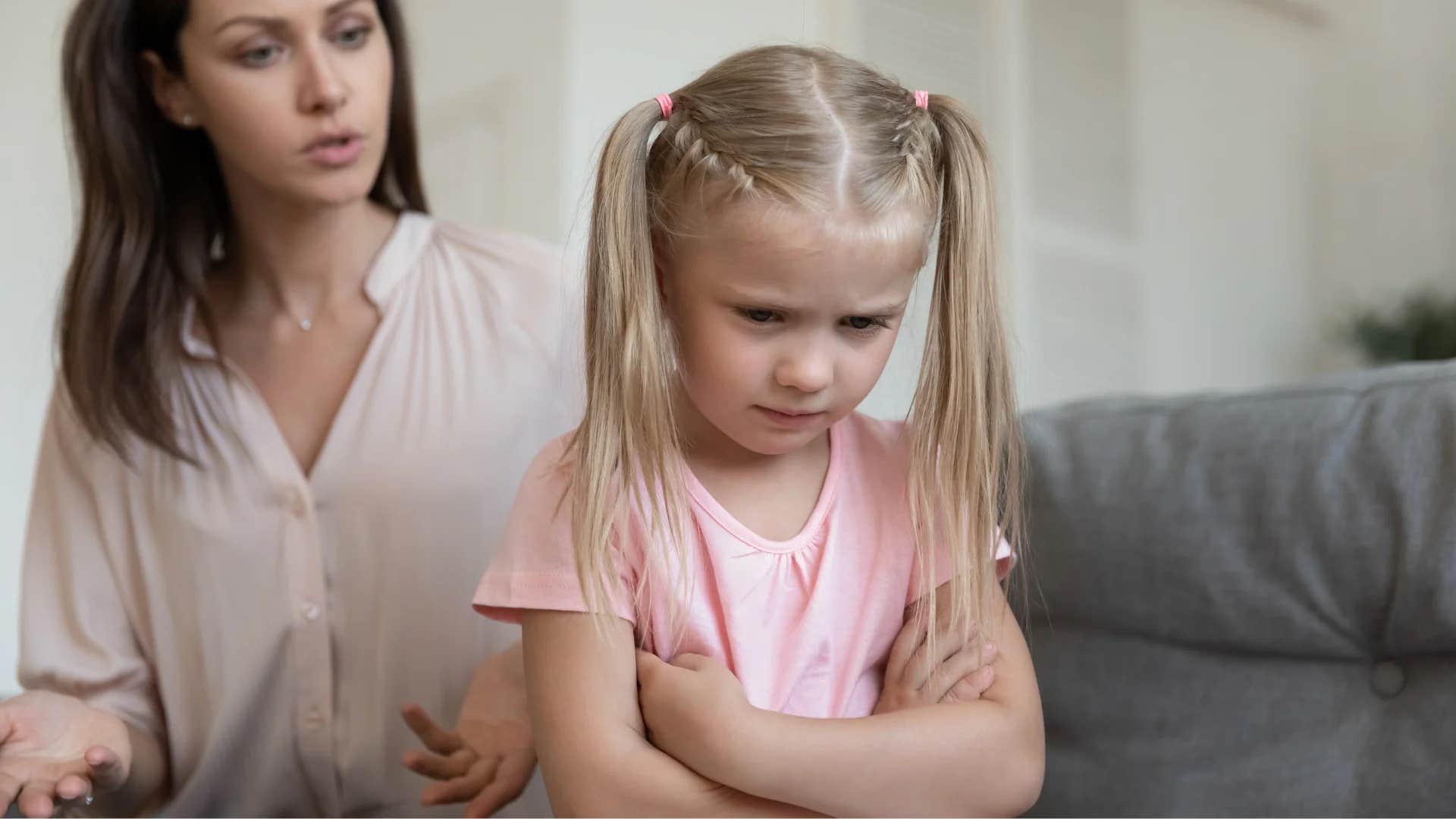
Being self-aware and thoughtful enough to take accountability for your mistakes is the key to happier and more trusting relationships, according to counselor Becky Lennox. When parents teach their kids about accountability, it’s a practice but also a mindset.
Good parents are willing to fight with their kids early in life to teach them that it’s not a weakness to own up to your mistakes. Instead, it helps them to feel more confident embracing challenges and letting themselves grow as people.
Zayda Slabbekoorn is a senior editorial strategist with a bachelor's degree in social relations & policy and gender studies who focuses on psychology, relationships, self-help, and human interest stories.

