
Kids Who Experience 6 Things During Their Childhood Usually Become People-Pleasers As Adults
 Aksinia Prokhorova / Shutterstock
When kids grow up being taught that their needs come second, they start putting the happiness of everyone else before their own.
Kids learn through experience, and if those experiences continually reward them for catering to others, they never learn how to truly take care of themselves. This morphs into people-pleasing because these kids grow into adults who worry too much about disappointing others.
Childhood experiences that make kids become people-pleasing adults:
1. Their parents were rarely satisfied
 pics five | Shutterstock
Kids who grow up feeling like nothing they do is good enough start believing they need to earn approval. They were left constantly chasing praise because their parents only focused on criticism.
This can easily evolve into people-pleasing tendencies. They may feel guilty when someone is upset with them and be left focusing on what they need to do to make them happy.
2. They were expected to be the easy child
Some children realize that being quiet and agreeable is the only way to keep the peace. They may avoid asking for things or take on more than they should because they don't want to make life harder for anyone else.
Later on, they can struggle to express their needs without feeling guilty. Keeping everyone comfortable is more natural than just asking for what they want. They never want to be too much for someone.
3. They were criticized for expressing their feelings
Kids who are criticized or punished for having feelings start to think their emotions are the problem. They have to hide their reactions so they don't risk upsetting someone else.
This can make them overly concerned with how others feel while simultaneously ignoring themselves. Staying composed almost always gets them a better response, and that habit is hard to break.
4. They had to manage others' emotions
 Motortion Films | Shutterstock
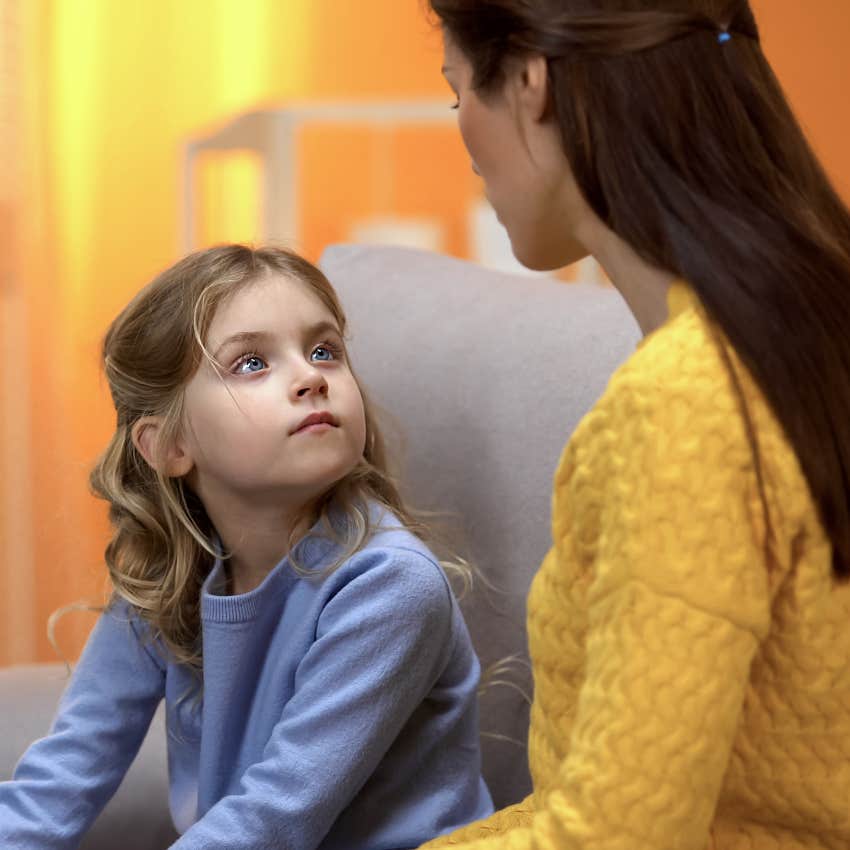
Some children become unusually tuned in to the emotional atmosphere around them. They notice when someone's mood has changed or when tension is building between family members. They feel responsible for playing referee instead of just being a kid.
That habit can subtly appear when they become adults. They unintentionally monitor people's moods and take responsibility for problems that aren't theirs just to avoid conflict. Making others feel okay can become such a priority that their own comfort barely gets a say.
5. They only received affection for being good
When kids are taught that warmth or praise comes more easily when they follow rules and make adults proud, they connect being lovable with being well-behaved.
Usually, they end up relating to people differently later in life. Instead of trusting that they are valued just as they are, they may try to keep earning their place in their loved ones' lives.
6. They walked on eggshells in fear of conflict
When unpredictable emotions were normal growing up, children might become experts at spotting issues before they escalate. They walked on eggshells hoping it would help keep everyone relaxed.
Years down the road, they carry that same instinct into their relationships. Disagreements feel much bigger than they actually are, making them more eager to apologize or give in to restore a sense of calm. Peace becomes something they have to work hard to maintain.
Kayla Asbach is a writer with a bachelor's degree from the University of Central Florida. She covers relationships, psychology, self-help, pop culture, and human interest topics.

