
People Tired Of Carrying The Mental Load Of An Entire Household Usually Say 8 Phrases In Casual Conversation
 StoryTime Studio / Shutterstock
Some households are run like a business where one person controls the daily operations while also carrying the emotional and mental load for everyone. In many circumstances, one person's pressured to fill that role because everyone else in their home relies on them.
This is a form of emotional labor, and the exhausting effort often leaves them overwhelmed and without time for themselves. This heavy responsibility can be especially difficult for women expected to take on everyone’s responsibilities. The more exhausted they get, the more likely they are to make remarks about the situation as they struggle with the lack of energy to dedicate to themselves.
If someone is tired of carrying their entire household's mental load, they tend to say these things in casual conversations
1. ‘I’m exhausted’
 dimaberlinphotos via Canva
It’s exhausting to be the person that everyone relies on. There is pressure to be the rock, the one who takes care of everything, good or bad. While most of us want to take care of the people we love, they can’t be expected to do it all. No one can pour from an empty cup, and sometimes the household caretaker needs to put themselves first. To do so, they need to set boundaries.
While it sounds easy on paper, saying no to your loved ones is far from easy. Instead, they push themselves to the limits, leaving them overwhelmed and drained. By the end of the day, they’ve reached their capacity. It can be hard for them to rest when they know they have to do it all again tomorrow.
2. ‘I never have time for myself’
The term self-care has become trendy. The idea that people need extravagant routines or hours at the spa is rarely the case. Sometimes, self-care is as easy as putting the kids to sleep and watching a favorite TV show. Not everyone has the opportunity to take quiet moments for themselves, especially if they’re carrying the load of their household. They’ll often say they need to relax, but they rarely have the time.
When someone is running the household, they can feel like they lack independence. Instead, they’re the only person keeping everyone else afloat. Taking time for themselves to rest and recharge benefits everyone. We’ve all heard the saying that you can’t take care of everyone else if you’re not taking care of yourself, and we've all heard it because it's true.
3. ‘I can’t keep track of everything’
The person taking on the emotional load for the entire family is often the one juggling everyone’s feelings and schedules. One person may be upset about a breakup, while the other relies on them to make their appointments. When they’re doing everything for everyone else, they lose themselves in the process. By carrying the weight of everyone else, they struggle to keep up.
If you are a mother, you likely relate to this. Research has found that 71% of women carry the majority of the household’s mental load. By juggling it all, they may feel like they can’t keep everything straight. They hope their family will help out, but sadly, they are often left picking up all of the pieces.
4. ‘You have to learn for yourself’
 SolStock from Getty Images via Canva
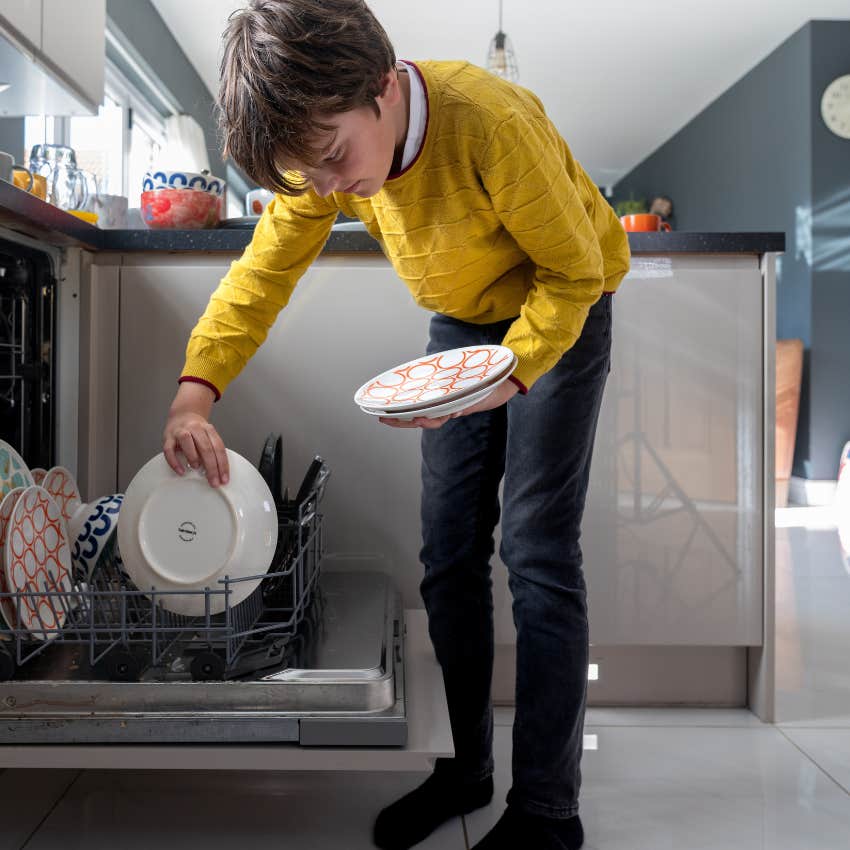
This person will do what they can for everyone else, but eventually they need to learn to do it themselves. This could be the daily household tasks or working through their emotions without guidance. It isn’t easy to let go and let someone else do it, but at a certain point, it’s the best option for everyone. They realize they can’t bear everyone’s responsibilities forever.
By taking personal responsibility, people become the authors of their own lives. When one person leads the pack and does all the mental and emotional labor, they take on too much. They become drained, stressed, and unable to do anything for themselves. They need to encourage their loved ones to take control of their own lives.
5. ‘Can you do it without being asked?’
Learned helplessness is becoming more common. People with this issue rely on everyone else to handle their problems and blame their shortcomings on their inability to do things properly. Instead, they pretend like they can’t do anything for themselves. Sometimes, it’s as small as not picking up after themselves at home. This causes other people to take care of them when they barely have time for themselves.
Someone like this often prefers to do the bare minimum. They rarely go out of their way to take care of the little things. By having someone else do everything for them, they lose the ability to build skills on their own. This leaves the person carrying the household on their back wishing they’d do something without being asked.
6. ‘Just tell me what you need me to do’
How often have you done something you didn’t want to do because it was easier than explaining it to someone else? This is an exhausting position to be in. Instead of relying on other people to carry their own weight, they take control. They may feel that the only person they can trust is themselves. They put themselves in compromising positions, carrying the mental and emotional load.
Through constantly taking on tasks for others, someone may start to struggle with trust. They may have been let down as kids and have felt the need to be there for everyone to make sure things get done. They worry that without this support, the other person may crumble under the pressure, and they want to prevent that.
7. ‘If I don’t do it, who will?’
 Prostock-studio via Canva
At some point, we’ve all been in the position where we did everything because we couldn’t rely on anyone else. This can be especially true in a household where only one person carries the weight. Instead of asking someone else to take care of it, they’ll do it themselves to make sure it gets done. This creates a cycle where that person is putting everyone but themselves first. It’s not easy to let their guard down and allow others to help, but we all need to.
This can be another sign of trust issues. This isn’t to say they don’t trust their family members, but they can’t count on them. They don’t think they can rely on the people in their lives to pick up the pieces. They truly believe that if they don’t do it, no one else in their household will.
8. ‘I’m tired of carrying the responsibilities’
When someone is too invested in other people, they often lose the ability to manage their needs. They do too much for others by taking on their responsibilities and letting their own fall by the wayside. This becomes difficult for everyone involved. Not only do they neglect their own needs to help someone else, but the other person learns helplessness and relies on everyone else but themselves.
Living like this forever is unrealistic. Eventually, they will most likely get tired of the one carrying everyone’s emotional and mental baggage. They may bring it up in conversation, hoping their loved ones will step up and do things for themselves.
Haley Van Horn is a freelance writer with a master’s degree in Humanities living in Los Angeles. Her focus includes entertainment and lifestyle stories.

