
Kids Raised By Emotionally Avoidant Parents Usually Carry 6 Habits Into Adulthood
 Peopleimages.com - YuriArcurs via Canva
Parents who are emotionally avoidant teach their children that emotional expression is unsafe.
For children growing up in this environment, the lack of praise and dismissal of feelings can lead to unhealthy habits in adulthood. In fact, this problematic parenting can have quite a negative effect on kids in the long run.
When kids grow up with emotionally avoidant parents, they develop these habits as adults
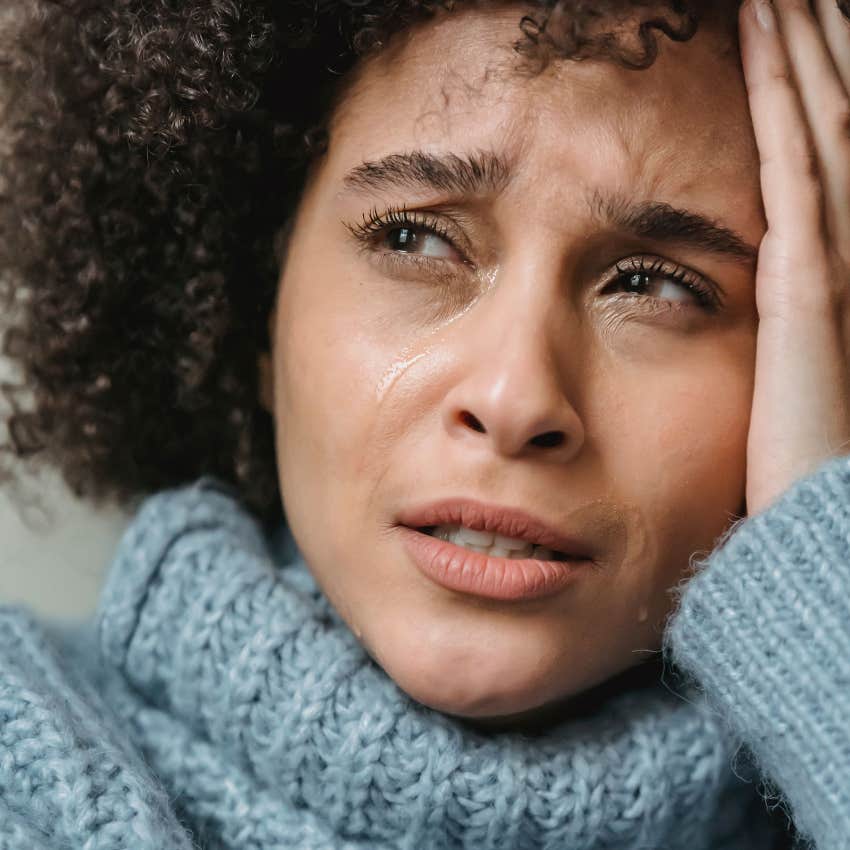
1. They only let themselves cry privately
 Liza Summer | Pexels
When kids are raised by parents who turn away from their emotions, they quickly find that their wants and needs don't matter. Without a supportive caregiver, they feel like they're a burden.
As adults, during really tough moments, even if they want to cry, they won't allow themselves to do so around others. This sort of hyper-independence also means they have trouble asking for help and are frequently untrusting of others.
2. They hide their true emotions
If you spent your childhood around parents who didn't seem to care about anyone but themselves, you couldn't express your emotions without backlash or criticism. Now, as an adult, when someone asks how you are, you respond with "I'm okay" or "fine."
You don't want to say how you feel because that would mean being vulnerable. And because you were raised around people who avoided emotions, you learned that expressing your feelings was unsafe.
As licensed psychotherapist Sharon Martin explained, "You may have learned in childhood that you shouldn't need anything... you may have been punished when you asked for something or your needs may have been ignored. When this happens repeatedly, we learn that we shouldn't ask for anything because no one cares about our needs and they won't be met."
3. They push people away
Having not been given the emotional care and love they needed in childhood, some people end up developing complicated attachment styles. They crave the affection and closeness they never received from their parents, but they're also afraid of being disappointed and rejected.
This creates an internal struggle between becoming overly attached to someone or completely detached. This type of relationship can cause them to switch between intense affection and emotional distance, and neither are healthy.
4. They emotionally support others
While adults who grew up with emotionally avoidant parents might conceal their emotions and reject support, they do tend to offer it to others in need. They know how to comfort others because they know what it's like to never receive it themselves.
In a way, by supporting others, they're filling a void. They're healing from the lack of emotional support their parents gave them.
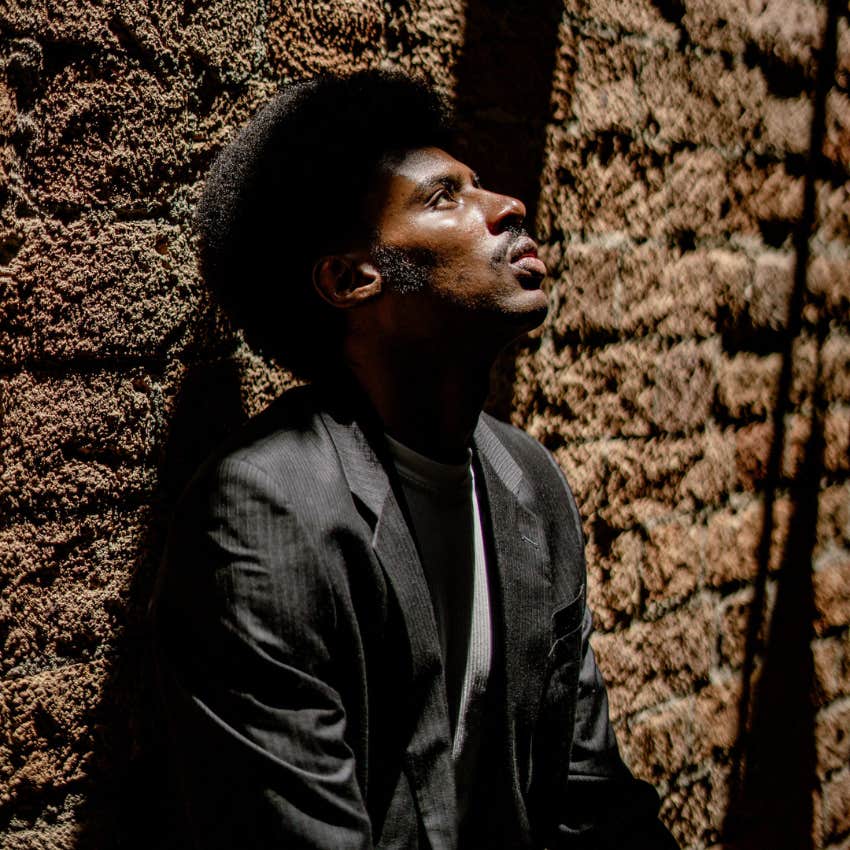
5. They internalize criticism
 Nico Rueda | Pexels
When a parent tells a child to do something, kids can internalize that as something negative, even if they aren't being scolded. Maybe you were yelled at a lot as a child, so now, you try your best to avoid confrontation.
But when someone comes to you with feedback, it's impossible not to take it personally. Even something as simple as asking you to do a chore can come off as critical, and it causes a lot of emotional stress on the inside.
"We internalized the treatment that we received from those who had power and influence over us and learned to self-relate in the same manner. So, an inner critic is the combination of negative, destructive, hurtful, rude, manipulative, abusive, untrue messages we received in the past," mental health coach Darius Cikanavicius said.
6. They often feel empty inside
Even when they've accomplished something difficult, a person who grew up in an emotionally avoidant household feels ashamed. Rather than celebrating happy moments, they downplay their own triumphs.
They never got to properly celebrate their achievements as a child, so praising themselves feels unnatural and even unsafe. Because they were never encouraged to express themselves, they often feel emptiness instead of joy, and letting themselves be happy just feels wrong.
Allison Peterson is a writer with a degree in English from the University of Nevada, Reno. She writes on relationships, lifestyle, and mental health topics.

