
People Raised In The 60s, 70s & 80s Are Usually Ashamed Of 9 Things Younger Generations Think Are Just Fine
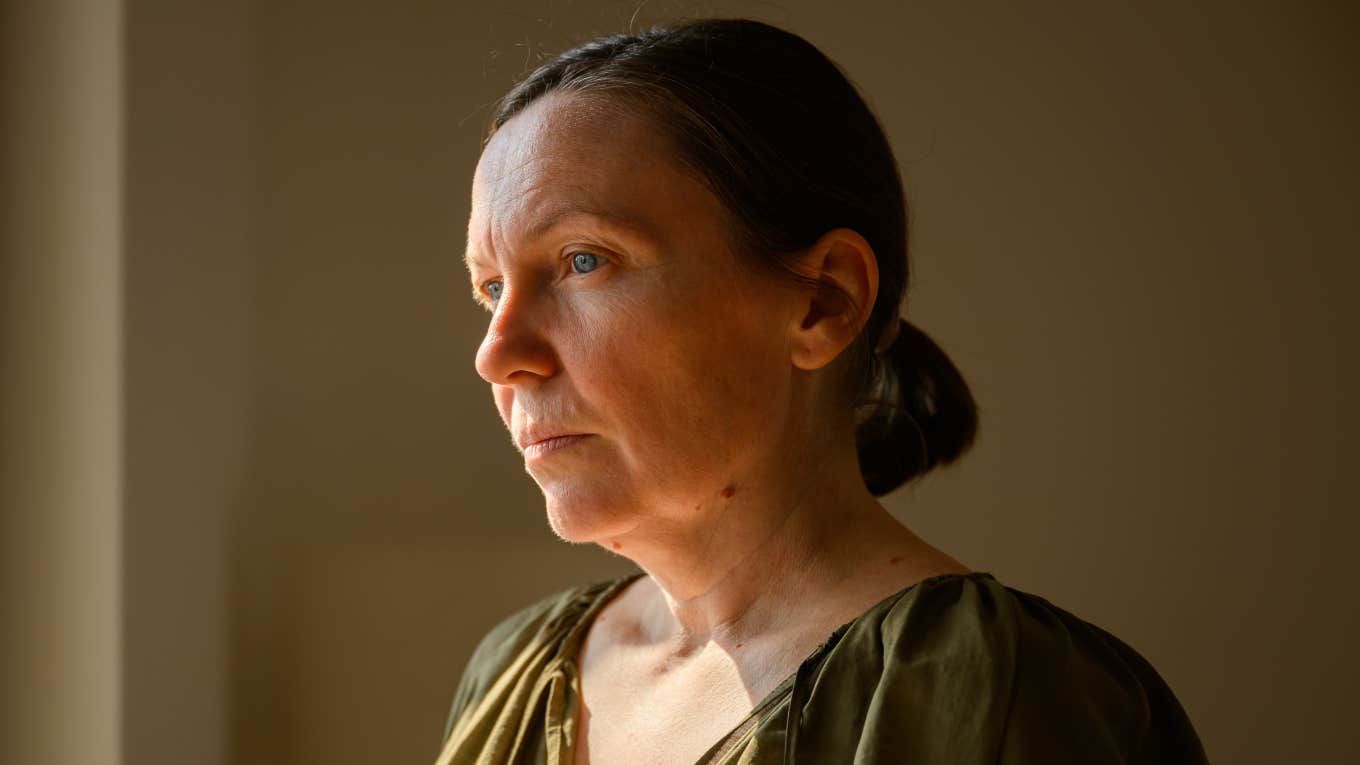 Bits And Splits / Shutterstock
For folks raised in the 60s, 70s, and 80s, many social rules were shaped by a culture that placed a high value on hiding personal struggles. And while nostalgia for an analog world is strong, there's plenty that people who grew up then still can't face.
Younger generations have been challenging these outdated notions. Things that once carried a sense of shame are now usually seen as healthy or simply another part of life. While not everyone in older generations feels the same way, many still hold beliefs deeply ingrained in their upbringing, even as the world continues to evolve.
People raised in the 1960s, 1970s, and 1980s are still ashamed of these things that younger generations don't see a problem with:
1. Asking for help when they're struggling
 New Africa | Shutterstock
For many people growing up in the '60s, '70s, and '80s, asking for help was only seen as something you did when you had absolutely no other choice. The expectation was that capable adults could figure it out on their own. Being independent was how people measured their self-worth.
Younger generations see things a little differently. They're much more likely to ask others for help, especially when it comes to mental health. It's just a practical way to solve problems and avoid burning out.
2. Living with parents as an adult
Moving out was a defining moment of adulthood for people raised in the 40-plus age group. Still living in your parents' house after your early twenties could be a sign that you weren't financially responsible enough to stand on your own yet. True independence meant having your own place, regardless of how much it stretched your budget.
That idea has changed thanks to the economy. Housing prices and the overall cost of living have skyrocketed, and moving out isn't always a realistic or smart financial decision. Living with family is a better arrangement to pay off debt or save up. It used to carry a sense of shame, but now it's a key step for many in achieving long-term goals.
3. Talking openly about mental health
Back in the day, emotional struggles were something to keep private. Depression and overwhelming stress were brushed off as a weakness or character flaw. Talking about mental health wasn't common because people were worried about coming off as weak or unreliable.
These conversations have been normalized to an extreme by younger generations. However, many older adults still find it hard to be brave and open up about their struggles. Breaking old habits takes time.
4. Changing careers later in life
 PeopleImages | Shutterstock
Sticking with one career or company for decades is a point of pride for people raised in the '60s, '70s, and '80s. Loyalty to an employer was typically rewarded, and changing jobs could make someone appear irresponsible.
Younger generations see career changes as incredibly normal, and even encouraged. Sometimes, jobs no longer fit, or they want to try their hand at learning new professional skills. They chase what makes them happiest and helps them grow as individuals.
5. Not wanting to get married or have children
For people born in the 1900s, traditional milestones included getting married and starting a family. People who stayed single or decided not to have kids were told they were missing out on an important part of life.
The definition of a fulfilling life can look very different now, according to younger generations. Marriage and parenthood are personal choices rather than life goals that everyone shares.
6. Setting boundaries with family members
Families in the '60s, '70s, and '80s set the unspoken expectation that you put up with difficult behavior simply because you were related. Respecting your parents and keeping the peace were usually considered more important than protecting your own well-being.
Healthy boundaries are far more acceptable in families today. They're more likely to build relationships on mutual respect, and it's okay to distance yourself from people who constantly ignore or violate your limits. Older adults might still wrestle with a bit of guilt for going against their instincts to put others before themselves.
7. Admitting they don't know something
 Geber86 | Shutterstock
Most people over 40 usually prefer to appear capable and informed, especially at work. Anything less was something to be ashamed of.
This doesn't bother younger generations nearly as much. They're quick to ask questions or admit they're still learning. Information changes constantly, so it's unrealistic to expect them to keep up all the time. Curiosity is a sign of confidence and willingness to grow. For older generations, though, the desire to have all the answers never fully goes away.
8. Prioritizing work-life balance
Hustle culture was born in the '60s, '70s, and '80s. Putting your job ahead of everything else meant that you were dedicated and hardworking. Wanting less stress or more personal time was mistaken for laziness, but remember this was also a time before smartphones made it easier to take work home after quitting time.
Younger generations place a strong emphasis on maintaining a reasonable work-life balance. A lot of that is a result of technology and the need for strong boundaries between work and home. They think a successful career shouldn't come at the cost of your happiness. Older adults still think balance is important, but they often feel lingering shame when they take time off or slow down.
9. Not caring what others think
For older generations, you had to fit in and make choices that would be viewed positively by the outside world. There was a consistent pressure to avoid standing out too much.
Individuality and authenticity are two major values for younger adults today. They spend their time building lives that feel right to them, no matter what anyone else thinks. Approval from others is no longer the ultimate measure of happiness and success. Folks raised in earlier generations, though, may have a hard time letting go of the need to be liked or understood.
Kayla Asbach is a writer with a bachelor's degree from the University of Central Florida. She covers relationships, psychology, self-help, pop culture, and human interest topics.

