
People Who Are Actually From The South Usually Understand 11 Bizarrely Southern Phrases Instantly
 Dmytro Sheremeta | Shutterstock
People who grew up in the South know that some Southern phrases make absolutely no sense to anyone who isn't from there. We've all heard the phrase "bless your heart," usually as a way to either offer sympathy or be subtly condescending. But aside from that well-known saying, there are plenty of other bizarre sayings that leave people from other parts of the country scratching their heads.
While Southerners have gotten a bad rap thanks to some pretty awful stereotypes, most people would be surprised by just how clever Southern expressions can be. For people who move there, it can take some time to pick up the local lingo and understand what everyone is actually saying. To make things more complicated, not every Southern state or town uses the same expressions, and some sayings are more common among older generations, but there are certain things people born and raised in the South understand almost instantly, even when everyone else has absolutely no idea what they're talking about.
People born and raised in the South understand these 11 bizarre Southern phrases instantly:
1. 'Them kids are raising Cain'
 New Africa | Shutterstock
If you grew up in the South, there's a good chance you heard this phrase more than once. From their mom shaking her head in disapproval to their grandma rolling her eyes, this phrase was used to show their dissatisfaction with their children's behavior.
It wasn't enough to say, "These kids are being bad." In typical Southern fashion, people said, "Them kids are raising Cain" as another way of saying, "Those kids are causing a lot of trouble and being disruptive." If someone were to utter this phrase to anyone not from the South, they might be met with raised eyebrows.
The phrase also has a biblical connection. According to the Basilica of the National Shrine of the Immaculate Conception, Cain was the firstborn son of Adam and Eve who killed his brother Abel out of jealousy. His reputation as a troublemaker helps explain why Southerners use his name to describe someone who's causing problems.
In good Southern fashion, using Cain to say "These kids aren't being good" is just one of the many clever Southern sayings that can leave outsiders confused.
2. 'We're in the short rows now'
 PeopleImages.com - Yuri A | Shutterstock
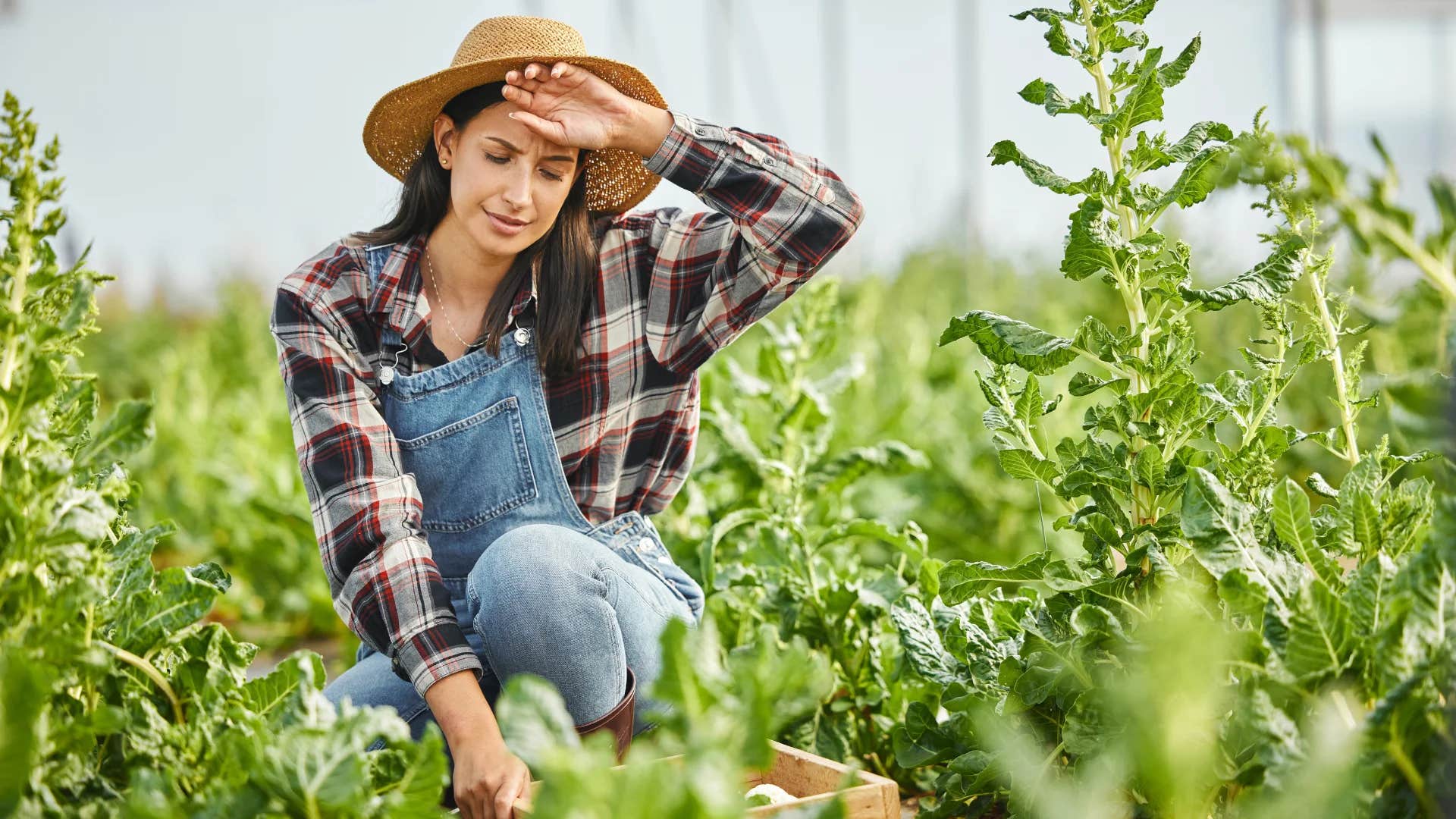
Everyone knows what it's like to be ready for something to be over. Maybe their mom dragged them to the supermarket, and they're so close to checking out. Or maybe they had to do yard work, and after hours of sweating under the sun, they are nearly there. If someone is from the South, it would only be right to say, "We're in the short rows now." And if they were born on a farm, this phrase is common knowledge.
Growing up tending crops, most people know there were long rows that stretched for what felt like eternity. On those particularly hot summer days, all people wanted to do was go inside.
The saying comes from farming, where finishing the shorter rows can mean the hardest part of the work is already behind you. Over time, it became a way of saying you're almost finished with something.
The saying even inspired Joe Mullins and the Radio Ramblers to release a song called "In The Short Rows Now." If someone truly grew up in the South, especially on a farm, they know exactly what this saying means, unlike the rest of America.
3. 'Stop hee-hawing around'
 Motortion Films | Shutterstock
Children, teens, and even adults can become a little mischievous at times. Whether they're skipping homework to play outside or pulling harmless pranks instead of getting things done, some people will find just about any excuse to mess around.
During these moments, most people will roll their eyes and yell at others to stop messing around and get to it. But for Southerners, they say, "Stop hee-hawing around." If someone were to say this in New Jersey, they'd most certainly get a side-eye.
For people from the South, they probably heard this a lot growing up or even as adults. Whether it means to stop fooling around and wasting time, or to stop being indecisive and make up your mind, this phrase is a call to action.
The phrase brings to mind the sound of a donkey braying, which makes it a pretty funny way to tell someone to stop fooling around and get something done. In essence, similar to a donkey, people are making a lot of noise, but there's no purpose to it.
4. 'That dog won't hunt'
 fizkes | Shutterstock
We've all heard someone suggest an idea that clearly won't work. Of course, not every idea is going to be a good one. Still, just because it's normal doesn't mean Southern people won't call it out.
"That dog won't hunt" is a simple phrase, but in typical Southern fashion, it's a clever way of expressing themselves. According to The Facts on File Dictionary of Clichés by Christine Ammer, "that dog won't hunt" is another way to say "that plan won't work." Ammer said that this phrase stems from the fact that dogs were used to hunt raccoons and other wild animals, but it wasn't really popularized until the late 1800s.
Ammer added that this phrase originates in the South, where people, even to this day, use it when giving a side-eye to their cousin or a reckless co-worker. Now, could Southern people be more upfront? Sure, but where's the fun in that?
5. 'You're gettin' too big for your britches'
 AstroStar | Shutterstock
In some Southern families, kids grow up hearing that they better "act right" and watch how they behave around other people. When someone starts acting arrogant or thinking they're better than everyone else, they're likely to hear that they've gotten too big for their britches.
With only a few thousand people living in their town, word got around fast. This means that if someone made a bad first impression because they were rude or overly cocky, their image was destroyed before it even began. So, one of the phrases people from the South say that makes no sense to the rest of the country was born: "You're too big for your own britches."
Said to have been coined by Davy Crockett, this old-fashioned phrase is a way to tell someone they're acting arrogant or thinking a little too highly of themselves.
"Britches" is an old-fashioned word for pants, so telling someone they're getting too big for theirs is a way of saying their ego has gotten out of control. For kids who grew up hearing this from their parents, it was often a reminder to watch their attitude and how they treated others. After all, according to a study published in Social Cognition, a bad first impression can be difficult to reverse.
6. 'They're madder than a wet hen'
 Aloha Hawaii | Shutterstock
If there's one thing about Southern people, it's that they love a colorful expression. When someone is especially angry or upset, they might say that person is "madder than a wet hen."
Understandably, this wouldn't make much sense if someone wasn't born in the South. Originating in the early 1820s, this phrase was recorded in a book by Joseph Doddridge; it's believed to have come from the Appalachian farming communities. According to Southern writer Katie Shands, "Hens often go through a broody phase when they'll do anything to incubate their eggs, including pecking and attacking the poor person who tries to collect said eggs."
The saying compares an angry person to an irritated hen, making it a colorful way to describe someone who's especially upset.
7. 'Don't tump it over'
 Pixel-Shot | Shutterstock
If you've spent much time in Texas or other parts of the South, you might have heard someone use the word "tump" instead of "tip" or "knock." While it might be easier to be more concise and to the point with their phrases, in parts of the South, especially Texas, someone might warn you, "Don't tump it over," when they want you to be careful not to knock something over or spill it.
According to journalist John Nova Lomax, there are two places this word might have originated from. Columnist Gary Borders wrote that it could have come from the British English word "tumpoke," meaning to fall head over heels. The second theory is that it may have come from Algonquin Indians of the Northeastern states, who invented a device called a "mattump," or a strap worn around the forehead to carry large bundles on the back.
8. 'I gotta go make groceries'
 BearFotos | Shutterstock
Most people say they're going grocery shopping or heading to the store. But in New Orleans, you might hear someone say, "I gotta go make groceries" instead. This phrase doesn't make a whole lot of sense, but it's deeply ingrained in places like New Orleans, where French has influenced the local language for generations. It's commonly linked to the French expression 'faire les courses,' which means to go shopping or run errands.
According to the Dartmouth Folklore Archive, this phrase is a slang term commonly used by older generations. If someone in the family utters this phrase and is from New Orleans, it all checks out.
9. 'It's a real gully washer out there'
 Jaromir Chalabala | Shutterstock
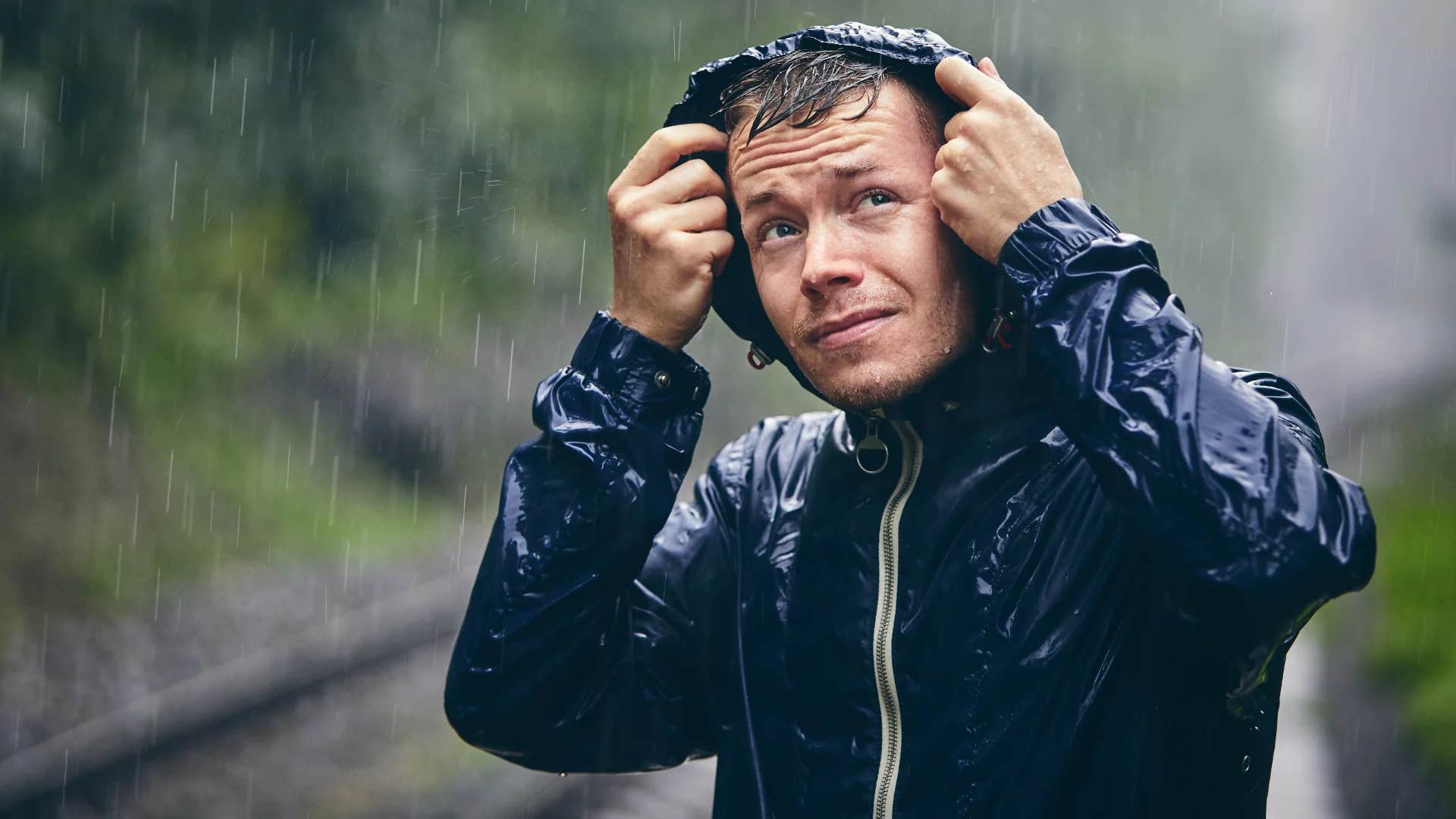
Many people have heard the phrase "pouring buckets," but in the South, they may say "It's a real gully washer out there." Unless someone was born or raised mostly in the South, they'd have zero idea of what this even means. After all, what's a gully washer anyway?
According to the Oxford English Dictionary, the "earliest evidence for gully washer is from 1903, in the writing of J. Fox." A gully is a ditch or channel formed by running water, so a "gully washer" refers to a heavy rainstorm strong enough to send water rushing through one. It's a colorful way of saying it's raining really hard.
10. 'It's like showing a dog a card trick'
 fizkes | Shutterstock
Southerners are known for coming up with some pretty colorful ways to describe people and situations. Instead of using this phrase, most people will say, "This person is clearly confused and doesn't know anything," but where's the fun in that? After all, is someone truly Southern if they don't make an animal reference every so often?
This idiom is actually pretty straightforward. It's used to describe moments when someone is confused, lost, or doesn't comprehend what's in front of them. The image of dogs understanding a card trick is pretty absurd, after all.
11. 'I ain't never seen the beat'
 fizkes | Shutterstock
"I ain't never seen the beat" is a Southern expression used when someone witnesses something so surprising or unusual that they're practically at a loss for words. As journalist Steve Waid explains, it's a way of saying you've never seen anything quite like it before.
Is this phrase a bit dramatic? Sure, but when a dramatic occasion arises, it's only natural that Southerners will use this fun language to match the energy, even if the rest of the country doesn't quite understand it.
Marielisa Reyes is a writer with a bachelor's degree in psychology who covers self-help, relationships, career, family, and astrology topics.

