
People Raised In The 60s, 70s & 80s Usually Don’t Understand Why Younger Generations Care So Much About 8 Things
 Kateryna Onyshchuk | Shutterstock
People raised in the 60s, 70s, and 80s came of age in a very different world from the one we know today, so it makes sense that they don't always understand why younger people care so deeply about certain issues.
Same as how younger people struggle to relate to the priorities of those who came before them. No generation is necessarily right or wrong, but understanding where these differences come from can make it easier to respect each other.
People who grew up in the 1960s, 1970s, and 1980s don't get why younger people care so much about these things:
1. Fighting climate change
 PeopleImages | Shutterstock.com
With worsening effects from climate change affecting Gen Z, it's not surprising that their generation often carries more stress and worry about sustainability and the environment. That's why they have higher rates of advocacy than other generations. They care so much because it's affecting them now and will clearly also affect their future.
Many Gen Zers also believe corporations, institutions, and businesses have a responsibility to act on climate change. Their strong expectations can differ from those of people who see environmental responsibility as a more personal issue.
Even if some people see climate change as a problem for later or believe the media exaggerates it, it's a current, frustrating, and frightening issue for many young people.
2. Staying active and connected on social media
For many young people, social media isn't just entertainment or a way to pass the time. It can provide connection, introduce them to communities that meet their needs, and give them room to express who they are. Especially for young people who are still feeling stuck in their hometown, at their parents' house, or in a life that's not yet fully realized, these are spaces they're very protective over.
Of course, there's also the fear of missing out that grabs young people trying to prove themselves and stay connected. Older generations may view screen time and doomscrolling as lazy behavior, but social media plays a much more nuanced and complicated role in many young people's lives.
3. Leaving jobs that no longer work for them
Gen Zers often change jobs more frequently because they may place greater value on purpose, personal fulfillment, and work-life balance than on traditional company loyalty. To older generations, staying with the same company, climbing the corporate ladder, and proving their loyalty is a road to success, but for Gen Zers, it's much more about their own fulfillment.
It's not about entitlement or laziness, even though those are the stereotypes Gen Zers are often met with. It's about figuring out what works for them, experimenting, learning skills, and balancing their personal lives with work. They don't want to live to work, especially when that means sacrificing time and personal experiences they value so deeply.
4. Talking openly about therapy and mental health
Gen Zers are more likely to report mental health struggles and diagnoses, which may help explain why they're so open to discussing mental health. Yes, their generation has made therapy and mental health resources somewhat routine and casual, but they're also actively trying to destigmatize it for everyone.
They recognize how helpful these tools can be and may worry about older relatives who could benefit from them but still feel uncomfortable because of the stigma surrounding mental health care. It might seem intrusive and uncomfortable for Gen Xers and boomers, but it's not a personal attack. This kind of cultural transformation helps everyone in the long run.
5. Expressing what makes them different
 Lee Charlie | Shutterstock.com
Many Gen Zers who grew up with social media and the internet place a strong value on individuality. Older generations may have felt more pressure to fit in and follow social norms, while many young people today feel encouraged to stand out. They want to be different and unique, no matter how strange that may sound to others.
It's not necessarily about vanity. It's a roundabout way of finding community. Ironically, being authentic and unique is how people seek belonging and community, by attracting the kind of people who are interested in the same kinds of things they are.
6. Creating a fairer and more inclusive society
Three-quarters of Gen Zers care about government policies aimed at reducing the wealth gap between rich and poor Americans. As the most diverse generation yet, they also often care about bringing more inclusive practices into the workplace. Their views on gender equality and health care are also driven by a desire for fairness and equal treatment.
Plenty of people from older generations care about these issues and have spent decades advocating for change, but younger people are bringing them greater visibility. Young people are called "snowflakes" for having empathy and criticized for caring so much about these issues. These concerns are often framed as political issues, even though many young people view them as basic human issues.
7. Leading lives that don't follow traditional expectations
Many older generations appreciate and value tradition, whether it's in the workplace, in their families, or in society. However, Gen Z has watched many traditional promises fail to work out as expected, so it's no surprise that they've grown skeptical of prescribed timelines.
There's pressure to settle down, get married, have children, earn a degree, take on student loan debt, buy a home, save carefully, climb the corporate ladder, and follow traditional gender roles. Yes, these traditions and pressured timelines work for some people, but they don't work for all. It's the choice and freedom that Gen Zers are often passionate about fighting for.
Especially when their ideas about success revolve around life purpose and the quality of their relationships, of course, clinging to tradition that doesn't always fulfill those things doesn't seem all that important.
8. Making time to rest and care for themselves
 we.bond.creations | Shutterstock.com
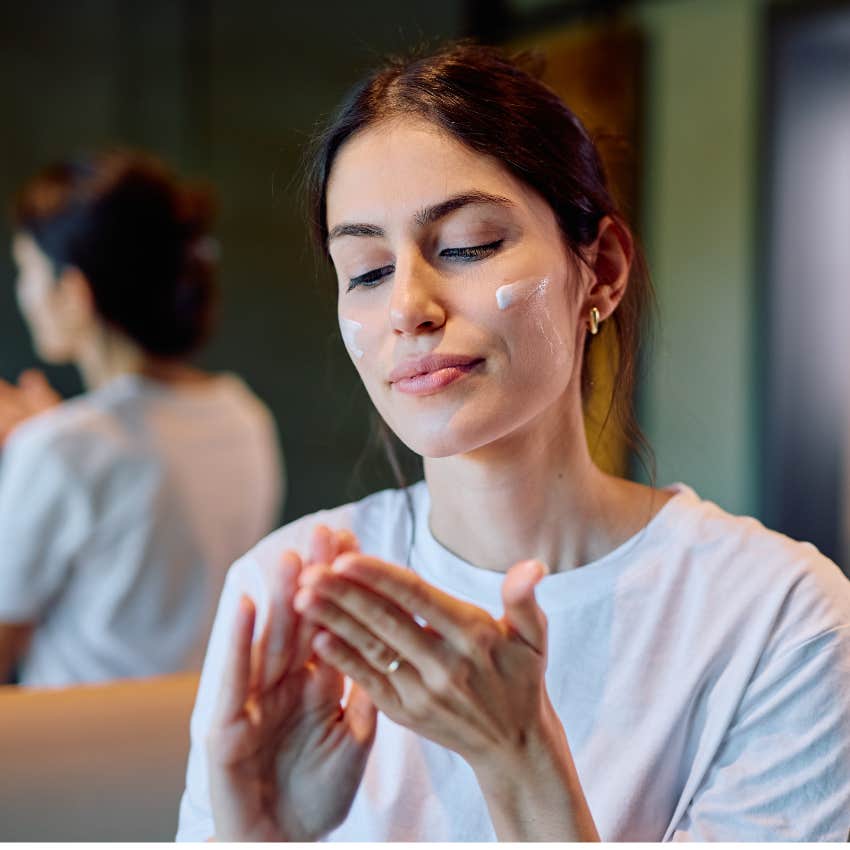
Many older generations who grew up in a hustle culture look down on modern ideas of self-care. Many were taught to push through discomfort and believe that anything worth having requires sacrifice. However, Gen Zers care about comfort, peace, and inner well-being. They're not willing to sacrifice their own well-being constantly in the pursuit of success.
They value slowing down and stepping back from work when they need to recover. To them, caring for themselves isn't selfish. It's necessary.
Zayda Slabbekoorn is a senior editorial strategist with a bachelor's degree in social relations & policy and gender studies who focuses on psychology, relationships, self-help, and human interest stories.

