
9 Everyday Skills Kids Used To Learn Naturally Are Now Basically Obsolete In Younger Generations
 Filippo Carlott / Shutterstock
One of the strange things about modern life is how quickly ordinary skills seem to be disappearing.
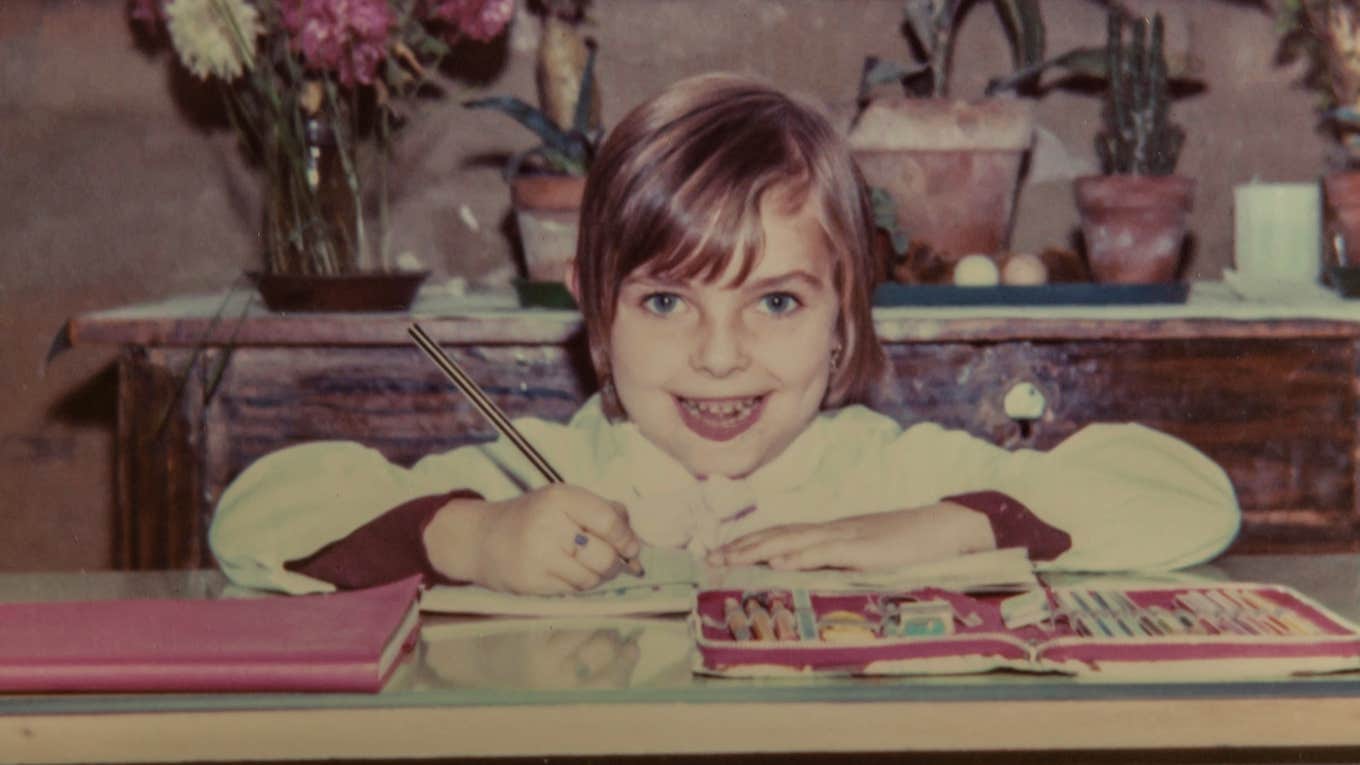
Not that long ago, most people picked up a wide variety of everyday skills almost by accident. Kids learned them by watching their parents or when running errands. Nobody sat down to teach these abilities in a formal way. They were absorbed through repetition until they became second nature.
As technology has transformed the way we live, many of those once-essential skills have quietly faded into the background. Some have been replaced by apps and automation, while others just aren't needed as often as they once were. Although younger people have developed plenty of new abilities their parents and grandparents never needed, these everyday skills offer a fascinating glimpse into how much ordinary life has changed in just a few decades.
These everyday skills that most people used to learn naturally are now pretty much obsolete
1. Reading a paper map
 cottonbro studio / Pexels
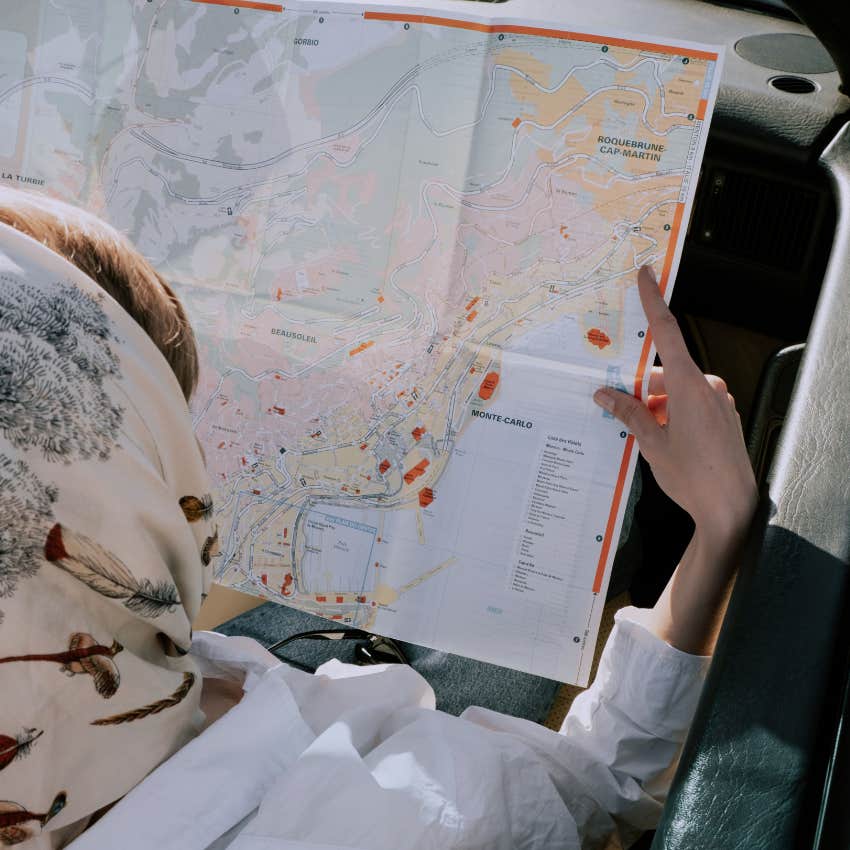
There was a time when getting lost was more common. Learning how to read a map was an important part of traveling and just getting around in general. People kept road maps in their cars and occasionally spent fifteen minutes arguing about whether they missed an exit three states ago.
Traveling was also a genuine way to connect with others. Since people weren't on their phones the whole time, they would sing songs, make note of what they saw out the window, talk to each other, and even play games.
Today, most people follow the GPS voice on their phone, which announces turns like a robot with no personality. A pro is that navigation is so much easier, but the downside is that many people would struggle to find their destination without GPS assistance for more than ten minutes.
2. Memorizing phone numbers
It used to be that people could easily memorize phone numbers, especially those of their friends, family members, bosses, and partners. Now, many of us know only a handful of numbers by heart, and one of them is usually our own.
I remember being a kid in school and having to provide my teacher with my mom's phone number. I didn't have it memorized, and I felt embarrassed. Phones have now become external memory storage devices. While that convenience makes everyday life easier, it also means we rely less on our own ability to recall information.
Researchers have even identified a phenomenon called the Google effect or digital amnesia, in which people are less likely to remember information when they know it can be easily accessed on a device later. There is also a downside to this dependence. In an emergency, a dead phone or poor service can make it difficult to contact someone if you don't have their number memorized. Knowing at least a few important phone numbers by heart remains a simple but valuable safety skill.
3. Writing in cursive
For a long time, cursive writing was treated as an essential life skill. Students spent hours perfecting the cursive alphabet and signatures, and adults used cursive for everything from personal letters to important documents.
Today, most communication happens on screens. Emails replaced handwritten letters, text messages replaced notes, video calls replaced hanging out in person, and keyboards replaced penmanship as the primary means people use to express themselves. Because of this, the younger generation rarely writes in cursive beyond signing their names or not at all.
I still remember teachers emphasizing how important cursive would be when we grew up. At the time, it seemed silly and unnecessary. Looking back, it's surprising how quickly something once considered a basic requirement of adulthood became a skill many people rarely use. Cursive hasn't disappeared completely, but it no longer plays the crucial role it once did in everyday life.
4. Remembering directions after hearing them once
Older generations were given directions like, "Turn left at the old church, go past the red barn, take the second gravel road, and if you reach the lake, you've gone too far." People figured it out and reached their destination because they had no choice.
Before smartphones, getting somewhere required paying attention to landmarks, remembering turns, and sometimes even pulling over to unfold a paper map. If you got lost, you had to rely on your memory, your sense of direction, or the kindness of a stranger at a gas station.
Today, GPS gives you real-time guidance. While it has made traveling quicker, it has also reduced the need to mentally map our surroundings. Our phones became good navigators, which means our brains no longer have to do nearly as much of the work. Many people can arrive at a destination perfectly, yet struggle to retrace the route without their phone leading the way. It's important to note that, to grow mentally and physically, the brain must be active.
5. Using a card catalog at the library
 Tima Miroshnichenko / Pexels
Before search engines existed, finding information required a little detective work. Libraries had many cabinets and bookshelves filled with books, documents, articles, and magazines. There were also index cards that helped people find books. Students learned how to work with them as naturally as today's kids learn internet searches.
Today, a few key words or letters accomplish the same task instantly. Again, there's convenience in this, but still, younger generations may never experience the oddly satisfying process of physically hunting down information. This helped improve our research skills and helped us learn information in a productive, connected way.
6. Waiting patiently without entertainment
This one may be the most dramatic change of all. People back in the day waited in doctors' offices, at bus stops, in airport terminals, restaurants, and grocery store lines. Most of the time, they had no phone to reach for and no endless stream of entertainment to fill the silence. They simply sat with their thoughts.
The interesting thing is that boredom serves a purpose. When our minds are not focused on a specific task, they often drift into a more creative mode of thinking. During these quiet moments, we daydream, reflect on past experiences, solve problems, imagine future possibilities, plan things to do, and make unexpected connections between ideas.
Some psychologists even argue that these periods of mental wandering are important for creativity and self-reflection. As uncomfortable as boredom can feel, it used to give our brains room to breathe. Today, many of us eliminate it the second it appears, which means we may also be missing out on some of the creativity and insight that come with it.
7. Balancing a checkbook
For years, responsible adults kept track of every transaction manually. People recorded deposits, withdrawals, savings, and account balances by hand. People even put their savings in piggy banks or boxes.
Mistakes mattered because real-time banking information did not exist. Online banking eliminated the need for this. Today, most people check an app and immediately know how much money they have and can even send money. The skill to manually track money has not disappeared entirely, but it has become far less necessary.
8. Developing photographs and organizing physical albums
Taking photos used to require intentionality. Every photo you took was special because film was limited, photos were physical and could be thrown away or damaged, and it was usually all you had to save a memory and come back to it. The process of taking the photo took time, and every picture cost money. Then came the anticipation of waiting for photos to arrive or to be picked up. Afterward, families organized them into albums and put them on bookshelves for generations.
Now, pictures sit in your phone for no one to see, or for everyone to see once they're posted. People take more pictures than ever before. Ironically, they may spend less time looking at them, try to perfect them for others, allow strangers to know things about them from these photos, and allow people to bully and criticize them.
9. Knowing how to entertain yourself without technology
 cottonbro studio / Pexels
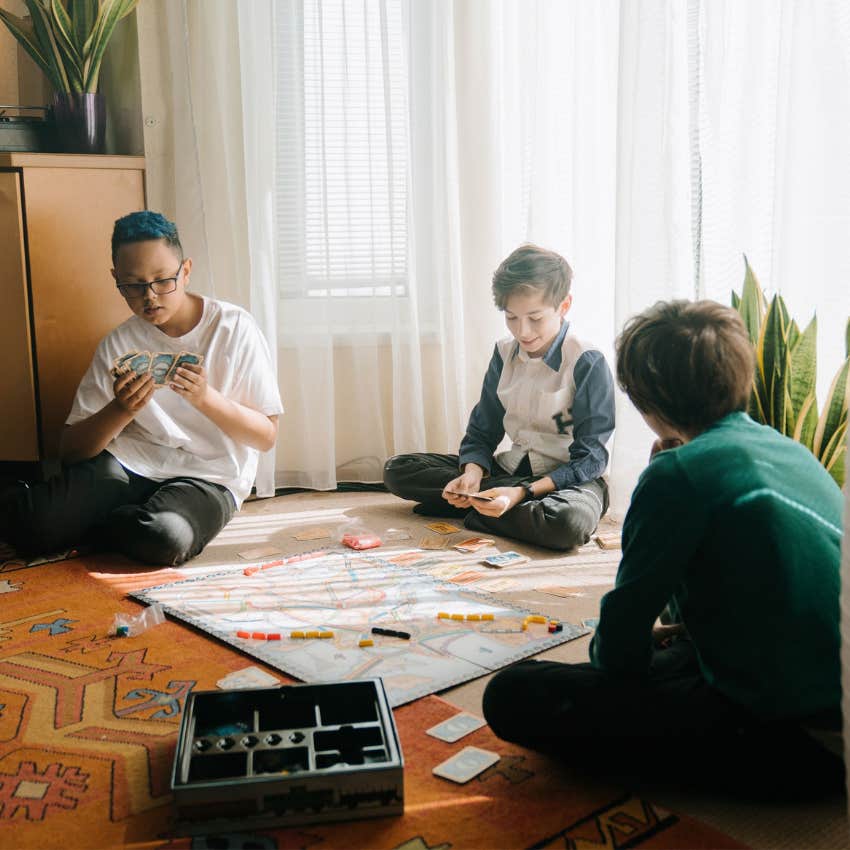
Kids once built forts, made up games, rode bikes for hours, climbed trees or treehouses, and came up with activities just because there was nothing else to do. Adults did the same thing. People learned to create fun rather than consume it or judge other people's versions of it.
Today, entertainment is available instantly and endlessly. Streaming services, social media, gaming platforms, and phones give constant stimulation. The result is not necessarily worse, just different. It does mean the ability to create entertainment entirely from imagination gets a lot less practice than it once did.
That may be one of the most quietly disappearing skills of all.
MeShanda Deason is a writer with a BFA in Creative Writing and a minor in Business Communication and Literature from Stephen F. Austin State University who covers storytelling, culture, identity, and human connection across editorial, journalism, and marketing spaces.

