
Younger Generations Can't Handle 11 Basic Life Skills Boomers Mastered When They Were Basically Kids
 Gyorgy Barna | Shutterstock
 It can seem impossible to bridge the gap between the generations, especially given the social progress and tech advances younger generations have grown up with. But the older generations learned a set of skills that younger generations struggle with, ones we can totally learn from.
Boomers may seem out-of-touch, but their values are reflected in their skills, which are surprisingly useful today. Sadly, younger generations often just can't handle them.
Younger generations can't handle 11 basic life skills boomers mastered when they were basically kids
1. Being patient
 Sabrina Bracher | Shutterstock
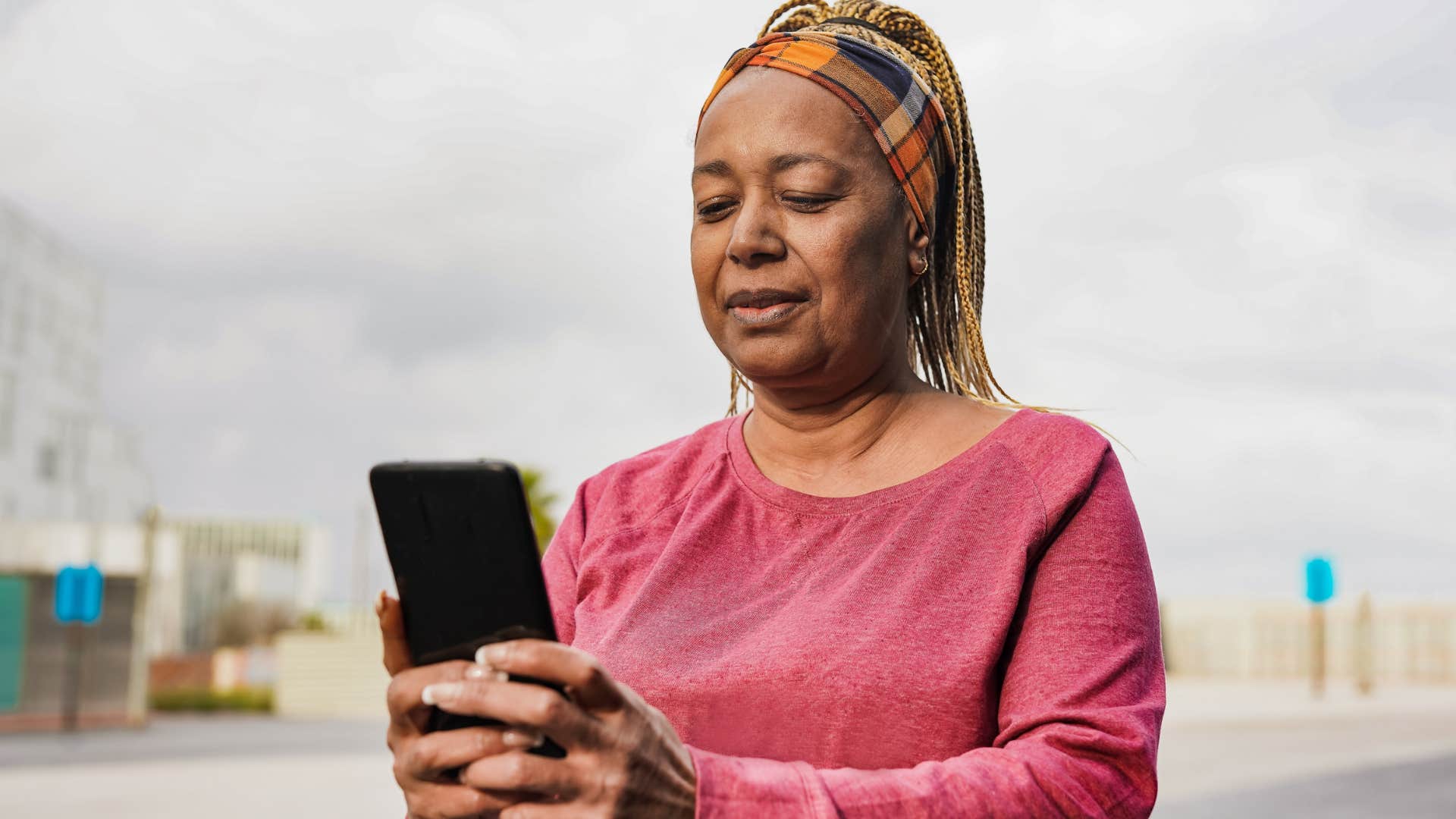
Patience is a life skill baby boomers have had mastered from a young age. They were raised without the internet or even cable television (let alone social media!) and had to figure out how to find inner peace when they were bored or waiting for something big to happen.
Younger generations often can't comprehend a way to be patient in this way, as they've had so many immediate gratification situations growing up, and even more as adults.
Of course times are different for younger millennials and Gen Z when it comes to work and other external signs of success. For baby boomers, following a traditional path to success with higher education and the corporate world paid off with stable careers and a comfortable financial life.
For many young people, however, they haven’t had that same luxury. Buying a home is a pipe dream, getting a job with a pension plan and health insurance is a reach. Because of this, patience likely seems like joke since it doesn't seem to pay off.
Still, it is one of the only ways to get where you need to go, something boomers know well.
2. Being alone with their thoughts
 shurkin_son | Shutterstock
Many young people today would rather experience physical discomfort, like an electric shock, than be forced to sit alone with their thoughts for 15 minutes, at least according to a 2014 study. For baby boomers, who spent much of their time alone or bored growing up, this free time is rejuvenating.
Boredom has a unique power to spark creativity, but young people often use distractions to avoid being alone with their thoughts long enough to let it happen. Sadly, this keeps them from gaining the benefits.
Boomers are just the opposite. Not only does their comfort with being alone allow them to tap into their creativity, it also helps keep the idea of being alone and off your phone less anxiety-inducing.
3. Finding joy in the little things
 Perfect Wave | Shutterstock
For baby boomers, who spent much of their childhoods and early adult years filling their alone time by finding hobbies and exploring passions, it’s easier to find joy in the little things. They don't need big productions or crazy nights out to be happy.
Young people too often rely on distractions like the internet or social media, the kinds of time-fillers boomers didn’t have access to until well into adulthood. This can make it feel challenging to appreciate sweet moments and little joyful moments happening around them. Often, they don't even see them.
4. Self-reliance
 Andrii Nekrasov | Shutterstock
Baby boomers are often praised for their self-reliance. When nobody (or nothing) was around to distract them from their boredom, they relied on themselves and their creative thinking to fill the time. When it was too late to call someone's home and you couldn't text, you had to find solutions to your own problems.
They were forced to grapple with discomfort and learn their own interests from a young age. They had to solve problems as teens exploring the world with no cell phone to rely on, and that made them impressively self-reliant in ways few younger generations are now, and likely will ever be.
5. The ability to read (and enjoy) real books
 Inside Creative House | Shutterstock
Baby boomers tend to read for pleasure a lot more than other generations, a habit that started in a childhood without non-stop access to screens.
Reading more helped boost their reading comprehension, which helped them in school and eventually with professional success, too. They found joy in reading after school or work, which only made reading easier and more fun.
While young people may be just as interested in reading, they tend to split their time between social media, technology, and keeping up with people online. Sadly, this makes it harder to feel competent as a reader, which makes it less enjoyable.
6. Delayed gratification
 Dragana Gordic | Shutterstock
Without overnight shipping or on-demand entertainment, boomers had the ability to delay gratification without getting antsy, even as kids. They had to wait until a trip into the city to buy a new Sunday outfit or for a mail-order shipment of something they couldn't buy nearby.
According to psychotherapist Ilene Strauss Cohen, the art of delayed gratification often aids baby boomers in truly addressing their life qualms and struggles, rather than seeking a temporary Band-Aid fix.
7. Resourcefulness
 insta_photos | Shutterstock
According to the OKR Institute, baby boomers are often known for their resourcefulness. They grew up in a period of economic growth and relative stability, which is definitely an advantage. But they were also under enormous pressure to conform to the highly-controlled Nuclear Family ideal.
As a result, they rebelled and uprooted almost everything in society, fighting for civil rights, women's rights and against an unjust war and draft. This is a revolutionary generation who knows how to make the best of a bad situation and find innovative solutions. All without the help of computers or cell phones. Younger generations could only dream of such resourcefulness!
8. Leveling-up their hobbies
 insta_photos | Shutterstock
While spending too much time alone without social interaction has its consequences, having time to invest in hobbies, self-reflection, and personal interests is beneficial. And that's something boomers are great at after spending their childhood overcoming boredom.
According to the Child Mind Institute, boredom, especially for young kids, boosts creativity and critical thinking. Boomers being left to figure out what they liked, rather than living an over-scheduled life of formal activities. Because of that, their hobbies are passions, developed authentically.
9. Living within their means
 Stocklite | Shutterstock
Baby boomers were raised by people who lived through the Great Depression. While there was a lot of financial opportunity around boomers as kids, their parents never lost their frugality. Boomers learned all these skills, and while they may not have been as frugal as their parents, they were fantastic at living within their means.
This was easier for boomers than it is for younger generations, of course. As mentioned in earlier points, the world is different. It's nearly impossible for most young adults to buy a home or even get health insurance, let alone save for retirement. So, while there's much they can learn from boomers about living within their means, it's a whole different ball game these days!
10. Building a routine
 Evgeny Atamanenko | Shutterstock
Even in their daily lives, boomers love routines that help support their values. We all know a boomer who has always paid their bills early, attended religious services weekly and walked every morning from 7am to 8am.
They found hobbies and endeavors to fill their free time, often on a pretty strict schedule. Even all those wolves of Wall Street met at the same time to play racquet ball in Manhattan!
Many young people struggle to build thoughtful routines tailored to their needs. They feel pressure from social media to do what others do, and that inauthenticity can make it harder to keep up with these healthy routines, whereas boomers found their own way to routines that stuck.
11. Knowing how to go fully analog
 Ground Picture | Shutterstock
Younger generations often struggle to log off and go screen-free, even when they need it. Boomers have had practice, but that's not the only reason they excel at going fully analog sometimes.
Boomers are often better at creating boundaries around technology because they didn’t learn to rely on it from an early age. They know what it feels like to leave home with absolutely no way of contacting their family other than a pay phone, and they're happy to keep doing it now.
Their ability to unplug helps boomers de-stress, but it also profoundly protects their emotional well-being and physical health. They’re not distracting themselves with social media or working from their phones at night, they have the freedom to enjoy family time or invest in hobbies.
Zayda Slabbekoorn is a staff writer with a bachelor’s degree in social relations & policy and gender studies who focuses on psychology, relationships, self-help, and human interest stories.

