
Gen Z, Millennials, Gen X & Boomers Have Completely Different Ideas Of What Quality Time Looks Like
 Andres Ayrton | Pexels
Many people feel better when they're around their partner, or their friends and family. Quality time can truly make us feel more secure.
But quality time is also seen very differently depending on a person's generation. For Gen Zers and millennials, it might mean FaceTiming or scheduling time together in advance. For Gen Xers and baby boomers, that may include alone time or surprise visits.
Every generation has a different idea of what quality time looks like
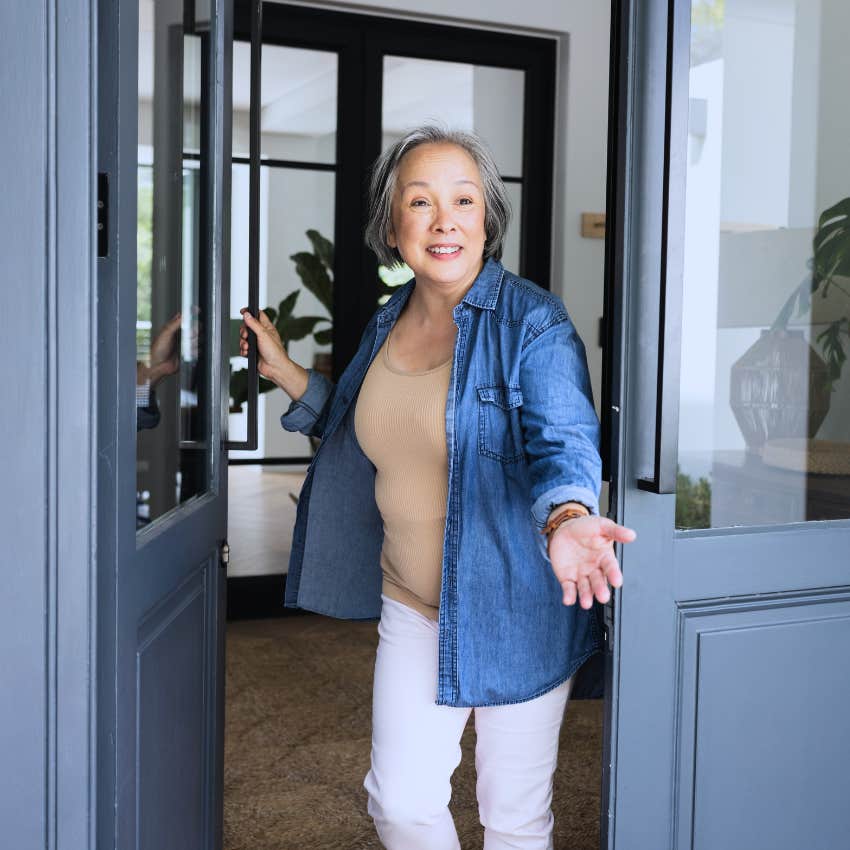
For boomers, quality time includes 24/7 access and impromptu visits
Because of their family values and their relationships serving as the anchor of a boomer's life, it's not surprising that they appreciate access and in-person togetherness.
In their relationships, they not only value face-to-face conversations over digital, convenient alternatives, but they expect to have access to their partner at all times.
 wavebreakmedia | Shutterstock
For them, quality time isn't usually scheduled into their calendars ahead of time. At least, it's not the only time they expect to be around their loved one. There are also unprompted texts or phone calls happening throughout the day.
With the right communication, it's a great, consistent way to maintain their relationships. It supports boomers in maintaining their strict sense of loyalty. But among boomers and their adult children, it's also quickly become a point of tension, as their kids expect separation and privacy.
Gen Xers enjoy being alone together and having independent space
Many Gen Xers were raised as latchkey kids, meaning they were comfortable with alone time and became self-reliant relatively quickly. Now, they're independent adults who are careful about their personal time and rest.
To them, their idea of quality time is being in the same room as their partner but doing different things.
 DexonDee | Shutterstock
They appreciate having independent time together, even if it sounds somewhat counterintuitive. They watch television or go for a walk together because those activities are low-pressure, low-stress plans that allure them into spending time with someone they love.
They have busy lives and are sandwiched between their adult children and aging parents, who demand their attention constantly. They need this low-stakes time or they're quickly drained, and quality time becomes much less fulfilling.
Millennials schedule their quality time to be emotionally present
With busy lives and an appreciation for balance, millennials often schedule quality time with their partner. That time together isn't an obligation they have to show up for, but something they thoughtfully organize with their combined well-being in mind.
They're not afraid to guard their downtime and rest. And if that means scheduling things out and investing in experiences with their loved ones, they're fulfilled.
 cottonbro studio | Pexels
Because they plan this time together, they're able to be present with their partner without feeling pressure to do anything. They give their undivided attention without feeling like they need to do activities together.
But even when they're not just relaxing, they live for the small moments spent with their loved one. Even sneaking out to get a cup of coffee or taking a quick trip to the grocery store is considered quality time for them.
Gen Z enjoys low-pressure micro-experiences and digital connection
While many Gen Zers maintain relationships almost entirely online, they do appreciate experiences outside of using FaceTime calls or continuous group chats when they can't get together.
In fact, to them, quality time doesn't have to mean extravagant plans and experiences. It can also be doing chores or running errands, as long as they're together.
 Hryshchyshen Serhii | Shutterstock
Gen Zers are leaning heavily into "choremancing," which allows them to create quality time out of the most mundane experiences, like going to the gym or taking the dog for a walk. Anything is a chance to connect.
The best part is, they don't have to put their free time or solitude on hold to spend time with the one they love most.
Zayda Slabbekoorn is a senior editorial strategist with a bachelor's degree in social relations & policy and gender studies who focuses on psychology, relationships, self-help, and human interest stories.

