
Millennials Used To Think 11 Things Were The Key To A Good Life, But Now They Just See Them As Exhausting
 Norma Mortenson | Pexels
Millennials are exhausted. Way back in the early 2000s, when millennials were young, they thought they had everything they needed. They watched television and wore low-rise jeans. They were rich in butterfly clips and hope. The future was bright.
But in the years that followed, the world became virtually unrecognizable. Between unprecedented historical events and economic stress, the things millennials used to think made their lives good are things they now find emotionally taxing. They wanted everything they were promised, but now all they want is a break.
Things millennials once thought were key to a good life, but now see as just exhausting
1. Buying a home
 Anton Estrada via Canva
Millennials were raised to believe that buying a house was the holy grail of success. But homeownership has never been easy for them to access, as a result of the Great Recession and the housing market crash.
Millennials believe that buying a house is an important milestone, even though they’re concerned about affordability, and over half of millennials say they were stressed about the maintenance costs of owning a home. Yet, they have more than just basic upkeep to worry about. Owning a home involves lots of long-term costs, like mortgage payments and property taxes.
Millennials dreamt about buying homes for so long, but they weren’t prepared for how hard it actually is. Instead of being excited nowadays about buying a home, it's tiring to think about having a place of their own.
2. Side hustles
 PeopleImages | Shutterstock
Millennials came of age in the era of leaning in. Being a girl boss was something to strive for and having a side hustle was the ultimate goal. They fully committed to turning their hobbies into something lucrative, thinking it would make them happy and successful, when all it did was exhaust them.
According to a survey from Academized, 52% of millennials in the U.S. have some kind of side hustle to supplement their income, which says a lot about the current economy. Around 64% spend 5 to 20 hours a week on their side gig, on top of their full-time job commitments.
Side hustles sound great in theory, but they take a serious amount of time and energy to actually get off the ground. Millennials learned the hard way that monetizing their cute little hobbies is exhausting.
3. Minimalism
 corelens via Canva
Minimalism was something millennials thought would make them happy and give them a good life, but instead, it's become tiring. According to a 2023 study, minimalism “is about deciding to place less emphasis on material possessions in order to find fulfillment in other creative endeavours, hobbies, and interests.”
The minimalist aesthetic is tied to the idea of voluntary simplicity, which is something “people practice simplicity to attain happiness and peace.” For millennials, minimalism captured a “trendy, low-consumption way of life,” but it didn’t make them as fulfilled as they hoped.
There’s a lot to be said for living a low-key lifestyle, but for millennials, constantly curating what’s in their home is mentally exhausting and more effort than it’s worth.
4. Owning plants
 tataks from Getty Images via Canva
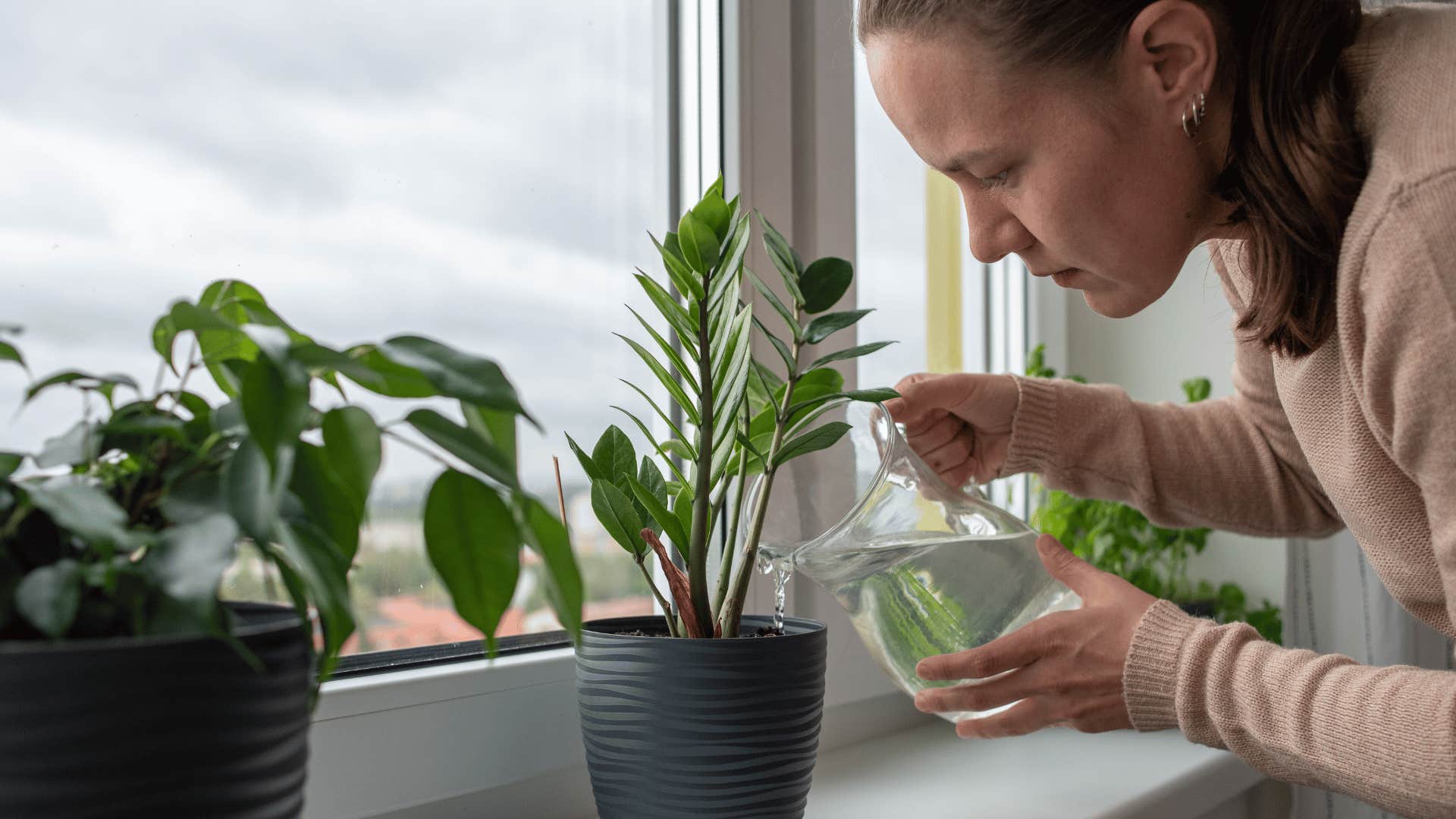
In their quest to make their lives look perfect, millennials invested in plants in a big way. They lined their windowsills with adorable succulents and put a Monstera plant in the corner of their living room. Their social media feeds featured artsy photos of their plant babies, but their real lives were littered with wilted plants fighting for their lives.
Plants are calming and good for your mental health, but they also require consistent care. Many ambitious millennials turned their apartments into greenhouses, only to realize how much work goes into keeping those precious plants alive. They thought that cultivating greenery would bring them happiness, but now it's just extra work.
5. Following their passion
 Getty Images Signature via Canva
Growing up, millennials were told they could be anything they set their minds to. But now, they're thinking it's not really the best idea.
As sociologist Erin Cech explained, “Passion for your job is everywhere. It is in the way we’re supposed to think about the work we do, what it means to have a good job, and at the end of the day, how we are supposed to feel about the jobs we have.”
Cech continued, adding, “Passion won’t insulate you from the stresses of the modern world of work... one of the concerns about centering your work as a core part of your identity is that no amount of passion for your job is going to mean that an employer is going to keep you.”
6. Buying themselves special little treats
 Getty Images Signature via Canva
If there’s one thing millennials are experts in, it’s buying themselves special little treats. In the millennial mindset, every uncomfortable task should be accompanied by something delicious. Running adult errands? Buy yourself a treat. Have a doctor’s appointment? Have a treat for being so brave.
The thing about relying on special little treats is that, eventually, the treat becomes a normal part of life and stops being something special. Millennials have learned that getting caught in an instant gratification loop is exhausting and doesn’t bring true fulfillment.
7. Being eco-conscious
 Africa images via Canva
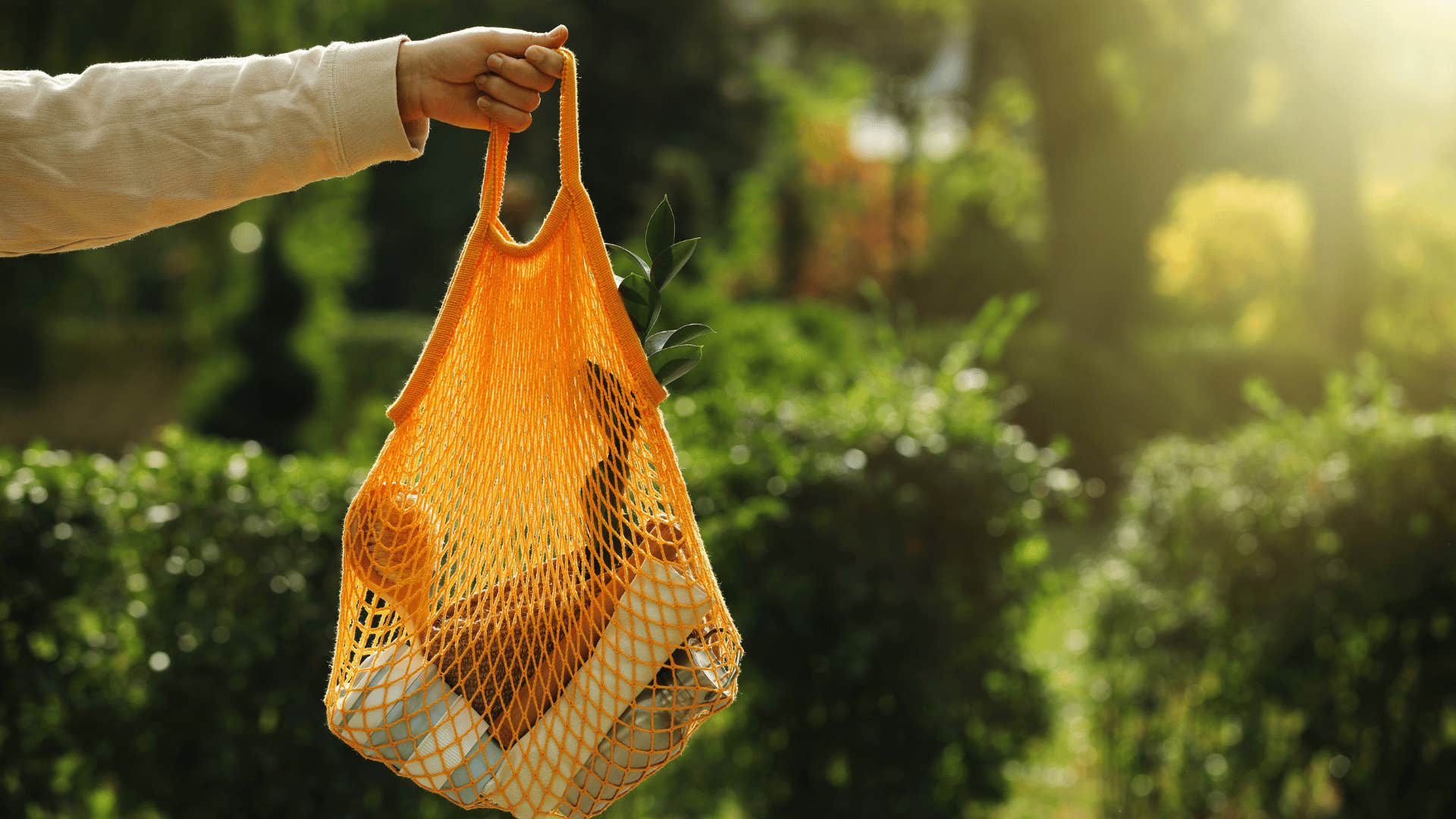
As the largest generational cohort in the U.S., millennials have some serious spending power, yet they don’t just buy for the sake of buying. Millennials see themselves as conscious consumers. According to Harvard Business Review, millennial consumers “increasingly say they want brands that embrace purpose and sustainability.”
But their wishes and their actions don’t always line up. Millennials might say they want to buy from sustainable brands, but not many actually do. They live in the “intention-action gap,” which means they believe in sustainable purchasing, even though they don’t always follow through on it. It takes a lot of intentional effort and disposable income to buy only eco-friendly products, and millennials are short on time and money.
8. Making vision boards
 Mikhail Nilov | Pexels
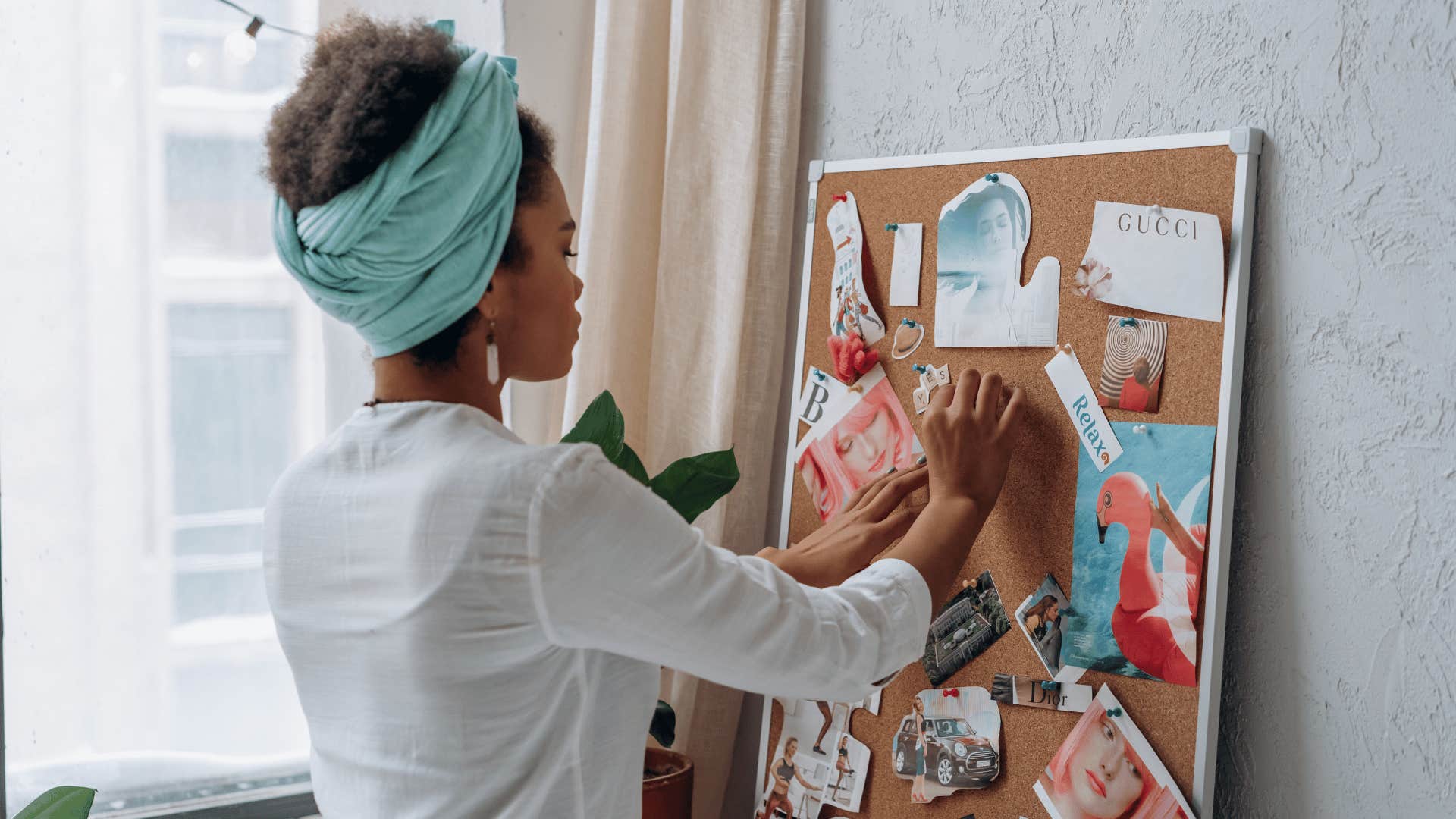
Millennials have survived several economic downturns, but they haven’t bounced back the way they thought they would. They took the traditional route, but their college degrees didn’t guarantee steady work. They focused on manifesting the abundance they deserve, but they went a little too hard, and discovered how real burnout can be.
They thought that making a vision board for every aspect of their life would set them on the right path in life, but they've come to realize that it just made them more exhausted. Millennials are masters of pushing past their limits, after all.
9. Getting bangs
 Yuril Zymovin via Canva
Back in the late 1990s, millennials styled their hair in ways that would make them cringe now. Bleached tips and chunky highlights were the way to announce how popular they were. Slathering on way too much hair gel and putting in butterfly clips was the beauty standard. But there are certain looks millennials will never go back to.
Millennial women fully bought into the belief that getting bangs would change their life. They weren’t wrong. Their lives did change, just not in the way they imagined. Girls with bangs spent so much time trying to make them fall right, only to have their precious bangs stick to their forehead.
As controversial as millennial hairstyles can be, most women have made peace with the mistakes they made in the past. They’ve sworn off bangs forever, or at least until their next big breakup.
10. Being on social media
 pocstock via Canva
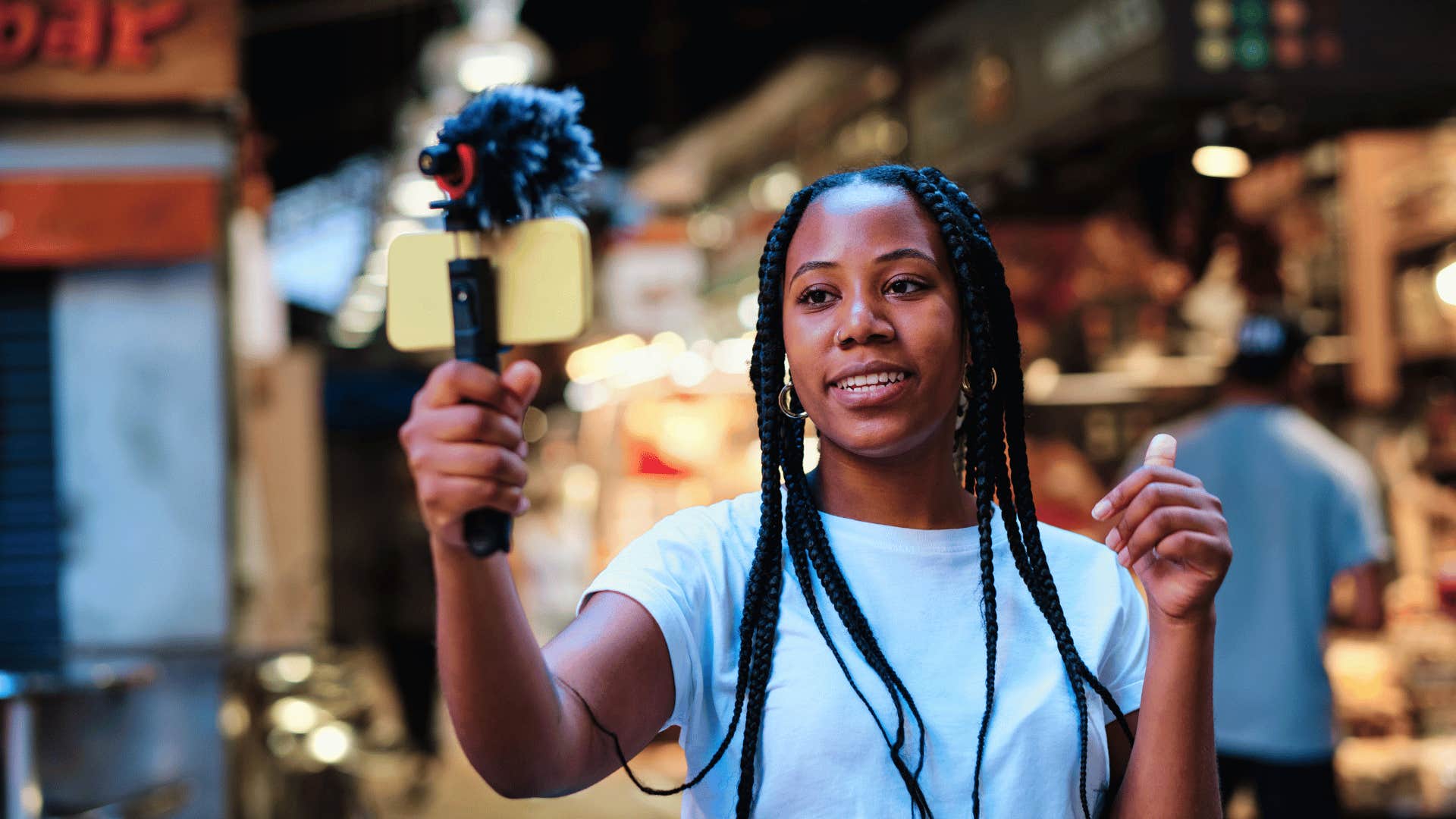
Though millennials know what life was like before the internet and have adapted to the way technology has advanced so rapidly, it's social media that's doing them in. A majority of millennials interact with people through devices more than the physical world. It's helped them build meaningful connections, but it's also exhausting and overwhelming.
They worry more about the negative impacts of social media than older generations do. For all the benefits of a digital lifestyle, millennials are definitely feeling tech fatigue. They thought that a picture-perfect Instagram feed would make them happy, but it's done no such thing.
11. Starting a skincare routine
 Getty Images Pro via Canva
Older millennials are in the season of life where skincare is more important than ever, and in true millennial fashion, they’re overcommitting. Along with Gen Zers, millennials overspend on beauty products, doling out thousands a year.
It's usually anti-aging products, too. They don’t just wash their faces, they exfoliate and buff. They don’t just moisturize, they use under-eye cream and serums. They take the ritual acts of self-care seriously, but have forgotten about moderation.
Alexandra Blogier, MFA, is a writer based in Boston, Massachusetts who covers psychology, social issues, relationships, self-help topics, and human interest stories.

