
Kids Raised By Emotionally Immature Parents Usually Question 7 Things In Adulthood
 cottonbro studio | Pexels
Dealing with emotionally immature parents is a mentally draining ordeal, for children and adults alike.
As a kid, their needs are never met and they don't receive the life skills they need to thrive. Unfortunately, being raised by parents who can't recognize or deal with their own emotions means they become adults who question a number of things about their own lives.
Things kids question in adulthood when they're raised by emotionally immature parents
1. If their needs actually matter
 cottonbro studio | Pexels
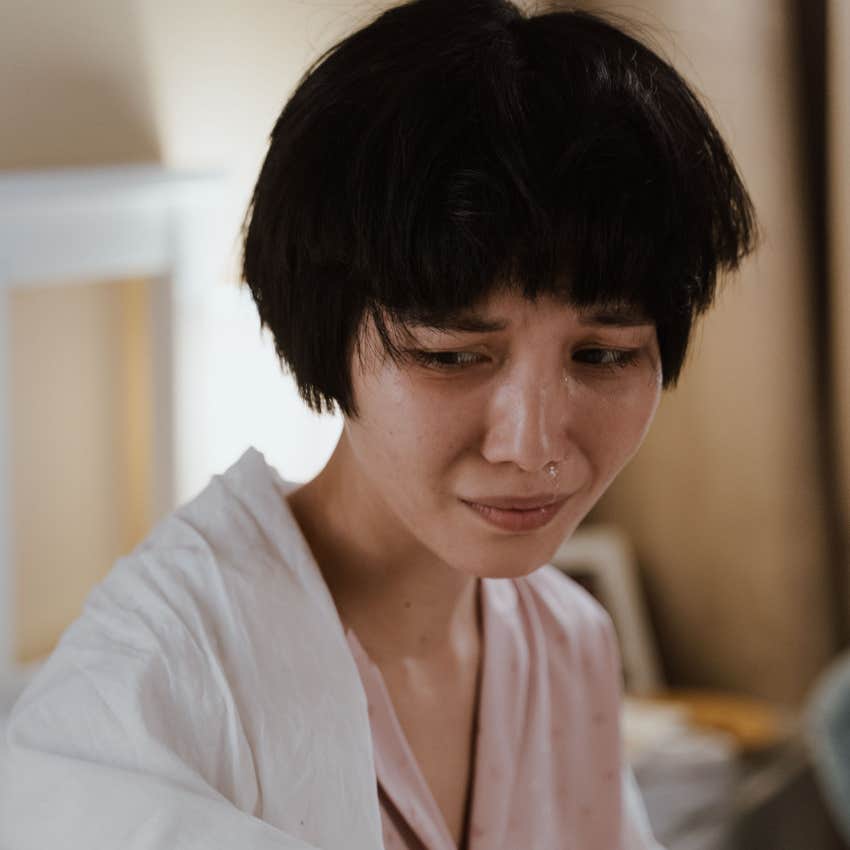
Children raised by emotionally immature parents were always cast aside. Their parents only cared about themselves, believing the whole world revolved around them. They acted like children and weren't able to properly care for their own kids.
As health writer Angelica Bottaro pointed out, "Emotional immaturity is characterized by impulsive reactions and a lack of empathy. People with emotional immaturity may not accept responsibility for their own actions."
Adults raised by parents like this question if their own needs matter to this day. All their parents cared about was themselves, and now, they may suffer from low self-esteem.
2. Being so closed off
Due to the strain they experiences growing up, kids of emotionally immature parents may keep to themselves. They don't want to get to know people and tend to find themselves in their own company frequently.
Because their parents didn't give them the time of day as kids, they learned to withdraw or developed avoidant behaviors. As an adult, this behavior persists, and they wonder why they find it hard to open up to others.
3. Preferring to be alone
Self-isolation is something people may do as a result of their childhood. Because they had no support system growing up, people like this tend to prefer being alone.
It may have been the only way to escape their parents, even for a small amount of time. But in adulthood, they question why this is. It's not that they like being alone, just that it was their way of coping with the chaotic home they lived in.
4. Feeling like a burden
When things don't go their way, emotionally immature parents tend to lash out and blame their kids. It's often a repeated pattern, and it makes kids feel like a burden or like they don't matter at all.
According to therapist Alana Barlia, "Chronic guilt and shame often stem from being raised by an emotionally immature parent who may have used blame, manipulation, or emotional withdrawal to control behavior or express dissatisfaction."
5. Feeling ashamed of who they are
 MART PRODUCTION | Pexels
Growing up, their parents may have criticized them or shamed them for their interests or personalities. Over time, this created a mindset of unworthiness that they carried into adulthood.
Because their parents blamed them for everything as well or reused to attend to their needs, their sense of self suffered. As an adult, they may still believe deep down that something is wrong with them, despite it being their parents who shaped them to be like this.
"Exposing young people to harshness, criticism, and coldness has serious psychological consequences. Affection is a key driver in most psychological operations... Without affection, the child will struggle, as she lacks the mature skills and abilities to provide for herself," clinical psychologist Mary Ann Little revealed.
6. Finding themselves in situations similar to their upbringing
Much of what people do and say stems from their parents. Children learn by watching, and when adult children grow up in a home with emotionally immature parents, they tend to seek out the same patterns from their youth.
They might get into relationships with people who are all too similar to their parents. For example, they might find a partner who is childish and belittles them, much like how their parents did. Subconsciously, they seek people who are similar to their parents. And when they recognize they're doing this, they may question if it's the right thing to do.
7. Keeping in contact with their toxic parents
The hardest thing someone can do is cut off contact with family, parents especially. Even if a person's parents were immature, they're still their parents.
People raised by parents like this may find it difficult to cut contact with the toxicity, despite it making them so miserable as adults. They may wonder why they're finally prioritizing themselves for once, feeling guilty for needing to push their parents away.
Perhaps they stay in contact because they hope to fix the relationship, but sometimes, the best thing to do is leave them behind, no matter how badly it hurts.
Allison Peterson is a writer with a degree in English from the University of Nevada, Reno. She writes on relationships, lifestyle, and mental health topics.

