
Kids With A Natural Ability To Empathize With Others Usually Have Parents With 8 Rare Traits
 niderlander / Shutterstock
We often talk about empathy like it should be a given, but it doesn’t come easily to everyone. Being able to understand and relate to other people's emotions is something most children have to be taught both at home and at school.
That said, we've all known kids who seem to be naturally empathetic to a degree that seems particularly mature for their age. In most cases, these children are being raised by parents who themselves possess several rare, special traits their kids learn to mimic, which benefits everyone.
Kids who have a natural ability to empathize with others often have parents who share these rare traits
1. They have no problem apologizing to their kids
 halfpoint via Canva
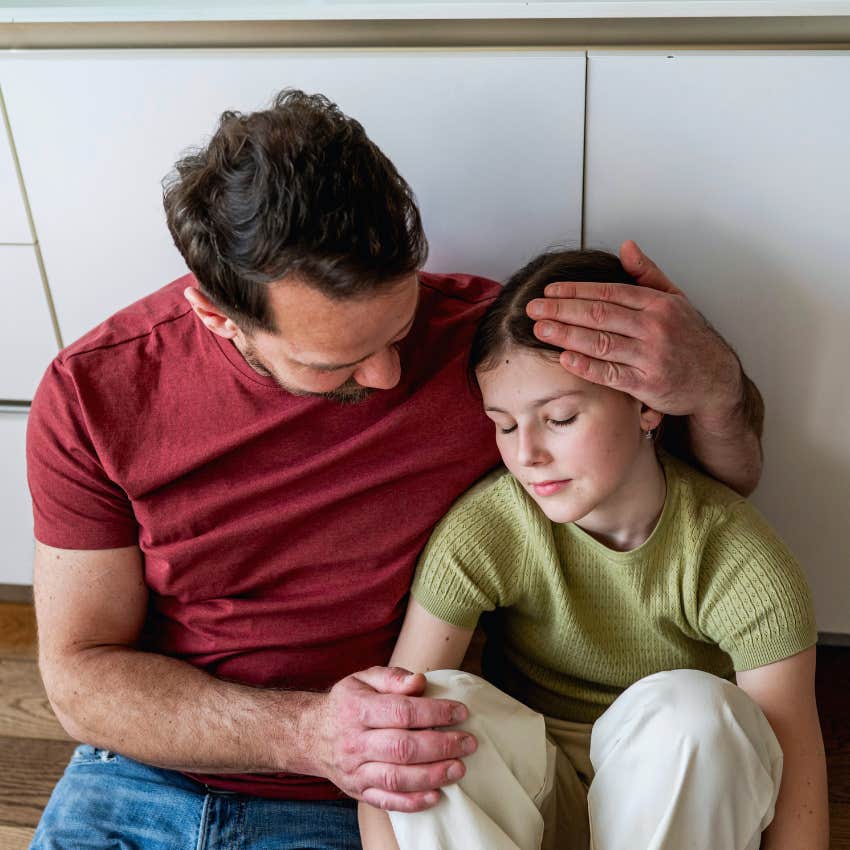
Being able to offer a sincere apology when it’s needed is a really important life skill, but lots of children don’t see their parents do it often because they think apologizing to their kids undermines their authority.
Parents who say they’re sorry are actually showing their kids that they care about them while also teaching them the importance of accountability. It’s a great way to teach kids how to build strong relationships, and it strengthens their own bond at the same time.
2. They treat everyone equally
It isn’t enough for parents to tell their children to treat everyone with the same respect, no matter their status. The amount of empathy a child shows is in large part based on what they saw in their parents.
Kids won't necessarily treat a service worker and a CEO the same way unless they see their parents do it first. That equality is the basis for empathy, so it’s a necessary step if they’re going to treat others with kindness.
3. They encourage their kids to think about how other people feel
No one can read minds, but trying to put yourself in someone else’s shoes is still a powerful way to understand them. Parents can do this in a really simple way by asking their kids how they think a certain situation made another person feel and why.
This is something we all do pretty much automatically, but kids will understand the process much better when they have some guidance. The bottom line is that emotions aren’t a taboo subject, which makes them feel comfortable connecting with others.
4. They take a step back when their emotions are too strong
 RealPeopleGroup from Getty Images Signature via Canva
Many parents don’t think about taking a break. You obviously can’t be totally off the clock as a parent, but there’s nothing wrong with pausing for a few minutes when the situation gets too emotionally charged.
Parents who say something like, “I’m having a hard time with this. Please give me a minute,” are teaching their kids an important lesson. They see that it’s OK to step back and calm down instead of overreacting, which then helps them treat other people with more empathy.
5. They don’t label negative feelings as bad
It’s easy for people to confuse uncomfortable emotions, like anger or embarrassment, for bad emotions. There’s nothing wrong with feeling angry as long as it doesn’t affect your behavior, but lots of people turn to emotional avoidance to try to make it go away.
Empathetic kids learn to look at their feelings from a different perspective. Their parents talk openly about feelings and never make them feel ashamed of their emotions. They teach them regulation instead of suppression, which helps them do the same for others.
6. They take their kids’ emotions seriously
Parents face a two-sided problem with how they handle their kids’ emotions. On the one hand, they want to protect their children and make them happy, so they might go overboard with their efforts to keep their kids from getting hurt.
Another issue is what upsets kids in the first place. It’s hard to stay patient when a toddler throws a tantrum for half an hour because the different foods on their plate are touching.
Whatever the case is, minimizing kids’ feelings makes them think there’s something wrong with them. When their emotions are invalidated, they can’t relate to other people’s emotions, which is why this is a key part of learning to empathize.
7. They have realistic expectations for others
 studioroman via Canva
The intentions behind someone’s actions don’t always match the impact they cause. Someone could say something they think is a great joke that another person feels deeply hurt by. Parents should teach their kids to take responsibility, even if they weren’t trying to cause anyone pain.
No one can empathize with other people’s emotions if they don’t think they have a right to feel them in the first place. Recognizing the difference between intent and impact doesn’t always feel very good, but it’s a requirement for being understanding.
8. They don’t make kindness look like something you do for a reward
Some people try to turn kindness into something transactional. It’s like they’re saying they’ll be nice to someone as long as that person can help them in some way. Anyone who can’t give them something in return isn’t worth their time.
It’s easy to fall into this pattern as a child when parents and teachers usually praise you for doing something nice, but true kindness means helping someone because you want to. Kids can empathize with others more easily when they understand that distinction.
Mary-Faith Martinez is a writer with a bachelor’s degree in English and Journalism who covers news, psychology, lifestyle, and human interest topics.

