
People Who Rarely Tell Anyone How They Actually Feel Usually Learned 6 Lessons As Kids
 Krakenimages.com | Shutterstock
Some people seem calm no matter what is happening. They rarely complain, even when they're clearly carrying a lot more beneath the surface. It's often the case that staying quiet about their emotions is something they learned was the safest choice back when they were kids.
The messages we receive from our parents when we're growing up, whether they're spoken directly or communicated through actions, shape many of the rules we unconsciously follow as adults. When expressing your feelings is met with criticism or dismissal during a person's childhood, it's natural to believe, even unconsciously, that simply never talking about them is the best thing you can do in order to avoid the same reactions from your spouse or coworkers.
If someone rarely tells anyone they know how they are feeling, they probably learned these lessons when they were a kid
1. "My feelings make other people uncomfortable."
 Antonio_Diaz via Canva
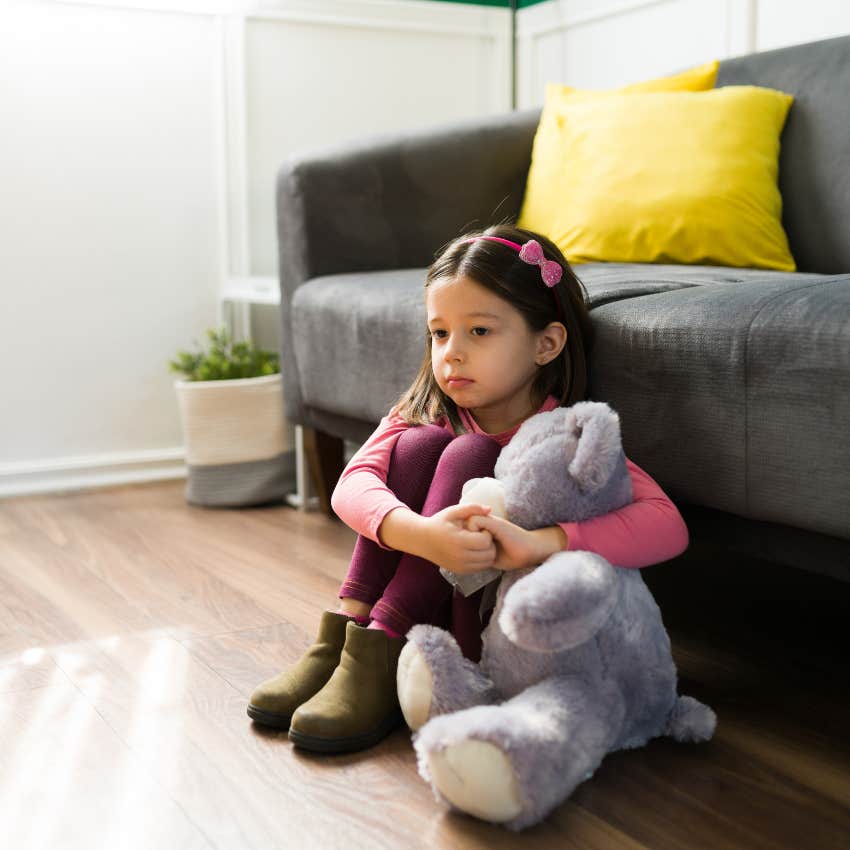
Many children quickly learn to read the emotional atmosphere around them. If every tear was met with comments like "Stop crying," or "Don't make a scene," a child may conclude that their emotions aren't welcome. Instead of expecting comfort, they learned to suppress whatever they were feeling before anyone else had to deal with it.
As adults, we often see this lesson show up in subtle ways. Someone may minimize their own struggles or change the subject whenever someone asks how they're doing. Children benefit when adults acknowledge their emotions instead of dismissing them because it teaches them that feelings are manageable rather than something to be hidden. When that validation is missing, emotional suppression can become the default.
2. "If I need help, I'm on my own."
Some children grow up in homes where caregivers are physically present but emotionally unavailable. Others have parents juggling overwhelming stress and responsibility, leaving little room to offer emotional support to their children. Even if the parent has the best intentions, a child may learn that asking for comfort or help rarely changes anything.
When this happens, self-reliance often becomes a survival strategy. People who experienced this become the friend who insists they don't need anything, even when they're clearly struggling. While that kind of independence is often admired, constantly believing you have to carry everything alone can make close relationships feel surprisingly difficult.
3. "Being easy to deal with keeps me safe."
 dimaberlinphotos via Canva
Some kids naturally notice that life feels smoother when they don't create extra problems for their parents. Maybe they became the easy child because a sibling demanded more attention, or because conflict at home made staying quiet feel like the safest option. However it happened, they learned that asking for less often meant fewer arguments and less stress for everyone else.
That habit can stick around for decades, if not their entire life. They may feel afraid or hesitant to speak up because of the potential for conflict or for making others feel bad. As adults, they rarely ask for favors and often prioritize everyone else's needs before their own, because they simply learned early on that taking up less emotional space was safer than asking others to make room for them.
4. "People won't understand what I'm feeling anyway."
Not every child grows up feeling emotionally seen. Some try to explain themselves to their parents, only to hear phrases like, "You're too sensitive," or "You're overreacting" in response. After enough experiences like that, trying to explain their inner world can start to feel pretty pointless.
Psychologist Carl Rogers famously believed that feeling genuinely understood is one of the core foundations of healthy relationships. Without that experience growing up, some people stop expecting others to understand them at all. They may have rich emotional lives internally, but struggle to put those emotions into words and express them. They no longer believe anyone will really listen or even understand where it is that they're coming from.
5. "Showing vulnerability gives people power over me."
Unfortunately, some children find that being vulnerable with their parents often leads to embarrassment. Maybe their siblings teased them for crying or their classmates mocked their fears, and when they shared their hurt with their mom or dad, their feelings were belittled, and they were made to feel foolish for their role in the situation. When experiences like that pile up, they teach a child that their emotions can and will be used as ammunition to hurt them.
Once they are adults, vulnerability feels less like an opportunity for connection and more like a risk. Opening up can feel uncomfortable and even scary. Even when they're surrounded by trustworthy people, they instinctively hold back.
6. "I have to figure out my feelings before I share them."
 Katerina Holmes via Canva
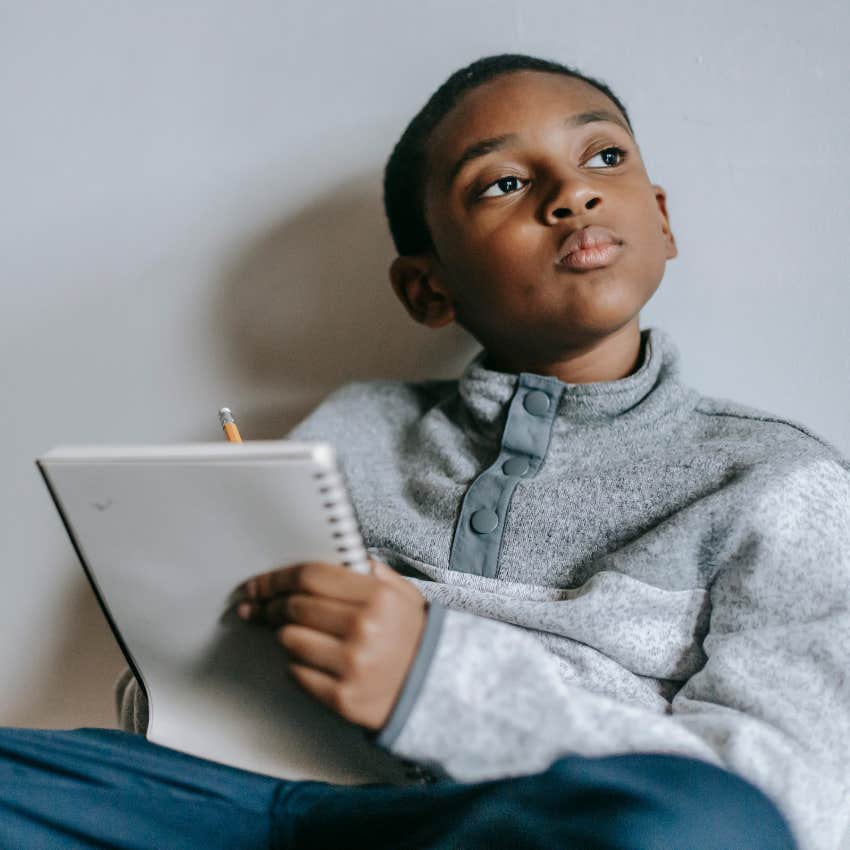
Not everyone hides their emotions because they're afraid of them. Sometimes they simply learned there wasn't any space for them to process their feelings out loud because their parents were too busy, or they had siblings with what the family saw as more important issues. Because they have to keep quiet, they become caught up in their own heads, sorting through every emotion privately before deciding whether it's worth mentioning at all.
This can make them seem emotionally distant, even though they're often thinking deeply about everything they're experiencing. The challenge is that by the time they've fully processed their emotions, the moment to talk about them has often passed. Friends and partners may assume they weren't affected by what happened at all, when in reality they've already worked through everything on their own.
Yessenia Munoz is a writer pursuing a Bachelor of Arts degree in English Literature who writes about lifestyle and reflective topics.

