
People Who Always Feel Like No One Understands Them Usually Learned 6 Lessons As Kids
 Karl K | Pexels
Some adults walk through life feeling like no one truly gets them. Even when they're surrounded by loved ones, they still feel emotionally alone. They feel unseen and misunderstood.
Of course, there are many reasons someone might feel this way, including personality differences and life experiences, but psychologists have recognized that our earliest experiences often shape how we expect other people to respond to us. If a child repeatedly learns that their emotions are dismissed or misunderstood, they may carry those expectations into adulthood without even realizing it.
People who always feel misunderstood likely learned these lessons as kids:
1. Expressing feelings creates problems
 Tanya Gorelova | Pexels
Some children grow up in homes where emotions are welcomed. Others quickly discover that crying, getting angry, asking questions, or expressing disappointment leads to criticism and punishment. After enough experiences like that, many children begin keeping their feelings to themselves.
At first, staying quiet feels like self-protection, but over time, it can become their default way of interacting with the world. They stop sharing because they've learned it feels safer to keep those feelings hidden. As adults, they may desperately want someone to understand them while also struggling to explain how they feel. They may even find it difficult to identify what they are feeling because they've spent so many years disconnecting from their own emotions.
The more they hold back, the more misunderstood they often feel. Learning to open up can feel uncomfortable at first, but with emotionally safe people, sharing a little more over time can make relationships feel more balanced.
2. Other people's needs come first
Children naturally learn empathy by watching the trusted adults around them, but some grow up believing their own needs matter only after everyone else's have been met. Maybe they became the responsible sibling who tried not to burden stressed parents with their own problems, or they tried to keep peace during family conflict. Over time, they became good at noticing everyone else's emotions while ignoring their own.
They knew exactly when someone else needed encouragement but struggled to recognize when they themselves needed rest or support. As adults, they make others feel heard by listening carefully and offering support. Yet, they rarely receive that same attention in return because they've unintentionally taught people that they're always the helper, never the one who needs help.
Sometimes the people around them don't even realize they're struggling because they're so used to seeing them as the strong one. Eventually, they begin wondering why no one seems to understand them, even though they've spent years making sure everyone else feels understood. Learning to share your own needs doesn't make you selfish. It gives the people who care about you a chance to show up for you, too.
3. Being accepted is more important than being yourself
 Salih Sezgen | Pexels
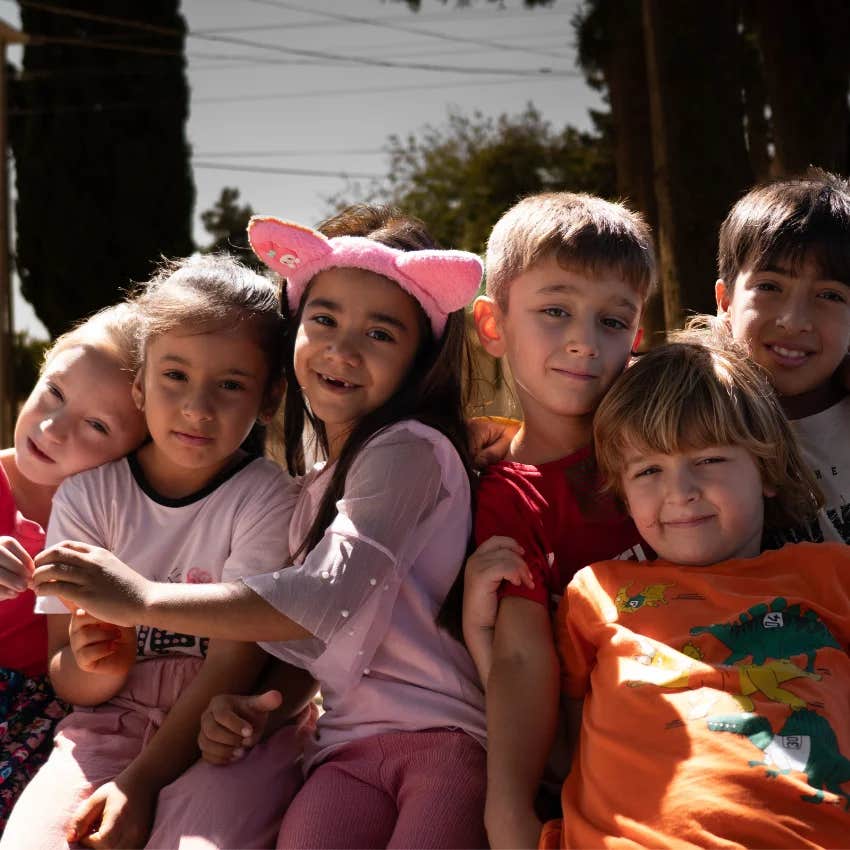
Children naturally want to belong. Scratch that. Everyone wants to belong. But kids who were teased or criticized when they expressed their individuality likely learned to edit their personalities to fit what others expected. They became quieter, more agreeable, or less emotional depending on what seemed safest. At the time, adapting was a way to protect themselves and avoid more hurt.
The challenge is that people can't fully know someone who's constantly hiding pieces of themselves. Even when relationships are healthy, adults who learned to wear masks may still feel unseen because they show only the version of themselves they believe others will accept. That can leave them feeling lonely even when they're surrounded by people who genuinely care.
Feeling understood often begins with allowing yourself to be seen. That doesn't mean sharing everything with everyone, but it does mean slowly letting trusted people get to know the real you instead of only the version you've learned to present.
4. Asking for help is unproductive
Some children grew up believing support was available when they needed it. Others learned that asking for comfort or even guidance usually ended in disappointment. Eventually, many stopped asking altogether because no one was reliable.
As adults, they handle problems alone even when people genuinely want to help. They carry on alone even when they're overwhelmed because that's what they've always done. They may secretly wish someone would notice they're struggling, but they likely won't say anything.
While it's not always easy, asking for help is a skill that can be relearned, and it can also help improve your mental health. The right people usually appreciate knowing how they can support someone they care about.
5. Don't expect understanding
Expectations shape perception. If someone spends years feeling dismissed, their brain naturally expects that to continue. That expectation can slowly influence adult behavior. To them, a harmless question may sound like criticism and a misunderstanding may seem like proof that no one ever truly listens. When you've been misunderstood enough times, it's easy to brace yourself for it before a conversation has even started.
Psychologists sometimes describe this as confirmation bias, where we become especially aware of experiences that reinforce beliefs we already hold. Early experiences can make certain patterns feel so familiar that they're difficult to question.
6. True understanding from others doesn't exist
 bbernard | Shutterstock
When children repeatedly feel emotionally unseen, they may stop expecting true understanding altogether. As adults, they sometimes keep people at a distance and assume others won't understand them. They may even pull away from healthy relationships because vulnerability still feels unfamiliar or risky. Ironically, those protective habits will make them feel more alone.
The good news is that childhood lessons aren't permanent life sentences. Therapy and honest conversations with loved ones can gradually teach people that being understood is about allowing themselves to be known by those willing to listen. It also means recognizing that healthy communication is a two-way street and people can only respond to what they're invited to understand.
Feeling misunderstood can be incredibly lonely. It often reflects the expectations your younger self learned in environments where emotional connection was inconsistent or unavailable. Practicing vulnerability and surrounding yourself with emotionally safe people can make it easier to experience the feeling of being truly seen and, ultimately, understood.
MeShanda Deason is a writer with a BFA in Creative Writing from Stephen F. Austin State University and minors in Business Communication and Literature who covers storytelling, culture, identity, and human connection across editorial, journalism, and marketing spaces.

