
Musical Empaths Usually Hear 9 Things In Songs That Everyone Else Completely Misses
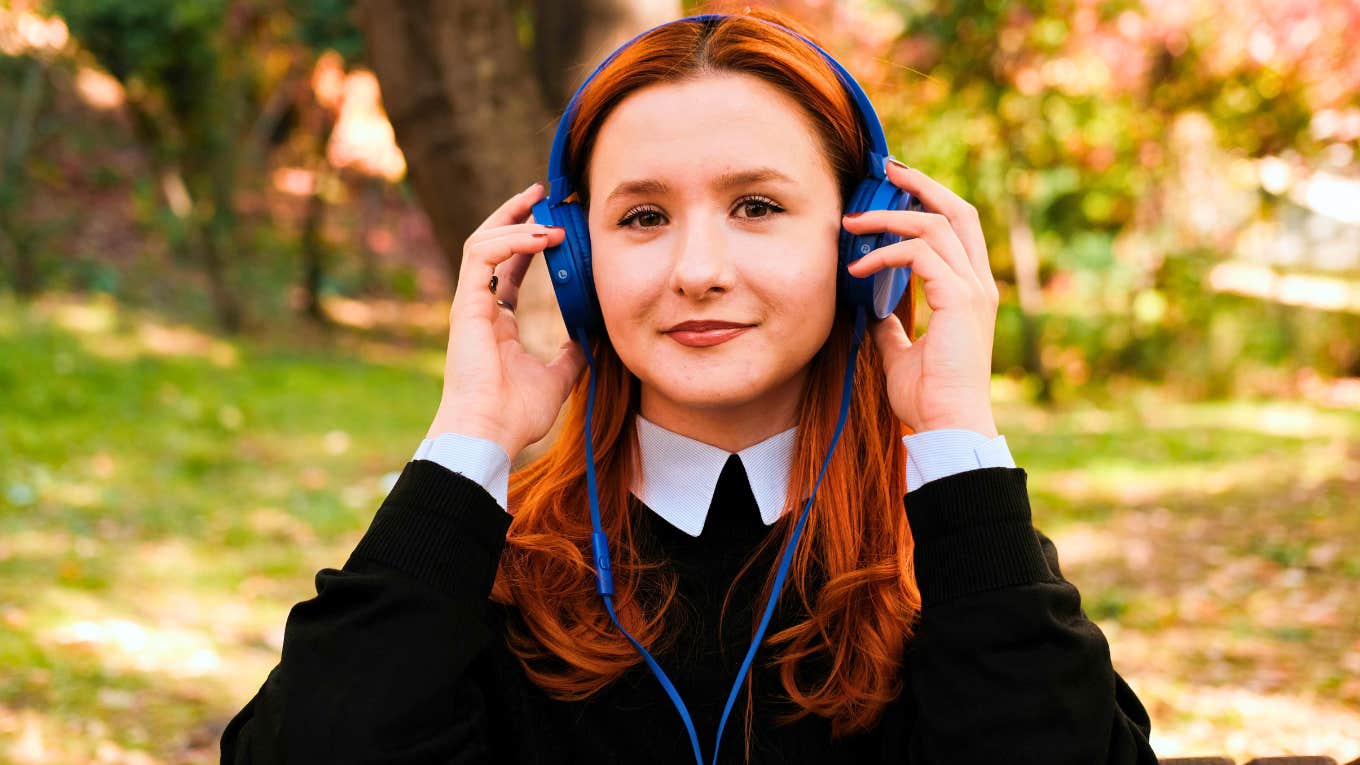 Beyzaa Yurtkuran | Pexels
On two very opposite sides of the spectrum, there are people who experience absolutely no pleasure when listening to music, coined "music anhedonia," and those who feel it all, experiencing "musicophilia."
Somewhere in the middle, there are musical empaths, who often find pleasure in music. But on a deeper level, they can place themselves in the minds of artists, feeling the emotions behind music. They're the kinds of people whose playlists always hit the spot, because they usually hear things in songs that everyone else misses completely.
Everyone else misses these things musical empaths hear in songs
1. The emotion behind instrumentals
 PeopleImages | Shutterstock
Even when an artist isn't singing lyrics or saying something out loud, a musical empath can still pick up on the emotional tones in the instrumentals and sounds. They're tapped into the emotional state of not just the music, but also the artist or musician who created it.
The context and environment of the person listening to music play a lot into how they feel it. But for a musical empath, emotions and connection are often the most influential, regardless of what they're listening to.
2. Nostalgic memories
Neuroticism is often tied to empathy, according to a 2022 study. Unsurprisingly, people with higher levels of neuroticism are also more likely to experience nostalgia when listening to music.
That's why musical empaths tend to be flooded with suppressed emotions and old memories while they're listening. They can hear memories in the art they're hearing, especially if it's tied to their own experiences or the artist's more abstractly.
3. Images and colors
They may not necessarily be hearing images and colors, but sounds and instrumentals from songs may tie to visual elements for someone with musical empathy. Much like synesthesia, a neurological experience where sounds can spark visual images and colors in the mind, these empaths are feeling things on such a deep level that it's influencing other sensory experiences.
Listening to music is a full experience for them, rather than an auditory distraction or background noise while they're working.
4. Signs of belonging
When someone can feel the intentions and emotions behind a piece of music, they may also be able to use it as a mirror. It's not just entertainment or resonant lyrics, but a piece of art that helps them see themselves in a better light. They hear perspectives and vulnerability that others miss, which also means they tend to find belonging in art that others overlook or underestimate.
In general, art tends to spark connection, but for empathetic people with a deeper understanding and appreciation of it, it can make them feel like they belong to something bigger. It may even reassure and remind them that they're not alone.
5. Dual meanings
 Drazen Zigic | Shutterstock
Music can feel like a part of our identity, especially for people who tend to understand and empathize with lyrics and sounds more deeply than the average person. We often create our own ideas about songs, but empaths pick up on an artist's intention quickly by reading into the meaning behind sounds or lyrics.
They can pick up on dual meanings because they're not just listening to music, but experiencing it fully. They may not have the musical knowledge to decode changes in someone's tone, but they have the emotional intelligence to understand what it means.
6. Their own repressed thoughts and feelings
Music is wonderful for emotional regulation and release. For empaths who feel things deeply, if they have a bunch of suppressed feelings they've absorbed from others, listening to music can create a safe space to work through them.
Sad music, much like sad movies and other kinds of media, are cathartic because they don't come with a clear threat. Yes, an empathetic person may feel sympathy for an artist or the experience, but they're not in any real danger or grappling with the guilt of inaction by listening to music that brings up complicated emotions.
7. Fictional stories
Empathetic people are often more imaginative when it comes to music. When they're hearing a song, they're also putting themselves in the world of someone else, and navigating a sensory-forward experience.
They notice storylines and metaphors that most people overlook completely, and may tie someone's lyrics to a fictional story they already know or imagine a person's life inspiring a specific song.
8. Poetry
When a normal person hears lyrics or sounds that are pleasant, a musical empath hears poetry. It might sound cliché, but it's true. They sense the deeper meaning behind the words and can make true artistry out of anything.
Engaging with music as poetry also raises their own empathy levels. It serves as a vehicle to connect with other people and artists, as well as with themselves.
9. Someone's soul or vulnerability
 MAYA LAB | Shutterstock
Art is inherently social in the way that it engages all parts of our humanity. Our vulnerability and identities all feed into how we process and engage with art across genres. But it also connects with the artist.
For a highly empathetic person, having a creation of theirs or a song they wrote is a way to understand them personally. They get a glimpse into their soul by listening to their songs, even if everybody else hyperfocuses on their own experiences.
Zayda Slabbekoorn is a senior editorial strategist with a bachelor's degree in social relations & policy and gender studies who focuses on psychology, relationships, self-help, and human interest stories.

