
Gen X & Boomers Still Do 8 Things With Their Mail That Younger Generations Never Learned
 pikselstock | Shutterstock
We're quick to judge young people when they don't know a practical skill, but it's usually because they never learned it.
Knowing where to put a postage stamp or even how to send a letter can feel foreign to young folks, especially with the convenience of digital communication at their fingertips. So, it's why there are things Gen Xers and boomers still do with their mail today that young people never learned, and likely won't, until they're forced to.
Things Gen X and boomers do with their mail that younger generations never learned
1. They shred mail before discarding it
 Dmitry-Arhangel 29 | Shutterstock
Most older generations are hyper-aware of privacy, not just when it comes to documents and information, but also their own family issues and lifestyles. They're socialized into a kind of social privacy, but also taught how to protect their personal information.
Similar to how Gen Zers and other young people had to learn about their digital footprint and safety in adulthood, older folks learned to protect their privacy by shredding mail before throwing it away.
2. They keep and file important letters
The average household gets around 69 pounds of junk mail every single year. So, it's no surprise that most people are in the habit of throwing out mail that they're not expecting. But older generations, born and bred in a hyper-analog time, tend to be more intentional about keeping and filing away mail, even when it's not something they need in the moment.
While Gen Zers might be savvy online with saving and storing important documents in their own ways, when it comes to physical pieces of mail, they're somewhat uncertain. If they don't have a filing cabinet passed down from parents or space to put tons of mail, it's out of their wheelhouse completely.
3. They postmark time-sensitive mail
When you're sending in a check for taxes or paying a bill, you can postmark your mail to ensure the receiving party knows it was sent or addressed before the deadline. While guidelines and expectations may shift depending on what the mail is for, most older generations know what kinds of things need to be marked by a post office worker and what things need to be received before the deadline.
But younger generations paying most of their bills online and utilizing online systems for taxes don't know the difference. Many don't even know what postmarking their mail means, let alone figuring out a process for ensuring their mail gets where it needs to go before any sort of deadline.
4. They use a drop box
 StockMediaSeller | Shutterstock
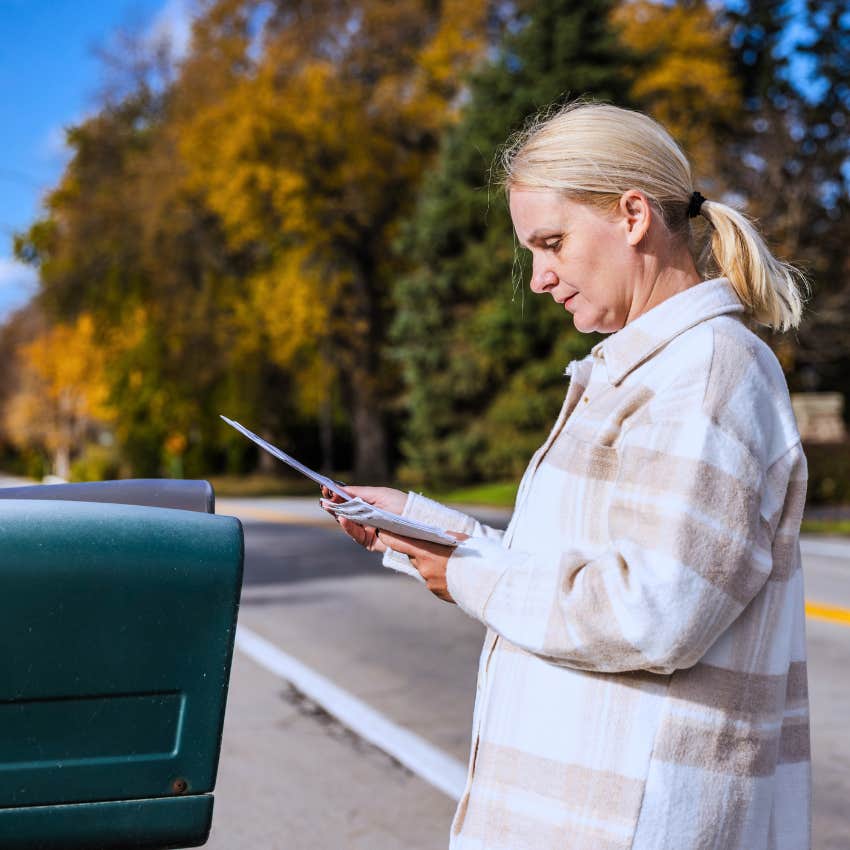
Many young people don't know the difference between mail that can be left in a convenient drop box and the kind that has to go to the post office to be weighed, marked, and sent.
While Gen Xers and boomers can save time using a drop box, buying stamps and addressing their own letters, many young people are entirely unfamiliar with the mail service. They end up making a trip to the post office for things they could realistically send from home.
5. They put other people's mail back in the box
If they get a letter or mail delivered to their home by accident, most Gen Xers and boomers know to write "return to sender" on the envelope and put it back in the mailbox. But for Gen Zers who were never taught about mail etiquette or sending letters, it's a completely foreign practice.
Considering that discarding or opening someone else's mail is a federal crime, it's alarming just how little many younger generations actually know about the process.
6. They sort mail into categories
Older generations often have a much larger volume of physical mail coming into their homes at a time compared to young people, so it's not surprising that they've created a system. Promotional items and old bills are placed in the shred pile. Their bills are in another pile to take action on and everything else is stored away or thrown out.
Instead of letting mail pile up or get shoved into a junk drawer, Gen Xers and boomers create a system for managing it with practicality and privacy in mind.
7. They write due dates on physical letters
If they're not immediately going online to pay a bill or writing a check to send physically, older generations often write the due dates on their physical mail to store away. Even if they're not paying a bill the moment they open the mail, they know exactly by when they have to complete it.
Younger generations probably never learned, or needed to learn, how to manage paper bills this way. Most are almost entirely paperless when it comes to their bills and expenses. They rely on email reminders and autopay options to make sure their bills are paid on time.
8. They keep their mailbox clear
 zhukovvvlad | Shutterstock
While Gen Zers may not check their mailbox every single day, as most of their communication is happening entirely online, older generations are often diligent about keeping their mailboxes clear.
Yes, it's a way to show respect to your mail carrier, but it's also just become a natural part of many Gen Xers' and boomers' routines. Checking their mail is as ingrained into their daily routine as checking their unread text messages may be for their younger peers.
Zayda Slabbekoorn is a senior editorial strategist with a bachelor's degree in social relations & policy and gender studies who focuses on psychology, relationships, self-help, and human interest stories.

