
People Who Hate Being Sung To On Their Birthday Usually Have 7 Reasons Attention Feels Awkward
 Andrii Iemelianenko | Shutterstock
Many of us need to be seen and yet can't stand it at the same time, according to psychotherapist Nick Luxmoore.
That's often one of the reasons people hate being sung to on their birthday. The attention feels awkward, even though we yearn for this kind of belonging and connection. On top of all the strange feelings that come from turning a year older, a simple birthday song can feel alarming.
Reasons attention feels awkward for people who hate being sung to on their birthday
1. They feel weird on their birthday
 Pixel-Shot | Shutterstock
Many people feel a weird "birthday depression" when they're approaching a birthday and turning another year older. The passage of time becomes all too real.
Yes, this weirdness and depressive symptoms sometimes stem from bigger mental health disorders, but most of the time, it's by the reflection that occurs around this time of the year.
We may not be where we thought we'd be, and it's difficult to celebrate. That's part of what makes being sung to and celebrated on our birthdays awkward. We already feel strange and uncertain inside.
2. They're already self-conscious
Being perceived by others can sometimes illuminate the insecurities we already face on our own, especially if we're feeling particularly insecure.
We worry about what other people think and notice, and often get anxious about how we're being judged. Even at a birthday party with friends we know and trust, that awkwardness can bubble up when everyone's eyes are on us.
3. They're easily overwhelmed
Many introverted and highly sensitive people are more vulnerable to overstimulation, even around everyday information and sensory experiences. For example, being at a birthday party and listening to everyone singing the birthday song to you can feel stressful and overwhelming, hence the awkwardness and instant desire for it to end.
Introverts also tend to prefer small, intimate social settings. So, if there are tons of people at their homes, huddled around them and singing, it's going to feel like too much.
4. They're holding onto past trauma
Sometimes, that awkward feeling of everyone singing to them on their birthday as an adult can stem from past trauma and discomfort. They may have had a childhood birthday party turn sour or have feelings of shame tied to being the center of attention.
Even if it's not obvious what their uncomfortable feelings are tied to, people who dislike their birthday may feel uncertain and uneasy being the center of attention.
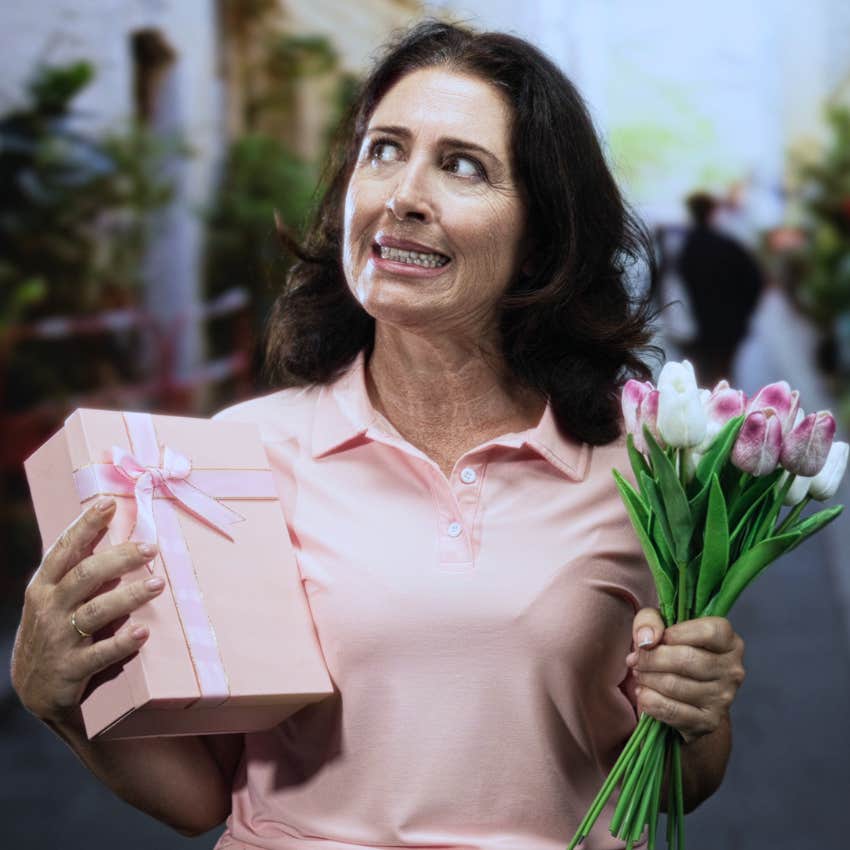
5. They're used to being observers
 Krakenimages.com | Shutterstock
For introverted people who tend to appreciate being listeners and observers, being the center of attention on their birthday can feel like a lot of pressure.
Despite being draining in overstimulating environments, they feel pressured to seem okay when someone's singing happy birthday or when they have to thank everyone for gifts while also being in the spotlight.
Introverts also tend to have a lower general self-esteem than extroverts, according to a 2020 study, which can make being the center of attention in these unsuspecting situations a lot more awkward and difficult to navigate.
6. They're embarrassed
Embarrassment, and sometimes shame, don't always stem from social rejection. Sometimes, simply being perceived and having insecurities or flaws come up can make someone feel uncomfortable.
Even in small doses, like sitting at your own birthday party and being the center of attention, feeling embarrassment can urge us to hide inside of ourselves. Without the ability to regulate through discomfort or tolerate moments like this, we may demonize these little joys entirely out of fear.
7. They feel pressured to perform
When everyone's looking at you and you're very obviously the center of attention, it can create a pressure to perform. Every smile or comment is being perceived, and in moments like this, being sung to at a birthday party can feel like you're stuck in that space without any freedom.
It often evokes a kind of fear response that we don't even realize we have. Suddenly, we feel trapped and stifled, not because there's any apparent danger, but because we're being watched so intently.
Zayda Slabbekoorn is a senior editorial strategist with a bachelor's degree in social relations & policy and gender studies who focuses on psychology, relationships, self-help, and human interest stories.

