
Someone With Zero Empathy Almost Always Says 10 Phrases In Casual Conversations
 Krakenimages.com | Shutterstock
Kindness is being replaced by narcissism and entitlement in our culture today. However, that doesn't make compassion any less needed.
Compared to someone who goes out of their way to help others and cares about understanding someone's experiences, a person with zero empathy, and all the phrases they often say in casual conversations, stick out like a sore thumb. We need empathy and compassion, and someone operating without it is a reminder of how necessary it really is.
Someone with zero empathy tends to say these phrases in conversations
1. 'That happened to me'
 StockPhotoDirectors | Shutterstock
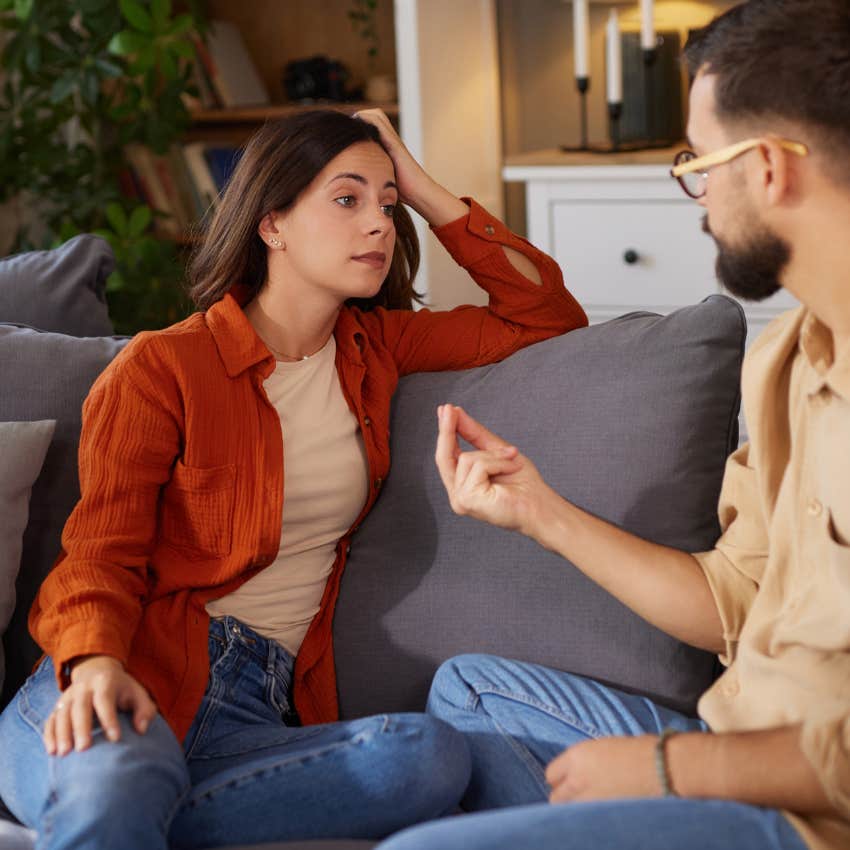
Even when someone's being vulnerable and open about their struggles, people lacking empathy prefer to take the spotlight. It's obvious they care more about their own comfort and attention than actually showing up to support others. "That happened to me," and other one-upping behaviors, are instant reminders that someone is selfish and uncaring.
They're the opposite of an active listener because their primary focus is to talk about themselves and seek attention. If someone's not helping them fill their insecure void in those ways, they're not worth spending time and effort on.
2. 'It's not that hard'
Over-simplifying complex topics and not giving grace to people is how someone with narcissistic tendencies controls others. They make themselves feel good by pretending to know everything, but create a wave of frustration in their path.
Sometimes, it's phrases like "it's not that hard" that make a person lacking empathy instantly noticeable. If someone is consistently making you feel worse about yourself and blaming you simply for asking for the bare minimum, chances are they're not empathetic.
3. 'I never said that'
Gaslighting is all about distorting someone's sense of reality and making them doubt themselves. People without empathy do it all the time, using phrases like "I never said that" to protect themselves and cover their own tracks.
They don't care if their self-preservation and defense tactics ruin someone else's self-esteem, because they don't care about anyone but themselves.
4. 'Just calm down'
People with low levels of empathy and high levels of narcissism are far more likely to engage in gaslighting behaviors because they're accepting of the deception it relies on. They don't mind making someone else feel doubtful by lying and exaggerating things, especially if it helps their self-image and needs.
"Just calm down" on the surface might seem harmless, but when it's dismissing someone's experience and invalidating their emotions to protect another's comfort, it's incredibly manipulative and toxic.
5. 'You wouldn't understand'
 brizmaker | Shutterstock
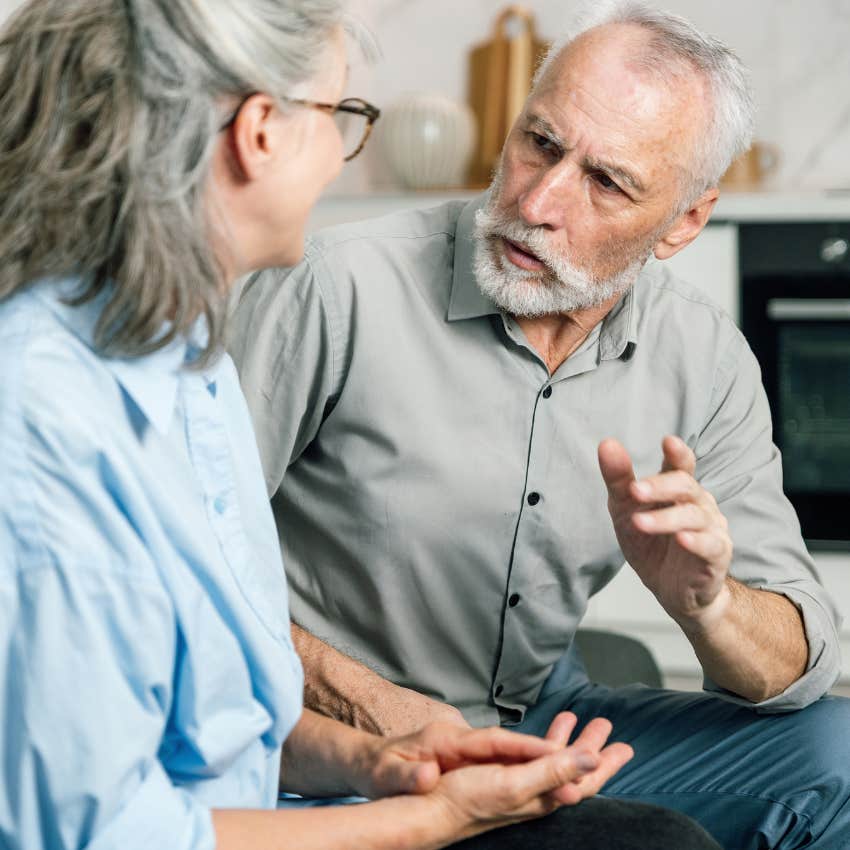
While having some kind of superiority complex is common for many people, according to clinical psychologist Aimee Daramus, for people without empathy it's on an entirely different level. They need to be better than anyone to feel secure in their self-worth, even when it's impossible.
From lying to pretending to be smarter, and even leveraging overconfident mentalities, phrases like "you wouldn't understand" are traps. They're superior knowledge traps, where someone refuses to offer empathy and understanding to someone they believe is below them.
6. 'I didn't ask'
On top of jealousy when they're not getting pity, someone with zero empathy will regularly turn envious when someone's accomplishing something or succeeding. They can't just be happy for someone because they need to be the main character.
They need to be the ones succeeding. They can't make space for others because it feels like it chips away at their incredibly fragile ego and self-worth. It turns out that envy and empathy are related, with an increase in jealousy sparking less empathy over and over again. It's a cycle.
7. 'That's not my fault'
While narcissistic people can regret decisions looking back, usually when they negatively affect themselves personally, they often lack remorse. Not only are they more interested in protecting their self-image than apologizing when they hurt someone, but they play the victim constantly when it suits them.
They might occasionally apologize when other people are watching, or if it's clear to everyone that they're in the wrong and there's nowhere to run. However, most of the time, you'll hear "that's not my fault" or "you sound crazy" instead.
8. 'I'm not doing that'
Many entitled people cling to their idea of boundaries as a justification for not inconveniencing themselves or showing up for people. They say "I'm not doing that" and refuse to compromise in relationships, only to turn around and weaponize their sense of misguided agency when someone's upset.
In their minds, they can do no wrong. But that doesn't stop them from policing other people and being overly critical.
9. 'Sorry you feel that way'
 Geber86 | Shutterstock
Instead of actively apologizing for making a mistake or owning up to their behavior, a person lacking empathy will resort to a phrase like this. They're not sorry for what they did, they're just sorry they got caught or made someone feel bad enough to call them out.
Heartfelt apologies help people feel heard and validated for what they went through. But someone avoiding accountability and justifying their own behavior with excuses like this only makes people feel dismissed.
10. 'That sucks'
When someone expresses their hurt or shares a sad story with a person without empathy, you can often spot them by their lack of care and remorse. They almost always say "that sucks" instead of "How can I help?" or "I'm sorry you went through that." They usually don't care to understand or ask questions about someone's experience when they're missing out on pity or attention.
We often think about people without empathy in the realm of jealousy, especially when someone is accomplishing something. But in reality, these entitled people are also upset when something bad is happening. They want all the attention, both good and bad.
Zayda Slabbekoorn is a senior editorial strategist with a bachelor's degree in social relations & policy and gender studies who focuses on psychology, relationships, self-help, and human interest stories.

