
People Who Are Slowly Losing Their Capacity For Empathy Usually Say 8 Phrases In Casual Conversation
 Fernando Privitera | Shutterstock
Even understanding people have moments when empathy doesn't come easily.
When someone feels stuck in their own experience and overwhelmed with what they've got going on, considering someone else's feelings can feel like one more thing they don't have room for. That doesn't mean they've stopped caring, and needing a break isn't the same as losing empathy, but when brushing off other people's struggles becomes a habit, it can suggest their capacity for empathy is wearing thin. These phrases start to show up in casual conversation as someone becomes less willing to understand what others are going through.
People who are becoming less empathetic say these 9 things:
1. 'I've heard this before'
 Mladen Mitrinovic | Shutterstock.com
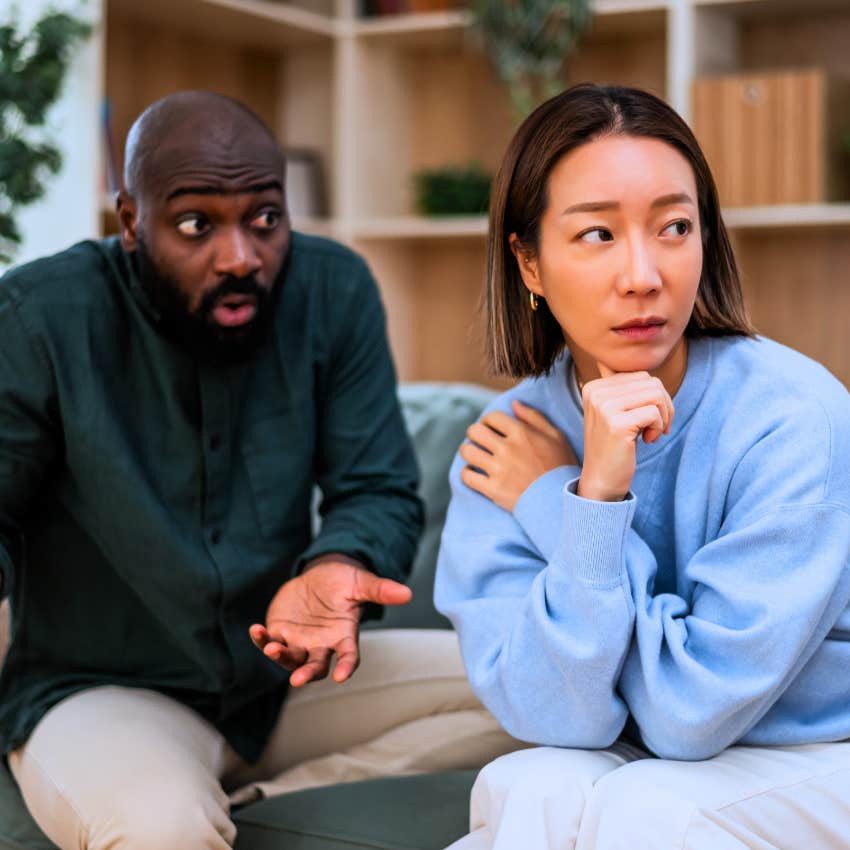
For people who’ve been through trauma or experienced the same struggles over and over again, those things can feel like evidence for a misguided truth. Whether it’s “people are bad” or “this person can’t be trusted,” the more evidence they experience that aligns with those beliefs, the more foundational they can become.
So, if someone’s been in a million bad relationships or felt betrayed in a million different ways, it can sometimes feel like their empathy is taking the biggest hit. They say “I’ve heard this before” or compare people’s actions to those of people from their past, using them to justify avoidance or frustration.
2. 'They're adults. They'll figure it out'
If someone’s stressed out or holding resentment in a relationship, you might hear slightly unempathetic phrases like this one in conversation. “They’re adults” and “they can figure it out” are manifestations of their frustration, whether it’s with a friend avoiding a conversation or a co-worker complaining about their workload.
If they’re caught up in their own struggles and stressors, it can be much easier to not consider someone else’s experience, even if it harms the entire relationship in the long run.
3. 'Everyone's got a lot going on'
Empathy takes mental effort, and people aren't always willing to put that effort in. A 2019 study published in the Journal of Experimental Psychology: General found that people were more likely to avoid empathizing when they saw it as mentally demanding. Saying "Everyone's got a lot going on" can become a way to brush off someone's struggles without taking the time to understand them.
4. 'They made their choice. Now they have to deal with it'
Just because someone made a mistake or made a choice that didn’t play out in the way they’d hoped doesn’t mean that you can’t empathize with what they’re going through. The consequences of a mistake at work or the fallout of a breakup with someone you didn’t approve of don’t make the person’s feelings any less real. You can acknowledge their pain without agreeing with their choices or taking responsibility for fixing the situation.
“Now they have to face the consequences” and “now they have to own it” might actually be a sign of resentment or personal struggle. It’s much less a reflection of someone else’s choice and more a reflection of stress, anxiety, or frustration that someone’s harboring inside.
5. 'They're being dramatic'
 PeopleImages | Shutterstock.com
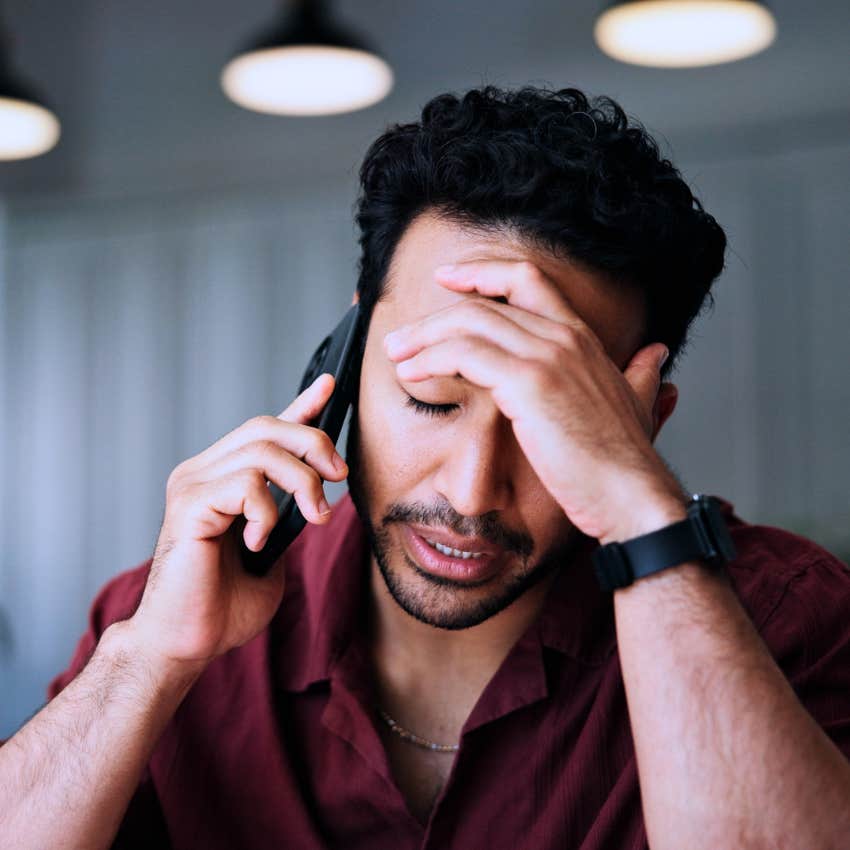
When someone lacks empathy, dismissing and invalidating other people’s feelings is one of the most common symptoms. Some people, like those with narcissistic tendencies, may consistently overlook empathy. However, for someone with a lot on their plate, resentment or stress following them around, a phrase like this might be a side effect of something they’re struggling with personally.
It’s not that they don’t care about someone. It may not even be that they think someone’s feelings are truly invalid. They just have the emotional capacity to consider one person’s feelings and struggles in the moment, and it’s their own.
6. 'I'm not getting involved'
Many people with a radical sense of empathy don’t just feel and try to understand other people’s emotions, but also take a front-seat approach to helping them deal with those emotions and their struggles. However, if someone already has enough on their plate or is dealing with chronic stress that’s making irritability and impatience bubble up, a phrase like this isn’t uncommon.
“I’m not getting involved” is their way of protecting their peace, even if it’s somewhat subconscious. They don’t have the emotional energy to understand someone’s perspective, let alone play a role in helping them solve problems or work through emotions.
7. 'I can't have this conversation anymore'
Emotional empathy involves sharing in someone else's feelings, while cognitive empathy involves understanding their perspective. When the same difficult conversation keeps coming up, someone may start responding with frustration instead of trying to understand. It can get exhausting quickly when someone keeps having the same conversations and making the same mistakes over time.
For example, a friend in your life with a victim mentality might cause resentment. The more they avoid ownership of their feelings and complain without making any changes, the less empathy we have for their situation as a whole. You may still love and care about them, but at some point, “I can’t have this conversation anymore” might come up, whether it’s spoken out loud or not.
8. 'What am I supposed to do about it?'
 we.bond.creations | Shutterstock.com
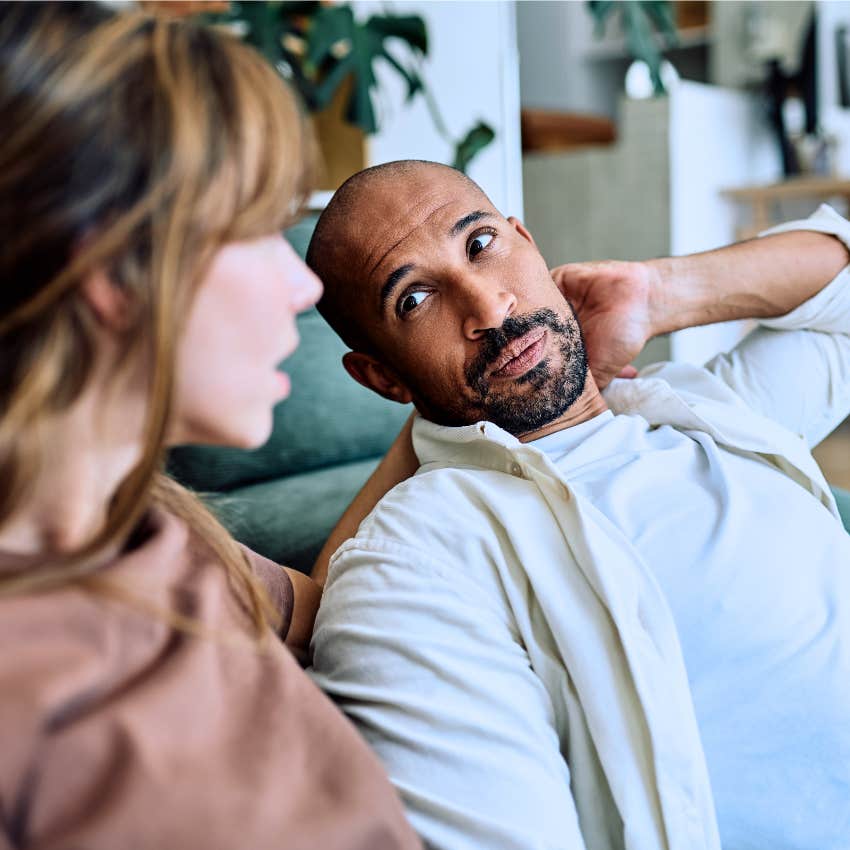
Empathy doesn’t always require action. It’s possible to put ourselves in someone else’s shoes without having to walk in them. We can validate someone’s experience, consider their feelings, and make space for their thoughts without taking ownership of fixing anything.
However, when someone feels responsible for helping the people in their life fix everything, rather than just empathizing with them, the two can feel jumbled together. Every time someone brings up an issue or a strong emotion, it feels like another task added to their plate. Of course they start losing empathy; because the boundary between emotional validation and action feels vague.
Zayda Slabbekoorn is a senior editorial strategist with a bachelor’s degree in social relations & policy and gender studies who focuses on psychology, relationships, self-help, and human interest stories.

