
People With A Serious Entitlement Problem Often Say 6 Condescending Phrases To Restaurant Servers
 AJR_photo | Shutterstock
Sometimes people eating out can be inconsiderate and condescending to servers the point of being ridiculous. This mostly comes from a lack of insight into what it is like on the other side.
Some restaurant customers have no clue what it's like to be a server. Waitstaff need to multitask, prioritize, be kind, smile, listen actively, anticipate needs, and do it fast, often earning less than minimum wage and relying on tips to survive.
Entitled people often say these condescending things to restaurant servers:
1. 'Sweetheart, honey'
 Monkey Business Images | Shutterstock
Therapist Dr. Gloria Brame realizes someone could write a whole book about the uncivil, arrogant things people say to servers, retail clerks, and customer service workers every day. These phrases reveal varying degrees of social-intelligence gaps.
You cross boundaries when you call an unfamiliar server "sweetheart," "honey," or other endearments. This is their workplace, and being objectified isn't in their job description. The worst offenders escalate this by openly flirting, putting servers in the super-awkward position of having to smile through it because they depend on tips. "Hey, sweetheart." Nope, not sweetheart to you, thanks.
2. 'Hey, you'
 Ground Picture | Shutterstock
Dr. Brame continues: Some restaurant customers treat waitstaff like personal servants. They order them around, make jokes at their expense, and know the server will put up with their disrespect to earn a tip. "Hey, you!" No, you are mistaken, not me at all.
This is directly connected to the racist history of tipping in the USA, as explained by the Shriver Center on Poverty Law. "Tipping proliferated in the United States after the Civil War, when the restaurant and hospitality industries hired newly emancipated Black women and men but offered them no wage, leaving them to rely on patrons’ gratuities for their pay instead. Simply put, tipping was introduced as a way to exploit the labor of former slaves."
3. 'Do you know who I am?"
 Estrada Anton | Shutterstock
Dr. Brame adds one more. People who say, "Do you know who I am?!" are the most clueless. These customers try to intimidate servers by yelling, name-dropping real and imaginary connections (mostly imaginary), or threatening to get them fired. It is disturbingly anti-social.
People with high social intelligence treat service workers the same way they treat other professionals: with basic respect and courtesy. Social intelligence isn't about our social status; it's about our humanity toward one another. "Do you know who I am?" With this condescending phrase, a customer is about to get the bare minimum of service, accompanied by a grimace.
4. 'What's your name in case I need to get your attention?'
 Basilico Studio Stock | Shutterstock
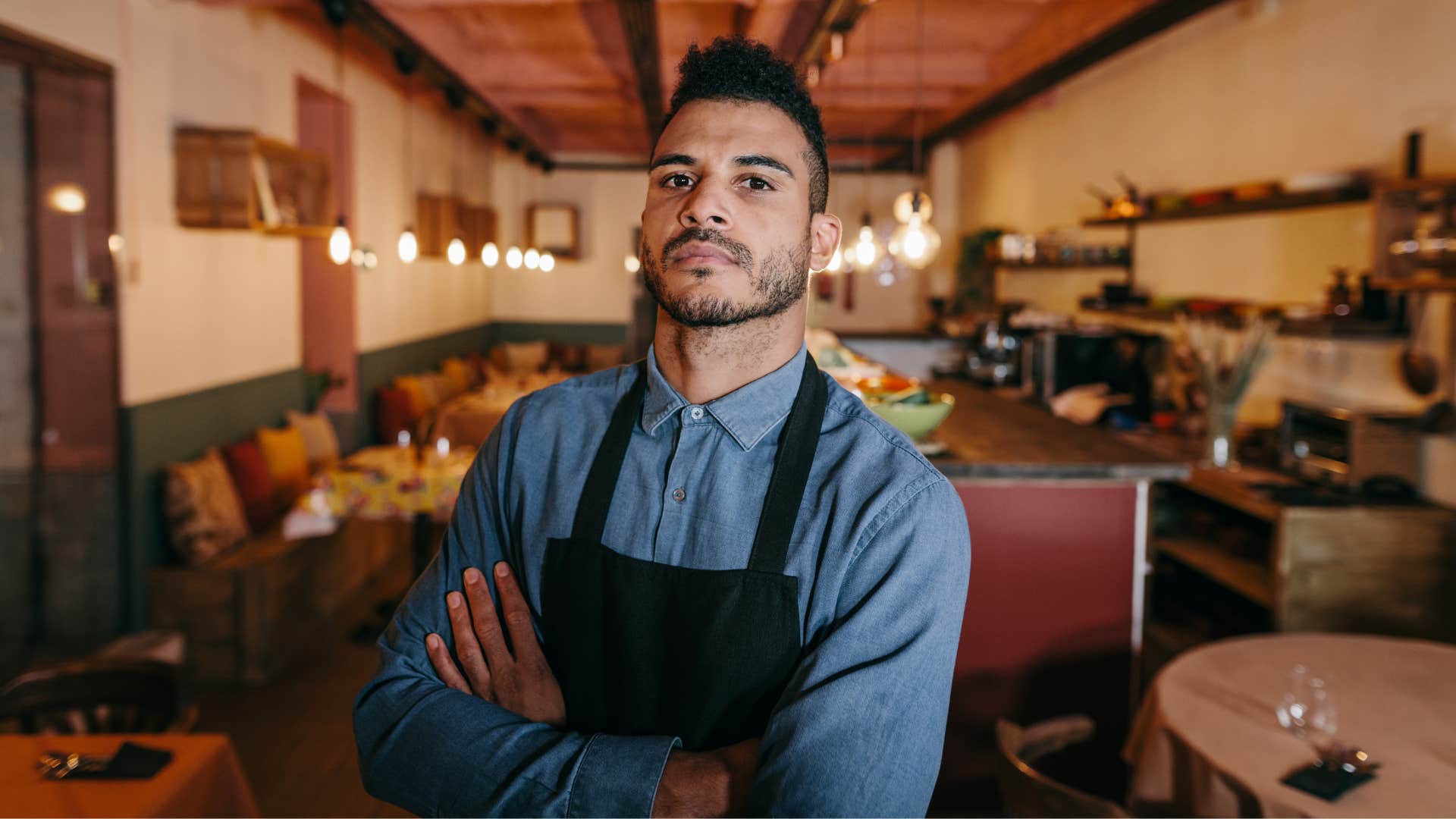
'What's your name in case I need to get your attention,' is something counselor Larry Michel has heard used far too often. The customer might think they are being preemptive, but in reality, they are setting up a self-fulfilling prophecy.
Expecting to get the waitstaff's attention by shouting out their name often indicates the patron has had poor service in the past, usually because they were rude to the staff. Thus, the customer expects poor service from every service worker. So instead of accepting that the wait staff can do their job, the customer projects an expectation of poor service, which is why they get less attentive service. The wait staff knows they won't please them.
5. 'Could you hurry up?'
 PR Image Factory | Shutterstock
No matter the phrase, using a classically classist tone is never okay. It's all in the tone of voice, because some people can't treat waitstaff as full-fledged human beings, observes life coach Susan Allan. Conversely, those who grew up to treat staff as equals, people they depended on to get their jobs done, know better. So it's a question of experiencing tremendous gratitude for people who do things you need done and don't want to do yourself, including the waitstaff, cleaners, and everybody else in the service industry.
6. 'Your tip depends on your performance'
 BearFotos | Shutterstock
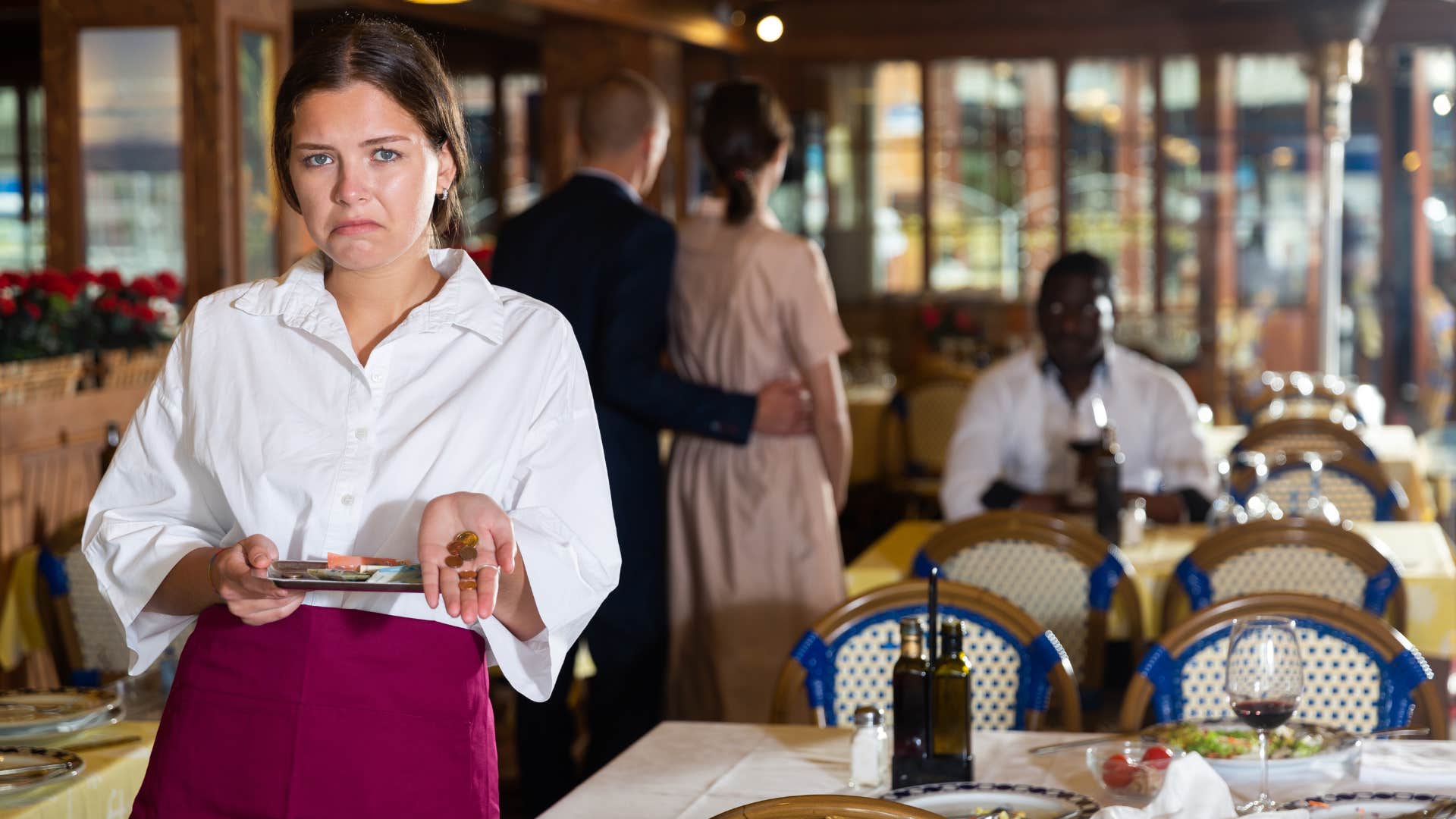
Then, after saying this condescending phrase, they put a stack of dollar bills on the table and give either a slight glare or a crooked grin, editor Aria Gmitter explains. Nothing says "I lack social intelligence" like someone who goes to a restaurant and makes it clear they won't tip based on the bill's total, but on their definition of quality service.
Some people love to be rude to servers, and when I worked in food service, a man would place a stack of dollar bills on the table and say, "Your tip depends on how happy I am with your service." The moment his rear hit the seat, the clock started ticking, and if he was unhappy with how long it took to bring him the menu or fill his water glass, he'd take away several dollar bills. He called it incentivizing. The staff would call it another word.
Everything about him made it hard to feel good about taking care of his table. His attitude, body language, and words were so negative. I wish he were the only person I'd ever seen do this. I have seen people put pennies on a table under a glass of water, upside down!
Approaching the dining table with an all-about-me mindset is unappetizing. Yes, a server's tip is a gratuity. But it's just rude to tell someone how to do their job by degrading them. And if you're stuck sitting at a table with someone like this, you feel embarrassed to be associated with a louse.
When a customer drops any of these rude phrases or their like, they set off a chain reaction. The waitstaff flags them as difficult. If they are dining with someone else, that person is likely cringing inside at their companion's behavior.
Will Curtis is YourTango's expert editor. Will has over 14 years of experience editing relationship, spirituality, and human-interest topics.

