
People Who Are Brilliant At Defusing Conflict Usually Use 11 Phrases In Tense Conversation
 Mix and Match Studio | Shutterstock
When someone is angry, their emotions can cloud their judgment, making it hard to resolve issues rationally. When you use one of these calming phrases to help someone calm down, you show empathy by acknowledging their feelings and showing you care about their perspective, which helps them feel heard. This can diffuse their anger and create a space for open dialogue.
Taking responsibility, or even suggesting solutions, not only helps you understand their side but also builds mutual trust and respect, and in the long run, these phrases can strengthen the relationship.
People who are brilliant at defusing conflict usually use these phrases when conversations get tense:
1. ‘It seems this means a lot to you. Help me better understand your concerns’
 fizkes | Shutterstock
By saying this phrase, you validate their side of the argument, and having them explain it further shows you are interested in knowing more about it. This approach shows empathy and encourages another person to open up. Knowing where someone is coming from and asking them to explain their viewpoint is a great way to help understand the issue at hand.
“Exposure to diverse perspectives not only reduces prejudice but also improves critical thinking and decision-making,” says professor of psychology Dr. Mitchell B. Liester, M.D. When you understand someone's perspective, you can find common ground and work toward resolving conflicts more thoughtfully.
2. ‘You’re not usually like this. What’s going on?’
 Prostock-studio | Shutterstock
If someone is behaving out of character because of frustration, it may be best to ask what is going on that has them so frazzled. If they’re not ready to talk about it yet, you can tell them to take their time and talk to you when they are ready. People tend to open up when they feel comfortable with someone.
A study from Cornell University found that 79% of people had conversations with someone close, like a romantic partner or a family member. This suggests that regular conversations are a significant part of people's daily social interactions, especially with those they've known for a long time. Nobody knows you better than those closest to you, who speak to you on a day-to-day basis.
3. ‘I can see you’re angry and I would feel the same in your shoes’
 fizkes | Shutterstock
Telling someone you understand is the first step in any relationship, but the second is trying to solve the issue you're facing. This response helps de-escalate the situation and invites you to work through the problem together, rather than letting anger or frustration drive a wedge between you.
“When I see individuals or couples, I look for what they don’t talk about as much as what they do; often, the solution to their problem lies in what they are avoiding,” says author Robert Taibbi, L.C.S.W., suggesting that solving the issue together ensures that there is a cooperative approach instead of a more confrontational one.
4. ‘I am sorry for how things went down’
 SeventyFour | Shutterstock
Offering a heartfelt apology can often break the tension between the two of you. Typically, this response shows one party expressing regret or remorse about how a situation unfolded. This kind of apology usually acknowledges that the outcome was negative or hurtful. It also indicates that they’re open to reconciliation or a dialogue, and how you respond will depend on where you are emotionally in the situation.
Researchers Ian C. Fisher, MS, MA, and Richard M. Frankel, Ph.D., studied medical students and how they apologized to patients after a mistake. They found that for an apology to feel complete, someone had to include four key elements: acknowledgment, explanation, regret or remorse, and reparation. Their study also found that the timing of the apology seemed less important than its completeness in determining how the recipient felt about the situation.
5. ‘I appreciate you sharing how you feel with me’
 fizkes | Shutterstock
This response shows you value their emotions and the effort it took to share their feelings. It validates their feelings and encourages continued honest communication. Expressing gratitude for their openness can build mutual understanding.
“Feelings have a stronger impact on bonding,” says clinical psychologist Susan Heitler, Ph.D. Verbalizing what someone is going through can clarify what they are experiencing and why, which is the first step toward emotional processing and healing. In conflict, it lets both of you express your perspectives clearly and gives the other person a chance to respond.
6. ‘I’m really sorry if I came across that way, it wasn’t my intention at all'
 simona pilolla 2 | Shutterstock
A clarifying apology can help clear up misunderstandings. This kind of apology clarifies your intentions, showing that you didn't mean to upset someone but that you recognize it may have happened. It helps acknowledge that you are apologizing and, hopefully, smooth things over. It also emphasizes that both sides are open to resolving any potential miscommunication.
“Try to rehearse the conversation in your mind before you speak,” says psychologist Loren Soeiro, Ph.D. "Miscommunications often happen out of impulsivity, and when someone is angry, they may say things they regret in the moment. It’s best to plan conversations in your head before saying them out loud."
7. ‘You were right, I could have handled it better'
 fizkes | Shutterstock
Owning up to your part of the situation can make the other person feel more at ease. By saying this, you acknowledge your mistake and take responsibility for how you responded or behaved. It's a form of self-reflection where you recognize your actions could have been better, and you validate their perspective.
Philosophy professor Iskra Fileva, Ph.D., explains that it's irrational to refuse to admit your own mistakes, and when you don't, you make yourself look worse to others than you would have had you insisted you were in the right in the situation. Sometimes it’s better to just accept defeat and move on.
8. ‘I may have misunderstood the situation’
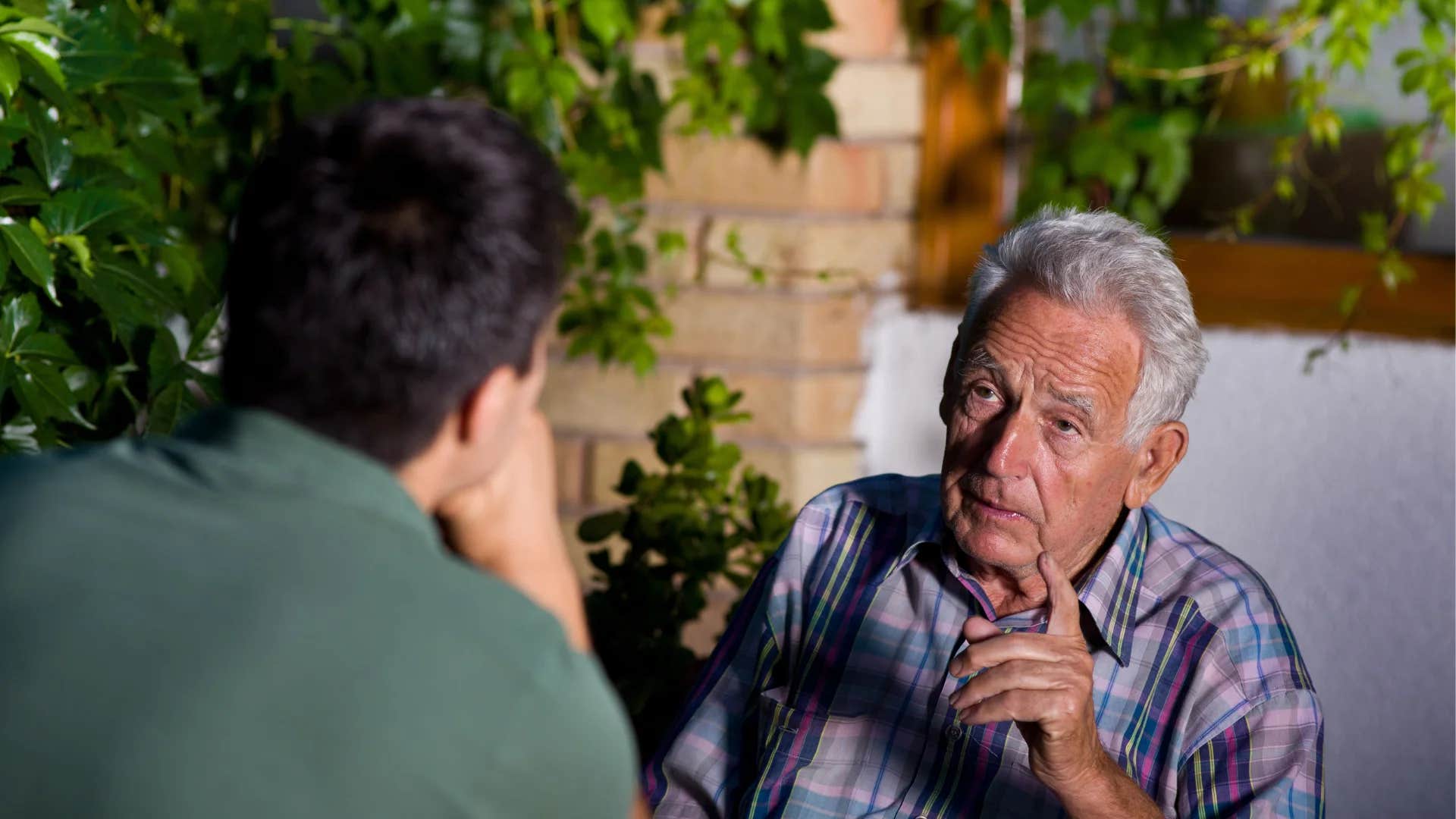 Budimir Jevtic | Shutterstock
Asking for clarification helps keep the conversation constructive. Many disagreements arise from misunderstandings or different viewpoints. When you say this phrase, you're expressing humility and openness to the possibility that your perception of what happened might not be entirely accurate.
It shows a willingness to reconsider your stance, and it can help prevent escalation by opening the door to better understanding. “It takes a great deal of self-control not to retrace your steps and try to constantly explain yourself so that people might see a situation the way you see it,” says couples counselor Cami Ostman, M.S. By misunderstanding a situation, you also risk being misunderstood yourself.
9. ‘What can I do to make this right?’
 Prostock-studio | Shutterstock
Making things right with someone involves acknowledging what went wrong, taking responsibility, and showing a willingness to repair the relationship. It also involves recognizing what happened and the impact it had on the other person; this shows you understand how your actions or words affected them.
Offering a solution can help turn the situation around and show you're willing to help. Let them know how you plan to avoid repeating the same mistake in the future. For example, “I’ve thought about how I can handle situations like this better next time, and I’m going to work on it.” This can show you’re committed to improving.
10. ‘I didn’t realize that upset you. I will be more mindful in the future’
 Goksi | Shutterstock
Being more mindful in the future is key to improving relationships and avoiding repeated mistakes. Take a moment to think before you speak or act, especially when emotions are involved. This can help you respond more thoughtfully rather than reacting impulsively. It also shows self-awareness and a commitment to changing your behavior.
Be aware of how your words and actions impact others. Think about the long-term effects of what you say or do, especially in sensitive situations. For example, if you're giving feedback, ensure that it's constructive rather than critical or harsh. Being mindful isn’t about being perfect but, more about making an effort to be better.
11. ‘I value our relationship and I want to fix this’
 Prostock-studio | Shutterstock
Valuing a relationship and wanting to fix things shows a deep commitment to maintaining a meaningful connection. Reinforcing the relationship's importance helps shift the focus from conflict to resolution. Relationships take effort, and your willingness to take the necessary steps is already a positive sign of your commitment to repairing and strengthening the connection.
Communication is key when fixing things in a relationship. Be open about your feelings and encourage the other person to share theirs. Sometimes, fixing things requires patience. The other person may need time to process the situation and their emotions. Respect their space, but also show that you are there when they’re ready to talk.
Sylvia Ojeda is an author who has over a decade of experience writing novels and screenplays. She writes about self-help, relationships, culture, and human-interest topics.

