
Schools Have Banned 11 Old-School Games They Think Kids Today Are Too Fragile To Handle
 PeopleImages | Shutterstock
Going to school is about more than learning how to spell and multiply. It also provides kids with a social education, teaching them how to make friends and solve problems. But school is also about having fun. Despite this, schools today are banning a lot of classic games to protect kids, believing they're too fragile.
Recess is just as important as academics. So, as a result of these games being removed from curriculums and free time, kids miss out on the opportunity to learn essential life skills, like fairness and speaking up for themselves. While these bans may have good intentions behind them, they keep kids from realizing their own capabilities.
Schools think kids today are too fragile, so they banned these old-fashioned games
1. Dodgeball
 Hero Images from Getty Images via Canva
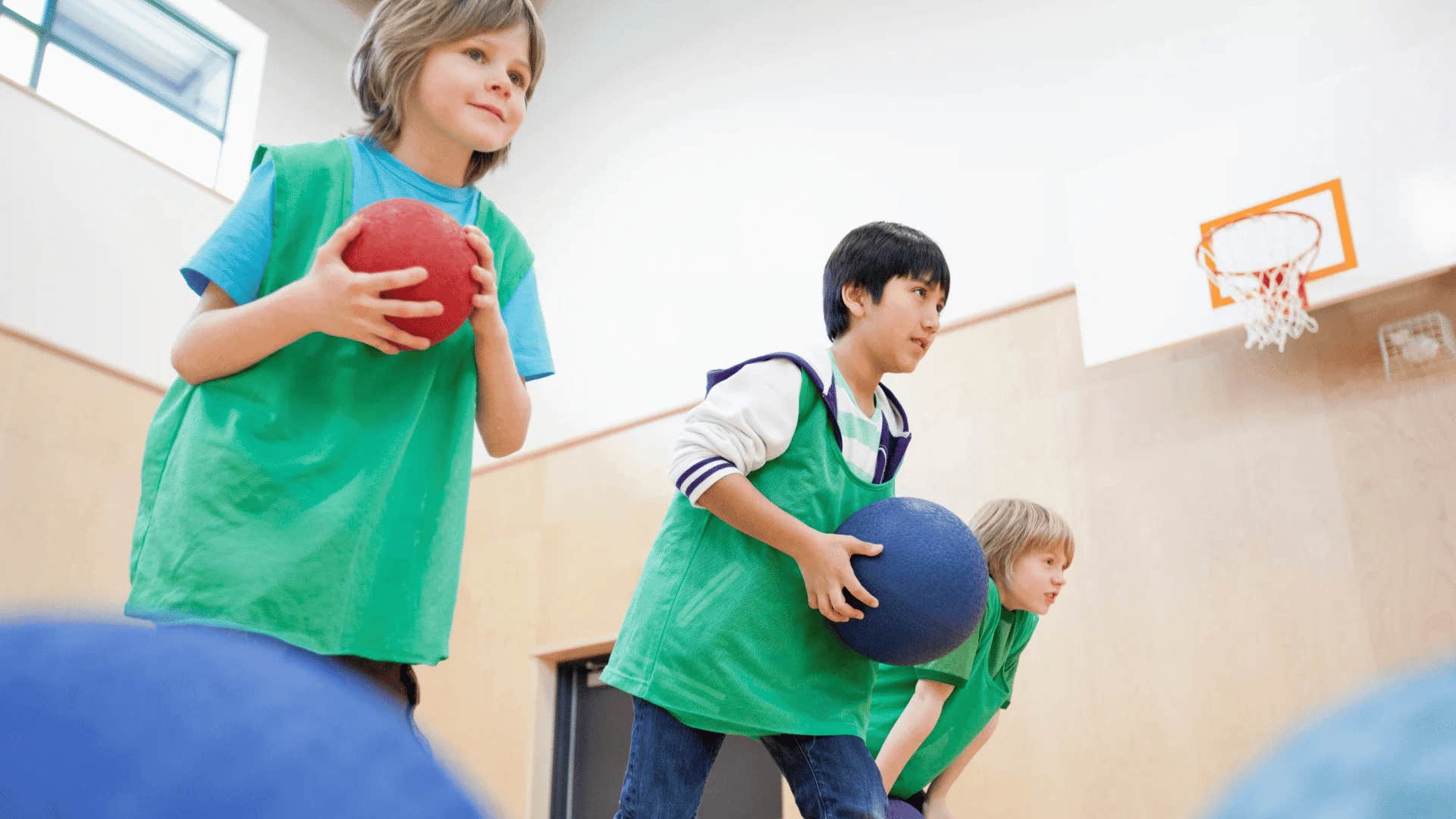
The idea of running around the school gym and getting hit with hard rubber balls brings back memories for Gen Xers and millennials whose childhoods were defined by this game. For some, dodgeball was a chance to throw the ball at other kids a little too hard. For others, it felt like a school-sanctioned excuse for bullying.
“I think there is a huge irony that this debate is re-emerging now when social-emotional learning is at a fever pitch in education policy,” said former school principal and education consultant Dale Chu. “This idea that we have to be attuned to not only the academic needs of our kids but their physical and emotional needs is exactly right.”
Chu cited dodgeball as an important source for kids’ social and emotional development, noting that by “abolishing dodgeball, you’re just removing from the table a valuable tool that schools can use to engender those [social-emotional learning] values.”
2. Red Rover
 JackF from Getty Images via Canva
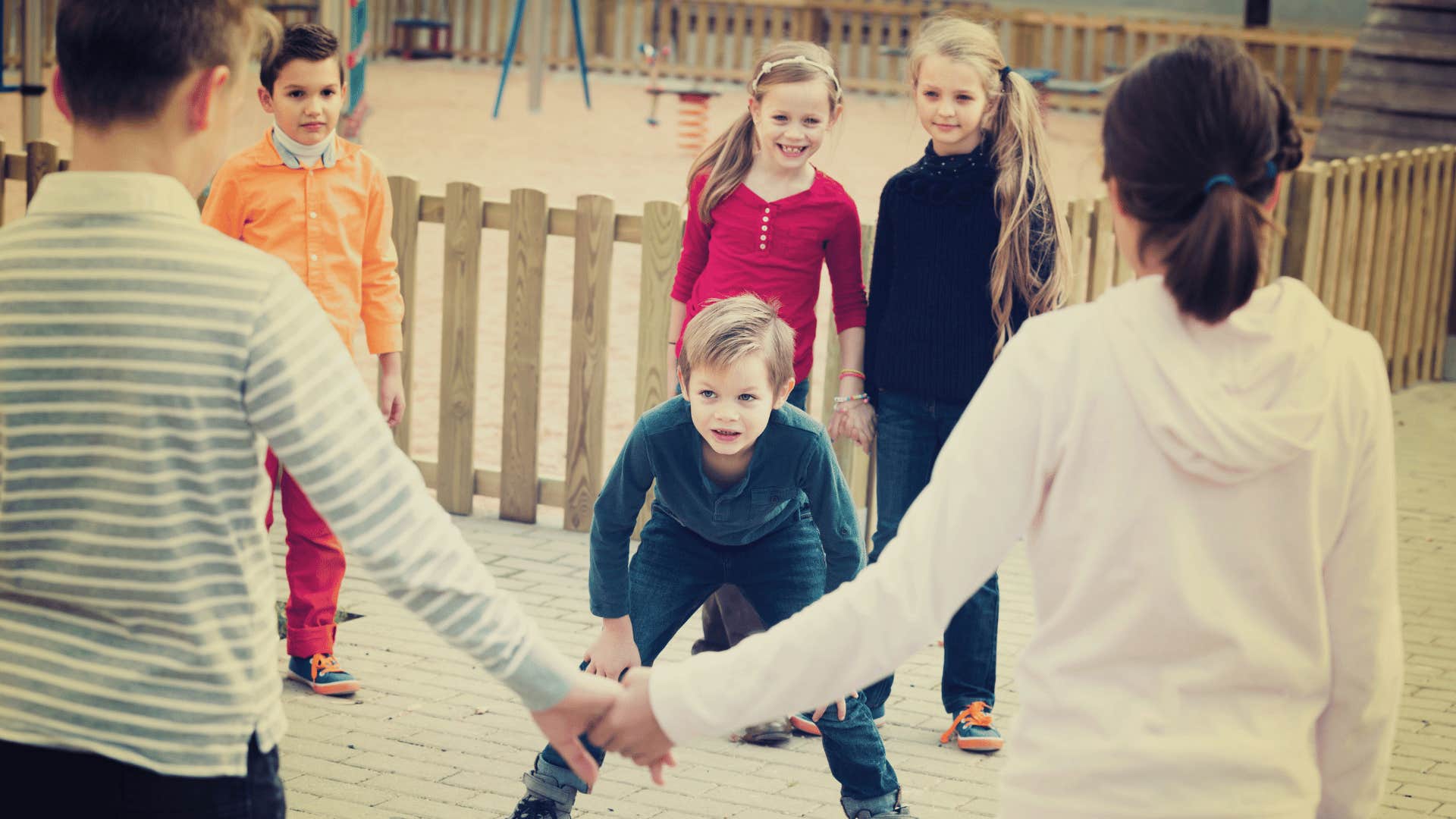
Red Rover was a classic childhood game, but it’s being banned in schools today. It isn’t the world’s safest game. Kids link arms in lines, standing across from each other, then call for one kid to run across and try to break the chain. It can often end in injury.
In 2013, a school district in San Diego, California paid $15,000 to settle a lawsuit filed after a 7th grader broke their leg during an unsupervised game of Red Rover. The student required X-rays and physical therapy as a result, and the resolution included a ban on games of Red Rover.
3. Musical chairs
 JackF from Getty Images via Canva
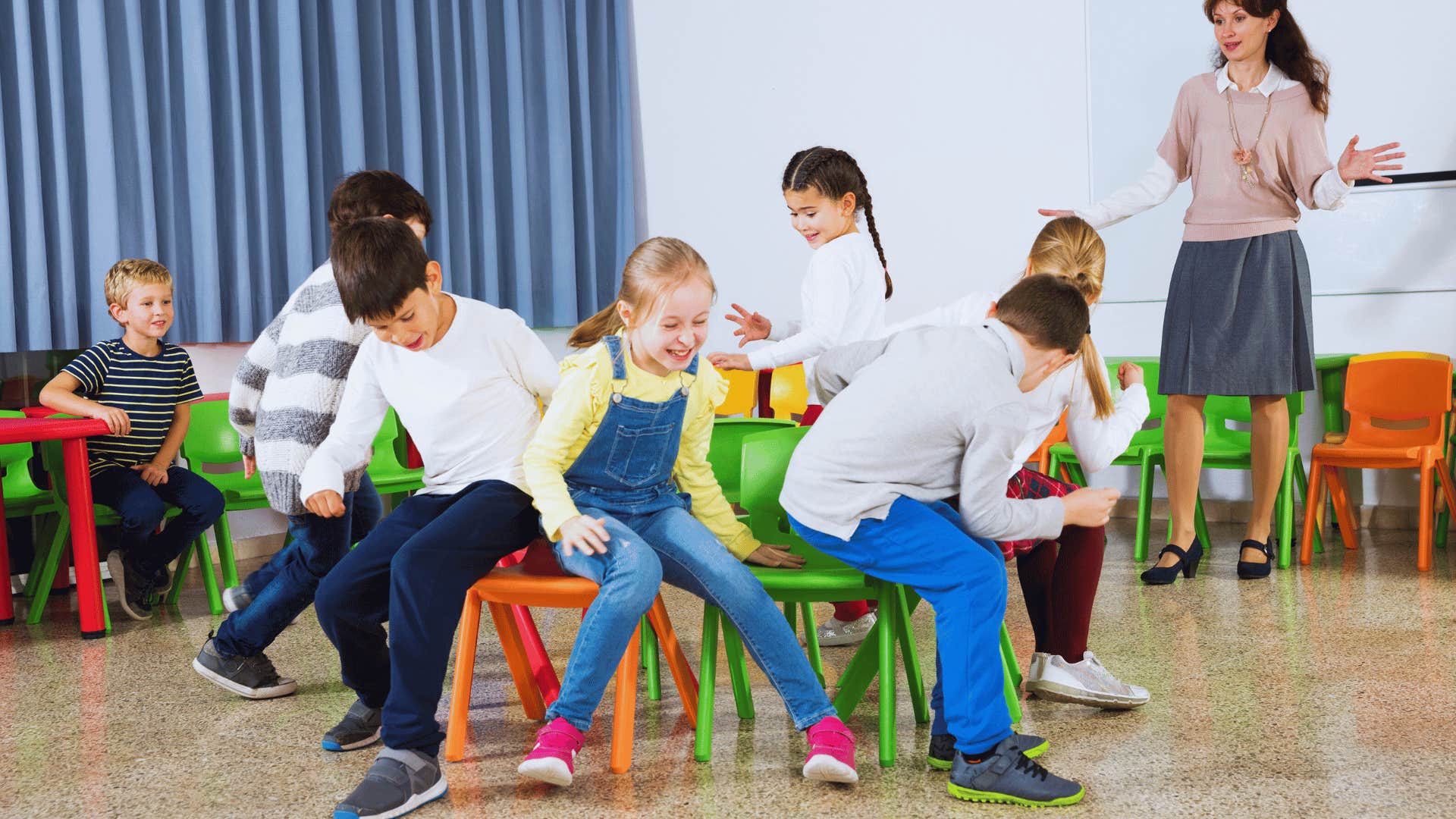
Musical chairs is a classic game, but the sense of being left out is palpable for a lot of kids, which is why some schools want to ban musical chairs. Yet psychologist and education consultant Eva Glasrud revealed that musical chairs helps kids develop crucial skills they’ll carry for the rest of their lives.
“Resilience isn't something that magically happens once you turn a certain age,” she explained. “It's something you develop by dealing with the small disappointment of being the first kid eliminated from musical chairs or the last kid picked in the kickball game.”
Glasrud pointed out that determination doesn’t come automatically. Rather, “it’s something you develop by being disappointed by a certain result and vowing to practice, improve, and do better next time.”
4. Unstructured play
 Studio Columbia via Canva
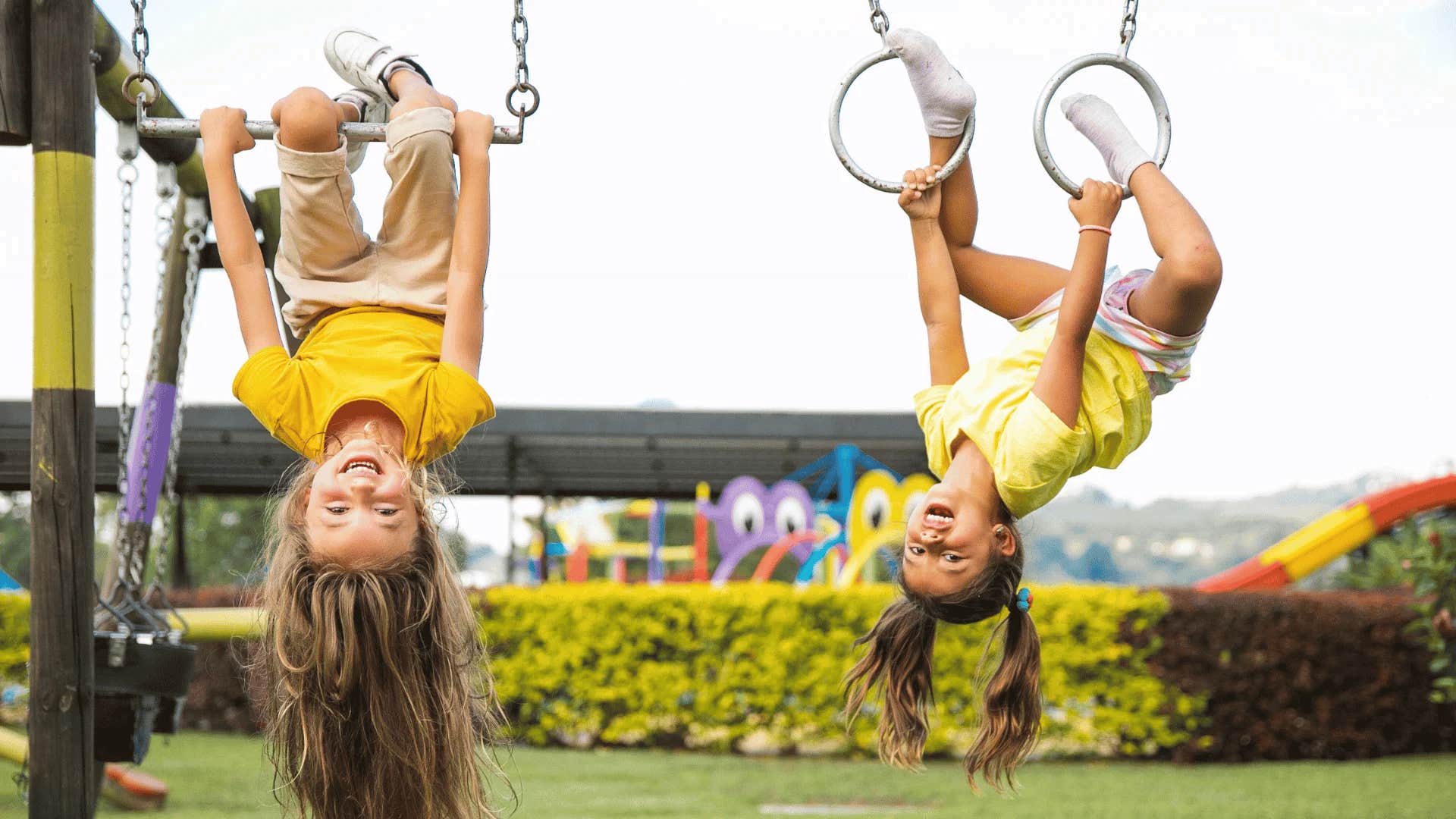
Kids spend most of their time at school, and when they’re not in school, they’re going from one extracurricular activity to the next. They get shuttled from band practice to swim class to dance lessons. They have less time to play in an unstructured environment, which impacts their emotional development.
When kids put on costumes and play make-believe, they’re building their own visions for how the world could be. Imaginative play builds kids’ creativity, along with their sense of compassion.
According to educational psychologist Lauren McNamara, kids should spend time outside. "Running games, frisbee, catch, skipping, biking, skateboarding, and skating are all possible. Chalk, washable paints, ropes and cones can be used to create obstacle courses and sidewalk art,” she recommended.
5. Cartwheels
 Elena Photo via Canva
For many people, doing cartwheels in the yard right is a core childhood memory, but it’s something schools don't view the same way. In 2013, a middle school in Port Washington, New York restricted kids from doing cartwheels unless they were supervised by a coach. According to superintendent Kathleen Maloney, safety precautions took precedence over letting kids do cartwheels during recess because they’re too risky.
It's not the only example, because schools in Ontario, Canada, as well as in Melbourne, Australia, have banned cartwheels, too. Though kids today have worries that are bigger than adults can imagine, they deserve to spin and cartwheel their way across the schoolyard. They deserve to still be kids.
6. Tag
 Syda Productions via Canva
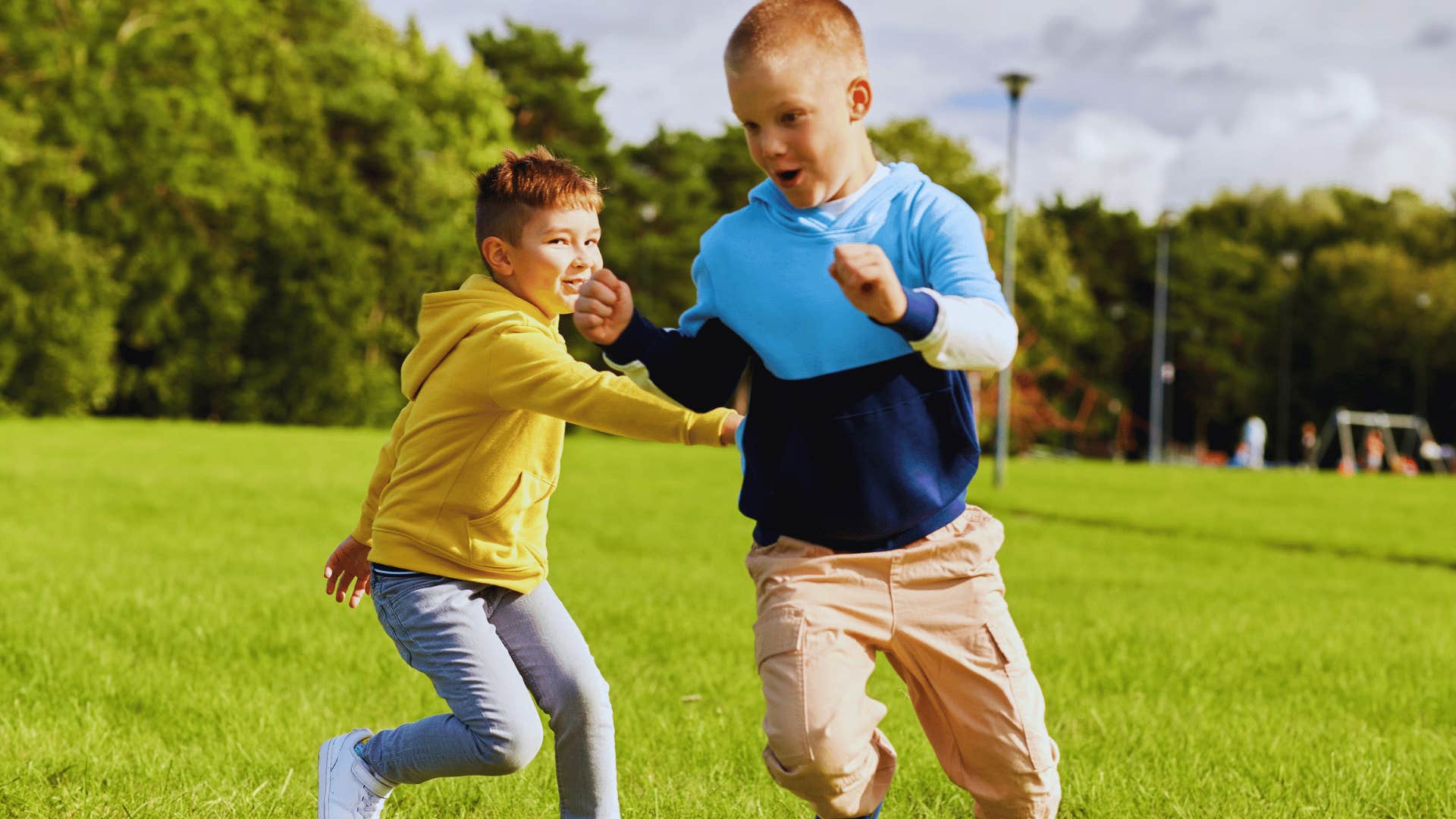
For many kids, tag was the first game they really learned to play after peek-a-boo and hide-and-seek. But many educators categorize tag as an “elimination game,” noting that the essence of the game puts some kids on the sidelines.
Some elementary schools in the United States decided that tag had become too rough-and-tumble, so they put policies in place where kids can't even run or chase each other. But games like tag teach kids how to play fair and how to lose gracefully. It’s a way for them to learn the valuable lesson that you can’t always win, and that’s okay.
7. Snowball fights
 Aleks | Pexels
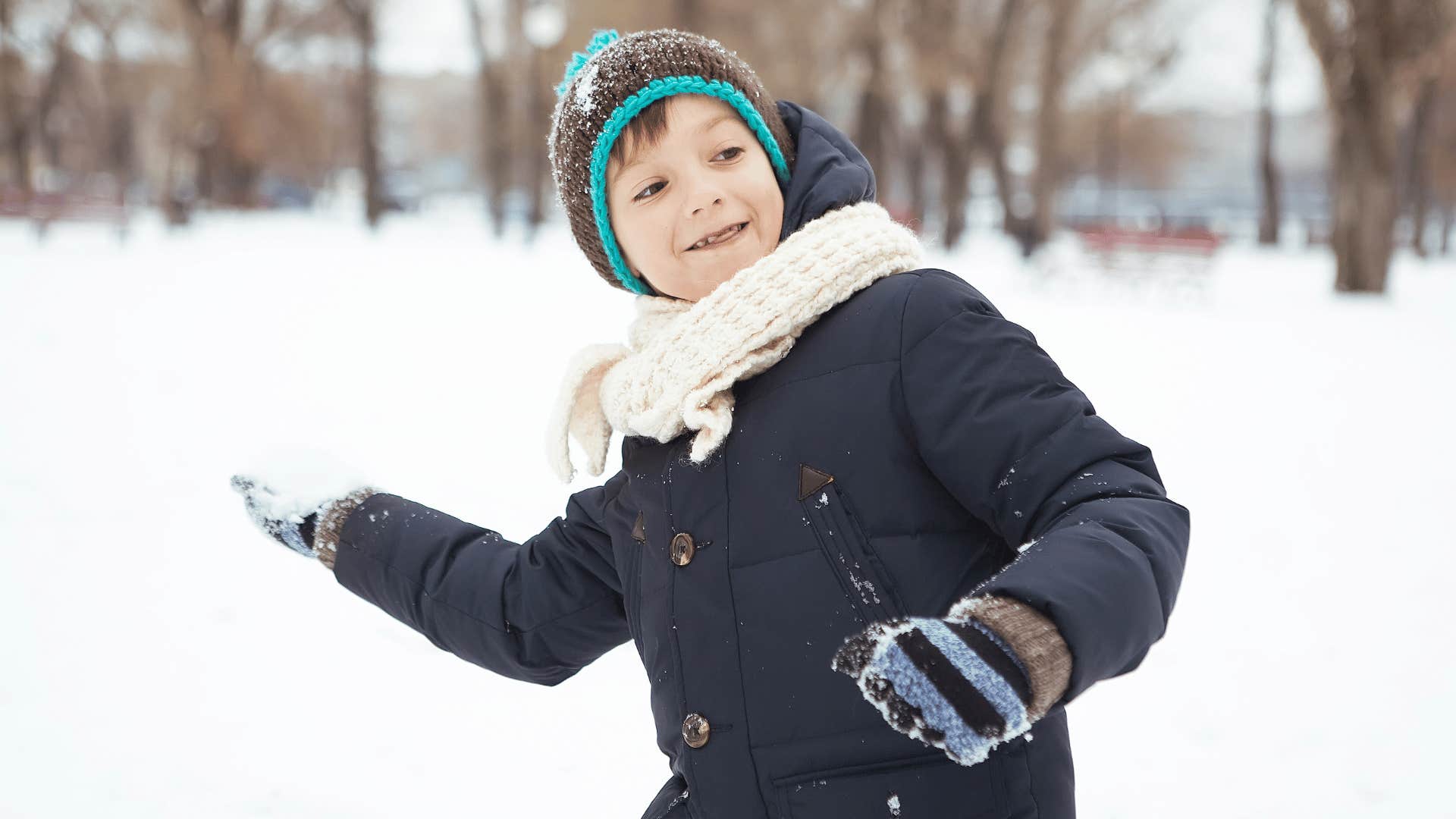
Snowball fights are a time-honored snow day tradition, but they’re one of the activities being banned in schools. With any snowball fight, there’s a chance one kid will chuck ice at another, leading to tears and cold cheeks. Yet snowball fights are also a way for kids to run around in the fresh, cold air, and immerse themselves in the beauty and magic of the outside world.
Today’s kids might be fragile, but they’re also over-scheduled and stressed out. Kids should get a chance to skip out on studying and lob snowballs at each other. Letting kids be kids is one of the best gifts we can give them.
8. Capture the flag
 Lydia Liu, CC BY 2.0, via Wikimedia Commons
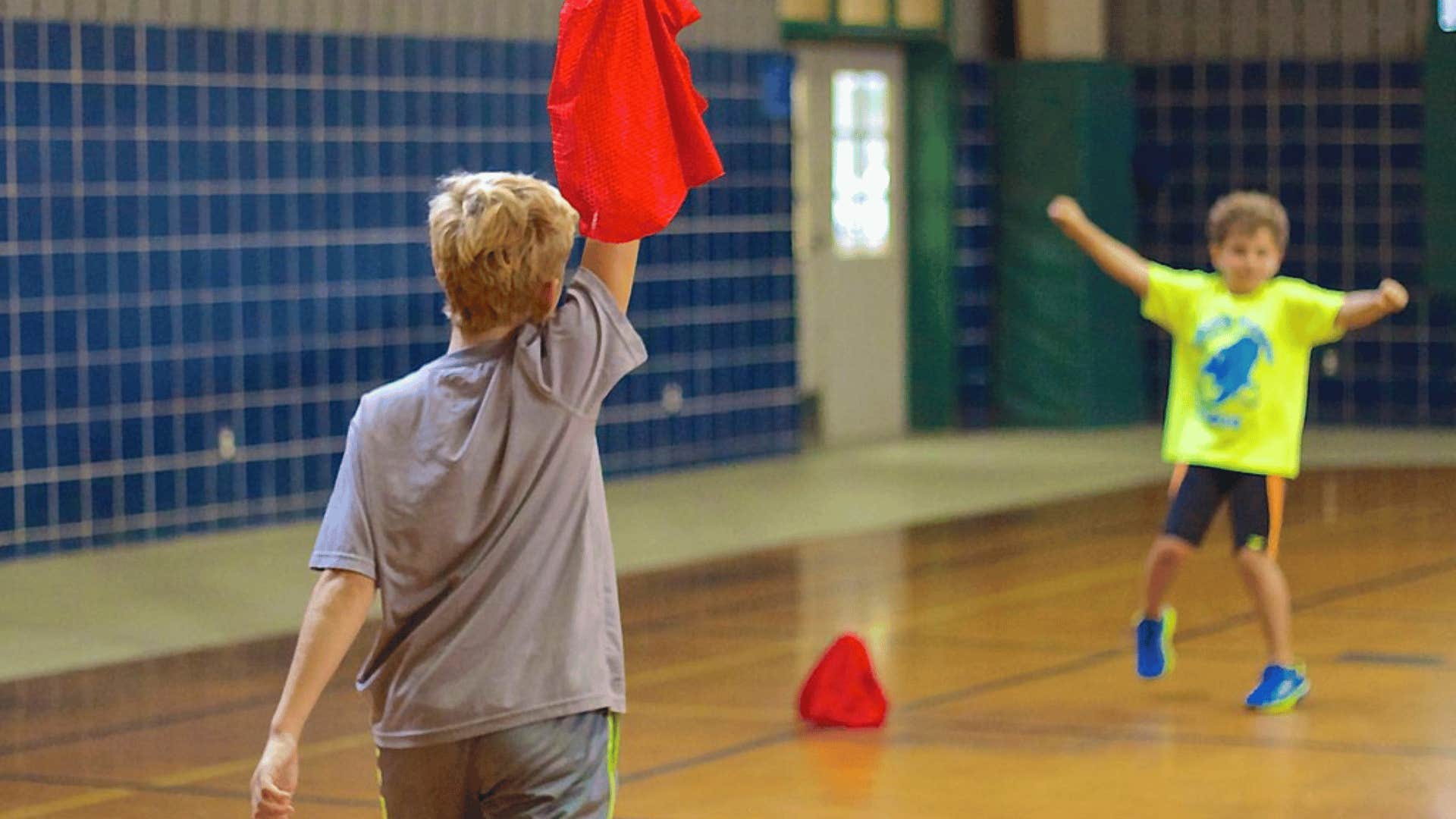
Capture the flag is a game of wits and strategy, and running really fast while wearing mesh pinnies. It’s a truly vintage experience. Just ask Gen Xers or millennials about their best childhood memory, and they’ll likely tell you a long story about an epic game of capture flag they won at camp.
Capture the flag is slightly more competitive than other games. Yet even when the stakes are high, kids learn how to build emotional tolerance and navigate losing out on something that mattered deeply to them.
9. Kickball
 soupstock via Canva
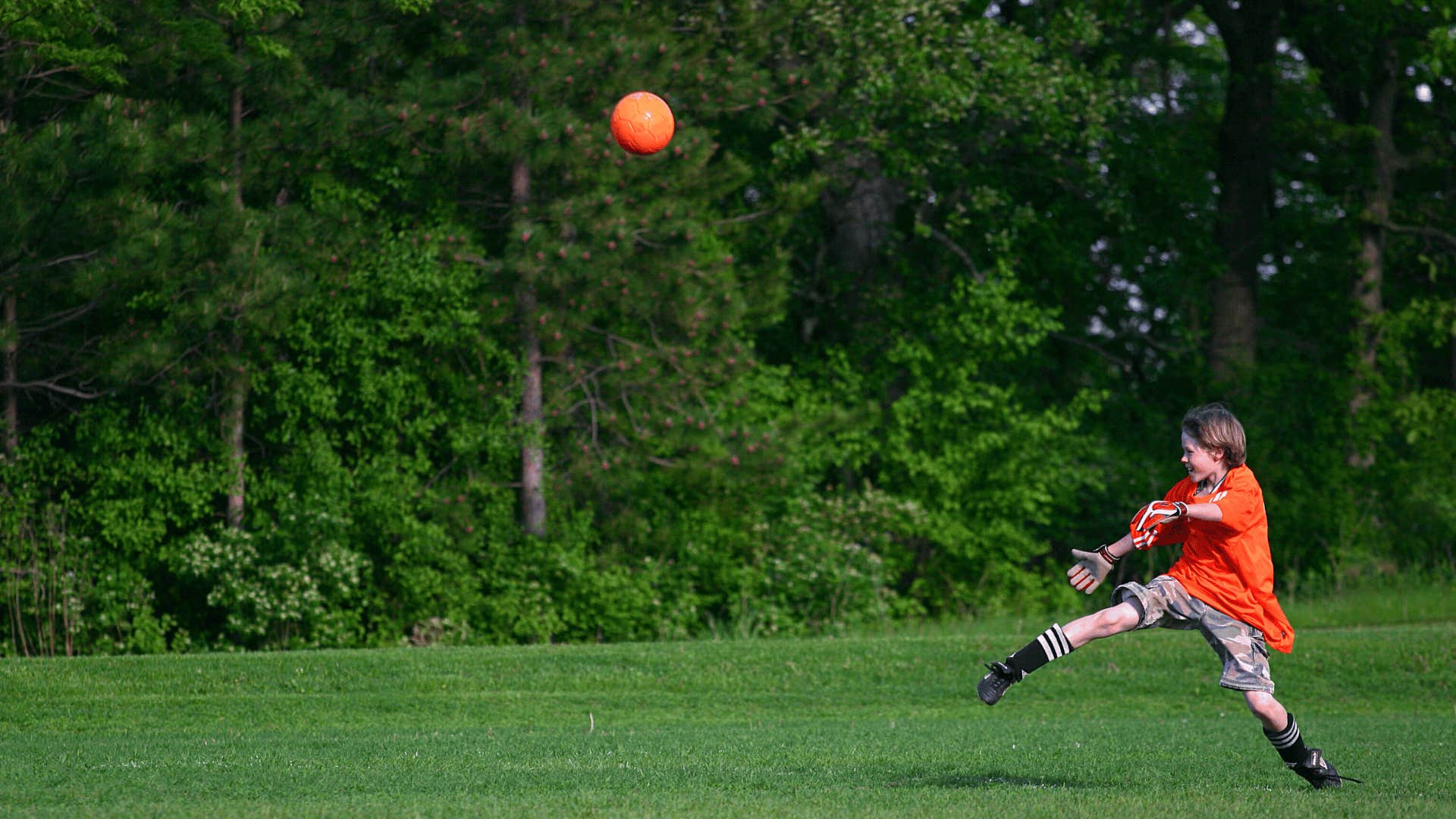
Of all the childhood games, kickball might evoke the most nostalgia for people who grew up spending summers playing it in the park or field. But today's kids are seemingly too fragile to play kickball.
Over the years, a school in Alabama, as well as in New York, banned kickball altogether or were deciding it was too risky. But the fact of the matter is that kids need to run around. They need to fall down and scrape their knees, and then they need to stand back up and keep going.
10. Duck, Duck, Goose
 ideabug from Getty Images Signature via Canva
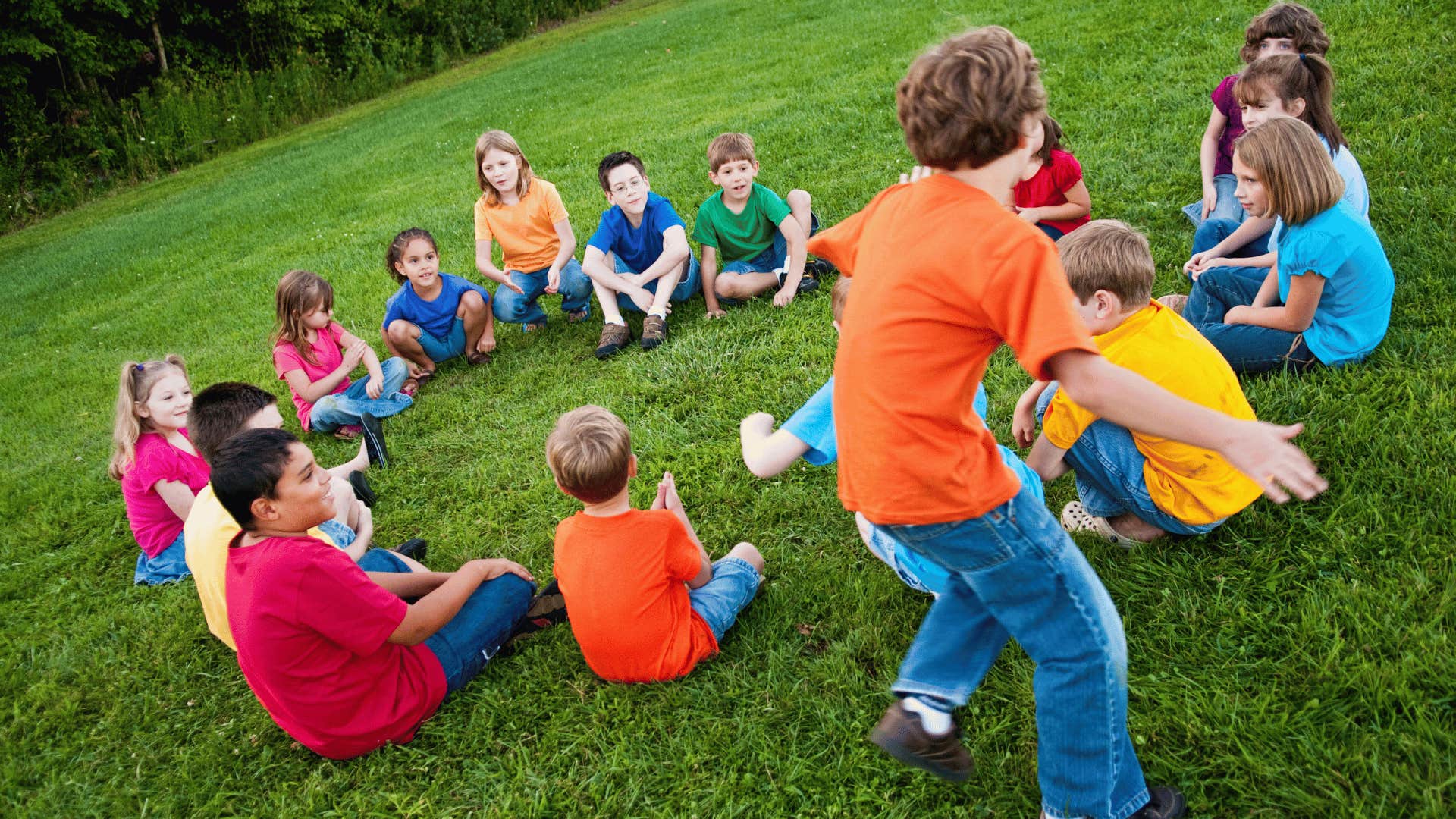
In 2018, another Alabama school deemed duck, duck, goose to be inappropriate. The State Department of Education also discouraged games like soccer and yoga to be banned, citing possible injuries and being singled out as reasons for their proposed ban, along with an “over-emphasis on fun with no purpose or objective.”
The game itself includes chasing and tagging. And though children are bound to fall and get a scrape from doing so, it's all in the name of fun. Trying to rob them of that for their supposed safety goes against what being a kid is all about.
11. Throwing ‘hard’ balls
 Kali9 from Getty Images via Canva
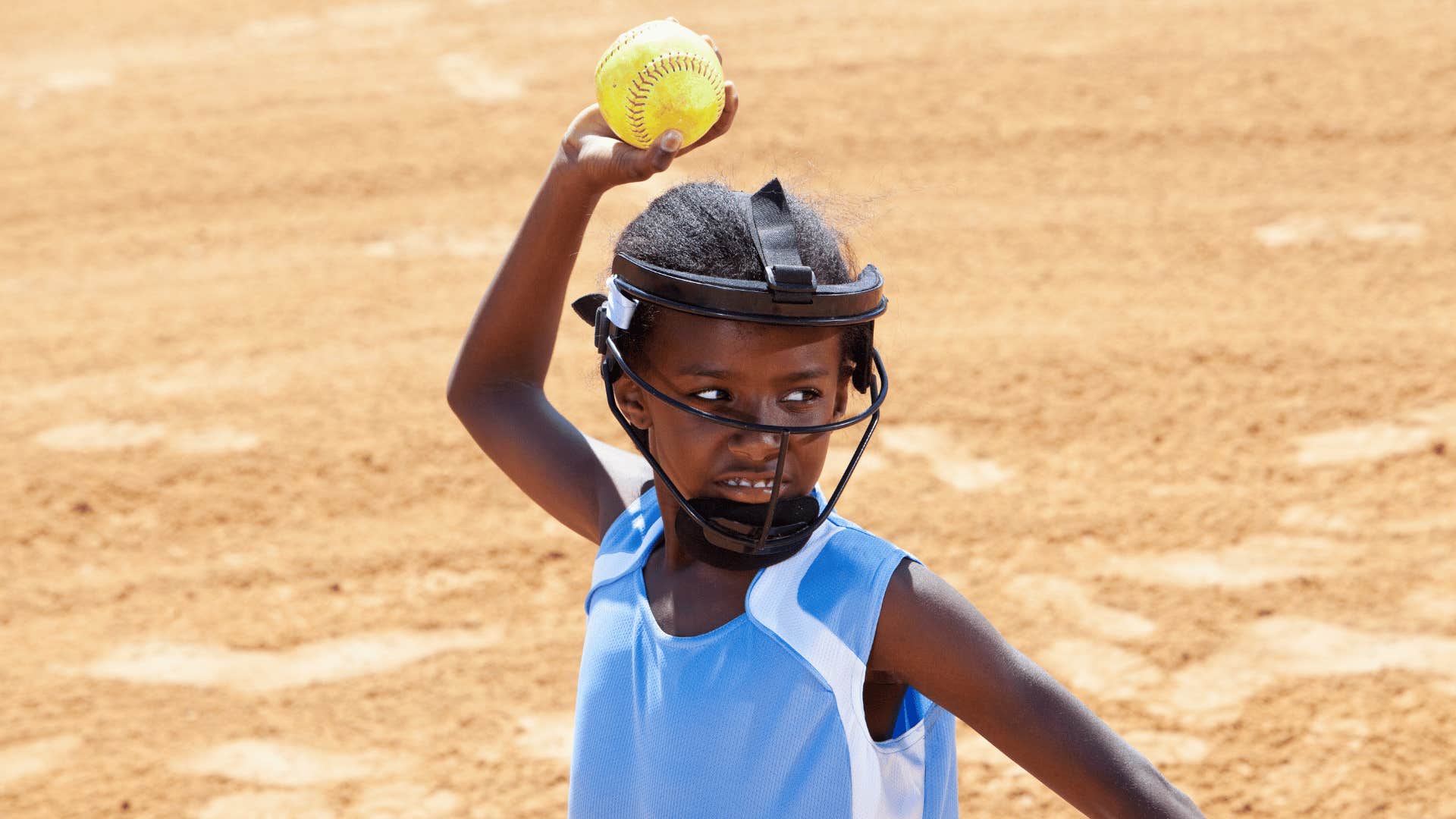
Middle school is a difficult and often awkward time. For many kids, getting time to decompress and be active is the best part of their day. Yet some schools don't think hard balls like soccer balls or baseballs should be allowed.
For one New York school, kids were limited to Nerf balls, made of a soft foam material, only. “What we've noticed is that we've had a lot of kids in the nurse's office because of being inadvertently hit,” said assistant principal Matthew Swinson. “We know kids are going to get injured... but we have a responsibility to lessen injuries.”
As much as they might want to do so, parents and teachers can’t protect kids from getting hurt. They’re bound to trip during recess and get left out by their best friends. Getting hurt is an entry point for kids to figure out how to regulate how they feel and stay emotionally balanced.
Alexandra Blogier, MFA, is a writer based in Boston, Massachusetts who covers psychology, social issues, relationships, self-help topics, and human interest stories.

