
9 Things Lonely People Do In A Grocery Store That Have Nothing To Do With The List
 Jace Oner | Pexels
Even the smallest interactions with strangers can make us feel less lonely and more connected.
Yes, lonely people do all kinds of things that block them from soaking up the social energy of their environments. At the grocery store, these things feel more convenient and comfortable, but ultimately stop them from using their social skills and building a sense of belonging.
Lonely people do these things at the grocery store that have nothing to do with their list
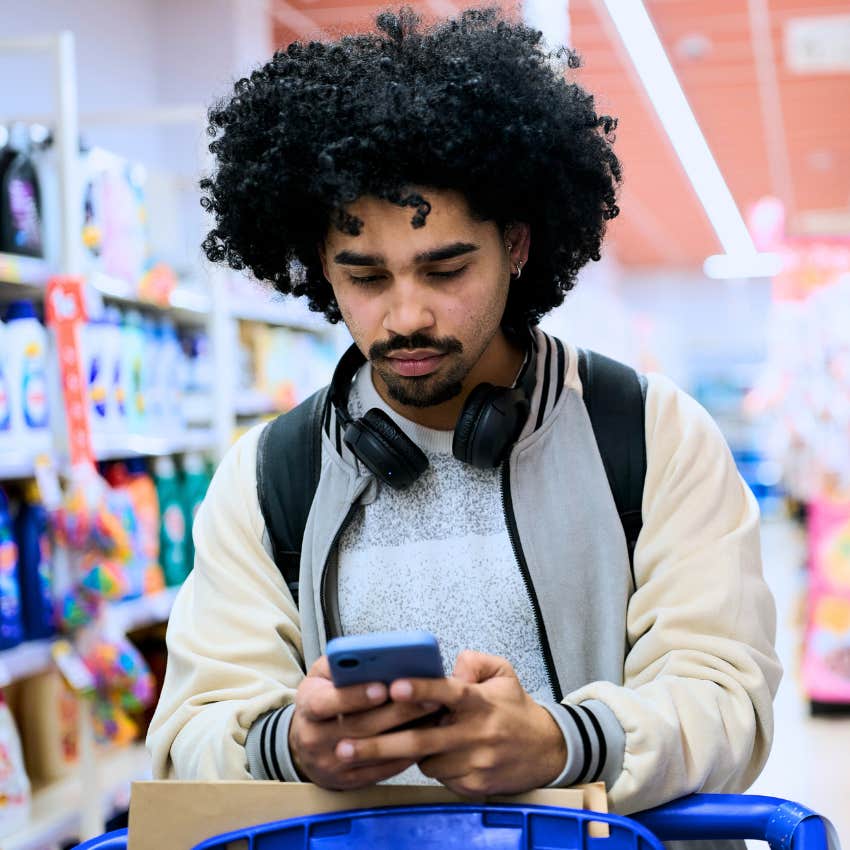
1. They wear headphones
 alvarog1970 | Shutterstock
We often overestimate how awkward conversations with strangers will be and underestimate how receptive other people are to connecting with us. We dodge interactions at the grocery store and look at our phones in the checkout lines, feeling isolated and lonely with many potential interactions to indulge in.
That's part of what lonely people do time and time again in public spaces. They resort to their phones for comfort. They wear headphones and block out everyone else. They constantly send a signal to the world that they don't want to interact, and then wonder why they go home feeling weird and disconnected.
2. They only use self-checkout
Even if it offers an immediate sense of relief, lonely people keep themselves disconnected by opting for convenience out in public. For example, choosing to use the self-checkout when there's a real cashier line open may feel more comfortable, but it's not helping to mend the turmoil they're facing inside.
In fact, when they leave the grocery store after not connecting or speaking with a single person, chances are they're going to feel even more lonely than when they walked in, despite being surrounded by people.
3. They order pick-up
Lonely people keep themselves stuck in a cycle of disconnection by avoiding the kinds of interactions and public spaces where they could potentially interact with someone. They overestimate how stressful a grocery store will be or how draining a conversation with a stranger might be, and instead protect their own comfort by leaning on convenient alternatives.
Even though they're still driving all the way to the store, they opt for drive-up and pick-up options. They may even have their groceries delivered to their homes every week, creating an excuse to never leave if they don't want to.
4. They overspend
Many people use shopping and spending as a misguided coping mechanism. It's an effort to combat sadness and a general feeling of being disconnected that some use to create meaning.
They want to be a part of something bigger than themselves, so they follow trends. They want to feel the instant gratification of buying something, so they overspend.
Even in the grocery store, where it's a lot easier to justify buying something we don't need because we have to eat, the most lonely people tend to overspend to create purpose they're lacking in other areas of their lives.
5. They rely heavily on their phones
 Hryshchyshen Serhii | Shutterstock
Loneliness is often inherently tied to increased phone usage, according to a 2023 study. You can usually spot a very lonely person because they rely on their phones as a buffer.
While it might feel more comfortable in the moment, these screens ultimately make it harder to connect with strangers and to feel a sense of belonging while out in the world.
They might have a physical list and even go into the grocery store to peruse, but if they're using their phones to cope with feeling disconnected or awkward, they're only going to leave feeling more lonely.
6. They find comfort in busyness
Lonely people often find distractions in staying busy. They're filling their calendar and overexerting themselves, and may even wander around the grocery store.
For many, it's an unconscious practice. They linger in the produce section looking at things they don't need instead of asking someone to move. They avoid busy areas of the store to protect immediate comfort.
For socially anxious people, they ironically isolate themselves even more in public by avoiding the kinds of interactions with strangers and shoppers that the average person would indulge in without a second thought.
7. They get angry at inconvenience
As a study from Frontiers in Psychiatry explains, loneliness can often have negative consequences on both the physical body and our mental health. We grow more dysregulated when we're unhappily isolated, prompting things like irritability and impatience, or generally lowering our mood.
Suddenly, the kinds of minor inconveniences, like having to put their shopping cart back or waiting for someone moving slowly in line, are irritating beyond belief. While it might be subtle, you can spot someone's loneliness and inner pain by the frustration they bring to public spaces.
8. They shop and move quickly
Many people struggling with loneliness tend to perceive their daily activities, like running errands or going out in public, as more stressful and threatening than they are. They fear the same kind of social interaction or engagement with strangers that could actually help to mend their isolation, creating a cycle of anxiety and disconnection that spirals again and again.
That's part of why they tend to rush through these errands, shopping quickly and sometimes using alternatives like online shopping to avoid the discomfort.
9. They buy things as social substitutes
 Guillem de Balanzo | Shutterstock
There's a pretty clear reason why loneliness predicts materialism: we crave the dopamine we'd otherwise get from relationships and conversations. We buy things we don't need and lean on material goods as substitutes for human interaction.
While it might offer instant gratification and make us happy for a few moments, in the long run, we're only putting our mental, emotional, social, and financial stability at stake for quick relief in the moment.
Zayda Slabbekoorn is a senior editorial strategist with a bachelor's degree in social relations & policy and gender studies who focuses on psychology, relationships, self-help, and human interest stories.

