
Introverts Who Are Truly Happy In Their 50s & 60s Started Doing 11 Things Before They Turned 40
 shurkin_son | Shutterstock
Many people become more introverted with age, as alone time is more prevalent and self-reflection becomes second nature alongside a growth in self-esteem.
However, just because introverted lifestyles become more intuitive doesn't always mean that people thrive. Spending all your time inside and avoiding the discomfort of growth can all lead to a more isolated lifestyle than healthy introverts are willing to live. That's why the healthiest, happiest introverts who are truly happy in their 50s and 60s started doing certain things before they turned 40, all to set themselves up for success.
Introverts who are truly happy in their 50s and 60s started doing 11 things before they turned 40
1. They created hobbies they actually enjoy
 GaudiLab | Shutterstock
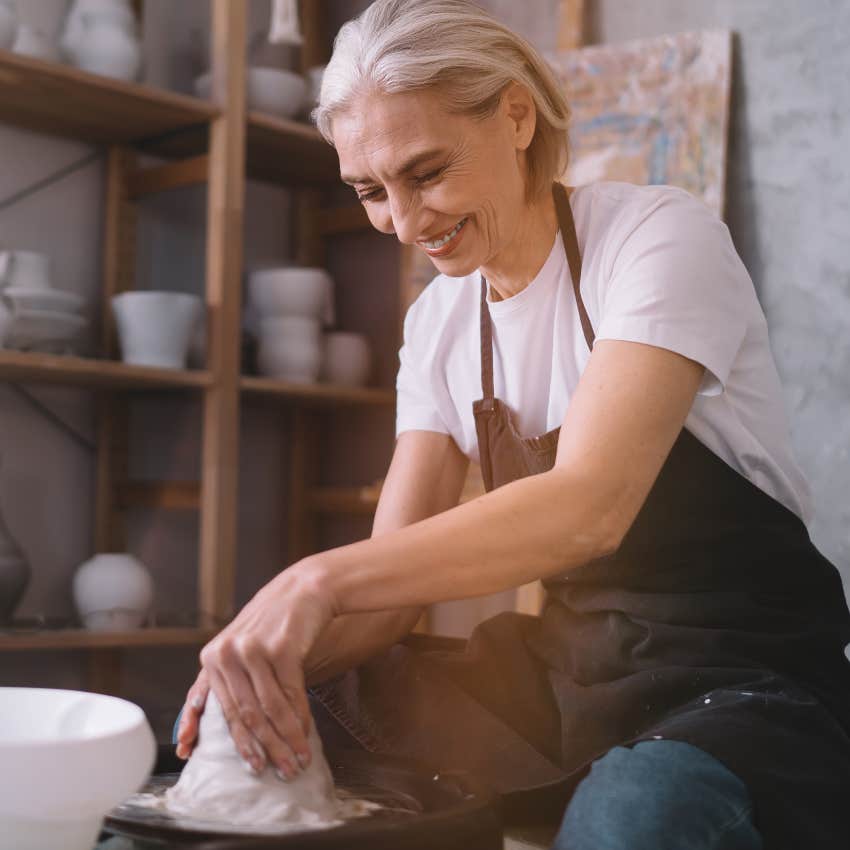
Hobbies can promote better happiness and well-being, yet so many people prefer to be overly productive and focus only on "work" to create a sense of misguided meaning and accomplishment. However, happy introverts in their 50s and 60s focus on creating hobbies that they actually enjoy, without needing to share or monetize them, to protect this sacred space for solitude.
On top of that, stress and anxiety are lower when someone has hobbies to practice stillness and reflection. These hobbies guarantee an introvert the space to be alone and distract themselves from constant introspection, which ultimately protects their well-being as they get older.
2. They figured out a balance of solitude and socializing
As a Scientific Reports study explains, a balance of solitude and socializing is important to protect well-being in everyone's life, regardless of whether or not they're an introvert. That's why the happiest introverts, who have more fragile social batteries and need space to recharge away from people, are careful about managing this balance.
Even though it takes time, and sometimes "trial and error," to figure out, shifting their attitude toward alone time and investing in social connections that actually make them feel good are important habits for an introvert who wants to live a healthy, happy life.
3. They stopped apologizing for saying 'no'
The happiest introverts later in life are the ones who stop "forcing" themselves to go to events and interact with people that drain their energy. They stop over-explaining themselves and trying to make people understand their lifestyle, and start setting boundaries to just live it.
The right people understand, the wrong ones filter themselves out. That's why the quality of their relationships grows stronger and more concentrated as they get more direct. They don't tiptoe around people who aren't emotionally regulated and suppress their own needs in favor of superficial connections. They just live and trust that the right people will be receptive to their boundaries, without the need to over-apologize.
4. They started accepting themselves as is
Instead of wishing to be someone different or trying to "force" themselves into a lifestyle that doesn't work for them to seek validation from society, happy introverts instead rewire their brains toward sheer self-acceptance. Introverted people sabotage their happiness by yearning to be more extroverted or "social," instead of figuring out how to create meaning that aligns with their personality.
Especially as they age, self-acceptance is so important to practice as a ritual and mentality, even if most people overlook it entirely. From sustainable kinds of self-care to investing in love that reflects the kind of support they personally need, longevity and happiness thrive in someone's life when self-acceptance is a priority.
5. They 'pruned' their social networks
 Krakenimages.com | Shutterstock
While most people naturally cultivate smaller social circles and networks as they age, according to a study from the International Journal of Behavioral Development, introverts are careful about "pruning" their friend groups early. They don't need a million friends or the allure of a boisterous social network to feel important. Quality is far more important than quantity, at least for the happiest introverted people.
Of course, happy introverts still have high levels of social engagement that make their lives better, but that doesn't mean they need tons of friends to create meaning. A few will do.
6. They appreciated being 'alone' with other people
From co-working silently in the same space to reading with friends, or simply enjoying the presence of people without needing to make constant conversation, introverts who learn to be "alone" with other people live happier lives.
While a desire to jump into full silence might still be ingrained in their minds from society, sitting with stillness around others can actually make connections feel deeper. That's something people in their 50s and 60s started doing long before they got older.
7. They committed to routine social engagements
Instead of trying to find plans at the last minute or feeling pressured to spontaneously go out when their friends haven't seen them in a while, introverts protect their space to prepare and reset by creating a structure for interactions. From weekly plans set in stone with close friends to a workout class they only go to on Sunday mornings, there's no guesswork in their routine to manage a balance of alone time and socializing.
It's this structure, function, and quality of social connection, as psychology and neuroscience professor Julianne Holt-Lunstad explains, that happy introverts practice and learn as they age. They structure a routine that supports their needs, figure out what functions certain people and places offer, and invest in quality interactions, rather than wasting energy on superficiality and chaos.
8. They invested in their homes as a sanctuary
Instead of retreating to a home that drains their energy, people who age gracefully and happily as introverts invest in their living spaces as sanctuaries and safe spaces. Whether it's saving for home decor that feels comfortable and relaxing or investing in hobbies they can keep for themselves at home, when they do need alone time, their homes make it easy for them to unwind and reflect.
On top of that, feeling comfortable in their homes boosts mental clarity, emotional stability, and daily productivity that positively benefits all aspects of their lives.
9. They learned to express their boundaries openly
 GaudiLab | Shutterstock
Whether it's "I love you, but I need some space" or "I love spending time with you, but I also need alone time," introverts who weave these boundaries gently into their relationships and conversations are better set up for success. Not only are they protecting their social battery, but they're expressing their needs openly so they don't transform into misunderstandings down the road.
While it takes some practice to achieve this level of openness, especially with new friends and connections, people who learn to express their boundaries earlier in life boast better relationships later on.
10. They adopted exercise routines that fit their needs
Experts suggest that matching your movement rituals and exercise routines with your personality can actually make them more effective. Especially for introverts, who often need a balance of everything in their lives, including alone time and socializing, figuring out what works for them to protect health and well-being is crucial.
Whether that means swapping long walks without a destination with a social workout class every once in a while, or keeping fitness as a personal routine at home, introverts who figure out a good movement routine before they enter their 50s and 60s are set up for success and better health on multiple levels.
11. They stopped making excuses
For introverts who often self-isolate with the excuse of "needing more alone time" than others, it's easy to fall into the trap of comfort and convenience at the expense of personal growth. Getting out of your comfort zone looks different for everyone, but in some cases, it's necessary if you don't want to stay stagnant forever.
Introverts who live truly happy and healthy lives rewire their brains away from these excuses before they enter their 50s and 60s. They figure out how to set healthy boundaries and protect a lifestyle that works for them, but that doesn't mean that they're always living in a rigid, sterile comfort zone.
Zayda Slabbekoorn is a senior editorial strategist with a bachelor's degree in social relations & policy and gender studies who focuses on psychology, relationships, self-help, and human interest stories.

