
How Someone Feels About Pigeons Reveals 10 True Things About Who They Are As A Person
 Powerofflowers / Shutterstock
Forget high standards and emotional games. You can tell someone’s real character and empathy by how they feel and what they know about pigeons.
But why? Is it their misunderstood presence in society? Their intelligence and ability to persevere despite their societal perception? Their history of helping humans and serving people as loyal pets and companions, even after being abandoned and condemned by humans? The “pigeon empathy standard” may just alter your own perception of these innocent creatures, because if you ask someone how they feel about pigeons, you’ll learn some very true things about who they, and possibly you, are as a person.
If you ask someone how they feel about pigeons, you can find out these 10 true things about who they are as a person
1. If they make judgments based on appearances
 Oksana Sahinoglu | Shutterstock.com
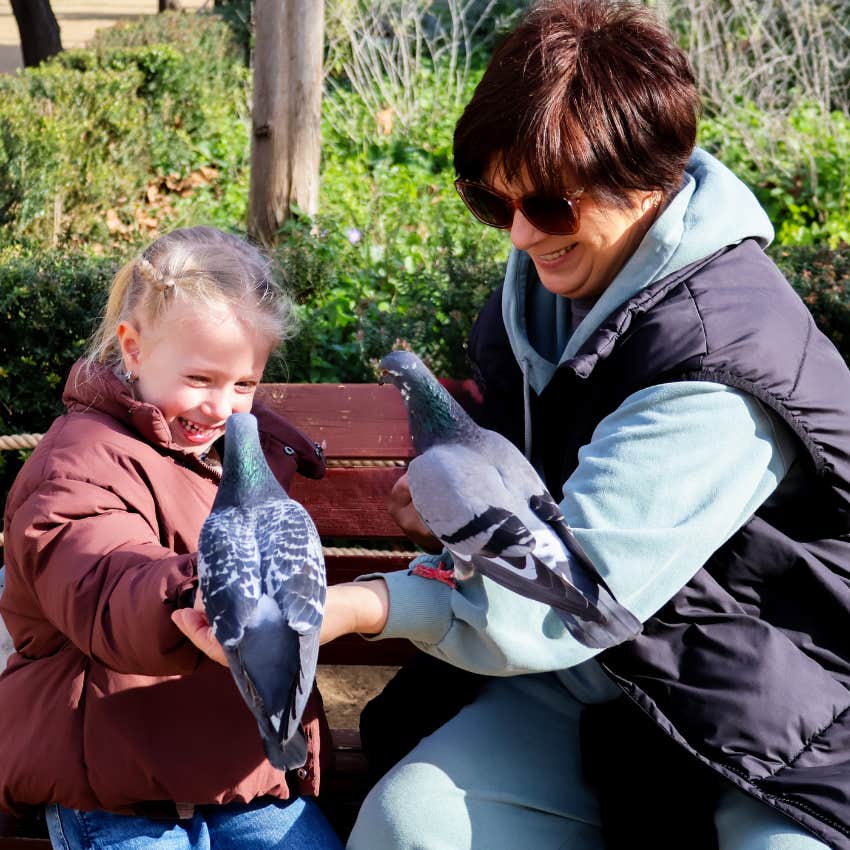
If you ask someone how they feel about pigeons and they’re immediately grossed out because they believe pigeons are dirty, wild creatures, you might have your answer about whether ot not they judge people and make assumptions without knowing anything about the topic or person in question. Ironically, the reason pigeons often seem dirty to many people is because of the circumstances humans put them in and their history of having been abandoned by the people who once domesticated them.
If someone judges pigeons from how they seem on the surface, it’s likely a reflection of their own misguided ideas, not based on any actual facts. In truth, pigeons are actually cleaner and well-behaved than most people realize. While they are wild animals and can potentially carry diseases and parasites, the University of London emphasizes that "the actual cases of transmission to humans are uncommon and usually involve individuals with compromised immune systems or those who have intense, direct contact with pigeons."
2. If they conform or form their own opinions
Pigeons are generally misunderstood and misguidedly judged by many people. an experience many humans experience in intense ways, but still lack empathy for when it’s someone else’s struggle. Most of us have a perception of pigeons as freeloading street birds that sorely lack in the cleanliness department, and even if that is entirely wrong, it influences how they behave and how we judge them.
However, a person who typically forms their own opinions and does their own research is far more likely to be aware of the true history of pigeons, which in turn would likely mean they gain a kind of understanding that prompts warmth and empathy. Even if they don’t like birds in general or pigeons in particular, they can understand the nuances that make them so special.
3. How curious they are (or aren't)
If someone has a genuinely curious mind, they’re not only likely to be more intelligent than others, but they also usually prefer to do their own research, avoiding the kind of groupthink that lends itself to faulty assumptions and expectations. Whether they're working in an office or interacting with pigeons as they walk home, they are curious about things others don't often look into deeply, if at all.
People like this take the time to understand pigeons because their curiosity doesn't allow them to make snap judgments based on what they see on the surface.
4. How empathetic they are (or aren't)
While many animals are believed to experience empathy that shapes the way they interact with humans, many entitled, selfish humans lack the same kind of empathy in return. If a person like this is annoyed or upset, these innocent creatures may become scapegoats for their inner turmoil and frustration.
So, if you notice someone who is angry with pigeons, which are some of the most gentle, intelligent, and empathetic creatures in the world, chances are they probably lack empathy in general.
5. How patient they are (or aren't)
 Andrey Sayfutdinov from Getty Images
Entitled people who perceive themselves to be higher in status or intelligence than others often use innocent animals and people they perceive to be less important as scapegoats for their own issues.
When someone is impatient, they will take out their frustration on those they consider less valuable than themselves, whether that means being rude to people who work in service industries or yelling at pigeons that gather in public spaces seeking food and shelter.
6. If they’re observant or reactive
If someone is observant, they see the world through a more carefully focused lens. They aim to understand things and people and think before responding. On the other hand, reactive people are impulsive and often careless, using their immediate thoughts or emotions as an excuse to treat people or animals poorly.
So, if you ask someone their opinion about pigeons and they immediately show disgust and regurgitate misguided assumptions about how dirty or annoying they are, chances are they are reactive rather than intentional and observant.
7. How quickly they’re prone to complaining
Many people are prone to complaining when they feel out of control. However, without any action or growth, all they achieve is negativity, which usually becomes contagious to everyone and everything around them. To cope with the inner turmoil and dysregulation they’re experiencing, they harp on minor inconveniences, complaining to anyone who will listen.
Someone who complains about innocent animals, who have no ill intentions toward us and cause us no harm, shows a lack of interest in actually solving the problems they love complaining about. Pigeons are innocent, intelligent creatures who don’t deserve to be the object of anyone's ranting, and yet, many become exactly that when the person in question loves complaining at the drop of a hat.
8. How tolerant they are
With entitlement rapidly on the rise in our society, the way someone feels about pigeons can reveal how likely they are to be tolerant of others. Even if they don’t like birds, a person who’s willing to coexist with them peacefully is someone who offers at least a basic level of respect to everyone, animals included.
Even when they’re just talking about them, you notice a difference between their tone of voice and kindness compared to someone who feels a sense of superiority. So, if you’re on a first date or meeting someone for the first time, don’t be afraid to pop the pigeon question.
9. How they handle discomfort
 Travel-Fr | Shutterstock.com
As a study published in Psychological Science explains, handling discomfort is a necessary part of growing as a person. If someone leans into challenges and uses mistakes as learning opportunities, they are more likely to thrive than people who constantly avoid discomfort.
Even in small ways, like slowing down to appreciate nature or treating an animal with respect and love, people who lean into discomfort experience immediate improvements in mood and well-being. They’re connecting with the world around them, even if it’s not always easy to test a new perspective or avoid conforming to everyone else’s opinions.
So, watch how someone you love treats animals or speaks about misunderstood beings like pigeons, because it could tell you a lot about their character, including how they handle being uncomfortable.
10. How open-minded they are
While openness tends to have a greater influence on success than intelligence or knowledge, according to a study published in Personality and Individual Differences, it also shapes the respect and empathy people show to others. If someone is open-minded about challenging social norms and appreciates thinking their way through something instead of conforming to what everyone else believes, they are likely to be far more intentional in all their interactions, even with animals.
People like this don’t adopt incorrect assumptions out of guilt or superiority. They stay open-minded to the reality that pigeons are actually smart, clean, and loving animals.
Zayda Slabbekoorn is a senior editorial strategist with a bachelor’s degree in social relations & policy and gender studies who focuses on psychology, relationships, self-help, and human interest stories.

