
If You Keep Snapping At People & Isolate Yourself Without Trying, You Probably Have These 10 Emotions Right Now
 Photoroyalty | Shutterstock
Our two means of processing emotions, subconsciously and consciously, predict how we either react or respond to people. When our subconscious is triggered, that's when we snap.
According to neuroscientist Douglas Fields, our conscious responses are often slower and more thoughtful, but when our subconscious gets overwhelmed or feels the need to defend us, it can happen much faster and more impulsively. Especially if we're suppressing or pushing down feelings we don't always openly share, snapping at people and isolating ourselves without trying probably comes from these emotions we're holding onto right now.
If you keep snapping at people and isolate yourself without trying, you probably have these 10 emotions right now
1. Resentment and frustration
 PeopleImages | Shutterstock
Resentment is simply a culmination of all the suppressed concerns, emotions, and issues that someone doesn't have the ability to express out loud and manage. Or, at least, it doesn't feel like they do. Whether it's in their personal time or their relationships, all of these unresolved issues and emotions continue to build over each other inside, ultimately bubbling over and demanding to be felt at inconvenient times.
Whether it's annoyance with a partner that's grown into anger and discontent, or frustration with a boss that never considers you, if you're prone to snapping at people and needing to apologize again and again, chances are it's time to develop some healthier emotional regulation skills.
2. Shame
As a study from the British Journal of Psychiatry explains, shame is an incredibly powerful emotion that often demands secrecy, making us feel isolated and unworthy just from feeling it in casual, passing moments and interactions. Whether it's embarrassment or a fear of failure, these shame-filled emotions can cause a lot of psychological issues and emotional dysregulation over time.
If you're snapping at people and getting overly defensive in the face of seemingly harmless conversations, chances are you're grappling with something internal, whether it's insecurity or shame, that demands to be felt and acknowledged.
3. Exhaustion
When you're exhausted, it's not just your physical body that feels fatigued. It's also your mind, emotional state, and social battery. If you're snapping at people and isolating yourself without realizing it, it could be because you don't actually have the capacity for healthy conversations or emotional regulation right now.
As a Brain Connectivity study reveals, when you're burnt out or exhausted, your brain shifts into threat-based responses, and often becomes more emotionally reactive and irritable than it typically is. That's why burnout is such a pervasive issue, because it not only negatively impacts productivity and energy levels, but also relationships, personality, and emotional well-being.
4. Stress or anxiety
Chronic stress and stress hormones can often negatively impact your ability to regulate emotions in a positive way, especially when they're negative ones. So, if you're struggling with a relationship or feeling insecure, and also stressed out over something, chances are your negative responses and coping skills will take an unhealthy shape without healthy mechanisms to manage stress.
Especially for people with anxiety, the fear of being a burden often predicts how they share and express their feelings, according to a study from Aging & Mental Health. So, if they've been holding things back or garnering resentment underneath the surface, snapping at someone could be those emotions' way of bubbling to the surface and demanding to be felt after lingering inside for too long.
5. Loneliness
 PeopleImages | Shutterstock
Loneliness and feeling unsupported can lead to all kinds of mental health struggles, from depression to burnout. However, ironically enough, when someone is feeling these symptoms of loneliness, self-isolating is often a common coping mechanism for avoiding the uncertainty and strain of a social interaction.
If someone feels defensive and anxious around others, small things, like an argument or an expressed emotion that makes them feel uneasy, can spark disproportionate reactions like snapping that wouldn't happen if they were well-connected and supported.
6. A lack of motivation
When we're feeling lazy and lacking motivation, which urges us to be self-critical and compare ourselves to others, it's not surprising that irritability and frustration come to the surface more easily. We feel a million little, complex emotions, from shame for not getting things done to anger at feeling behind or distracted.
Even though these experiences often happen internally, external distractions, stressors, and people can catch the fallout from our inner turmoil.
7. Numbness
While people who experienced emotional numbness from trauma may have a fleetingly better pain tolerance, both literally and emotionally, the honest truth is that sitting with this "nothingness" for too long can create other forms of struggle.
From loneliness through self-isolation and snapping at people who expect you to be open when you're finding safety in numbness, it can bring up a lot of suppressed things we don't always understand.
8. Self-critical
Our inner thoughts and feelings don't always manifest into reality, but if we don't make an effort to acknowledge or shift them to be more loving or positive, they can have a negative impact on our emotional well-being. If we're always talking poorly about ourselves and holding onto shame, other people start to mirror that perception.
From encouraging us to believe we're unlikable and creating more unnecessary stress and anxiety in social interactions, insecurity often amplifies the discomfort of things that are already difficult. So, it's no wonder that you're suffering with isolation and emotional dysregulation if you're insecure, because your negative self-talk isn't doing you any favors.
9. Guarded and protective
In the presence of anger that the average person can cope with and express, someone who's snapping or isolating themselves may be using more defense mechanisms to protect themselves. Especially considering that anger is one of the first emotions to arise when we feel threatened or hurt, these people may double down and try to justify that anger by pushing themselves away from the trigger.
Even if there's no root cause, and their guardedness and protective nature come from trauma or inner turmoil, it can urge them to live in a state of "fight or flight" mode that's neither productive nor healthy for them on any level over time.
10. Restlessness
 PeopleImages | Shutterstock
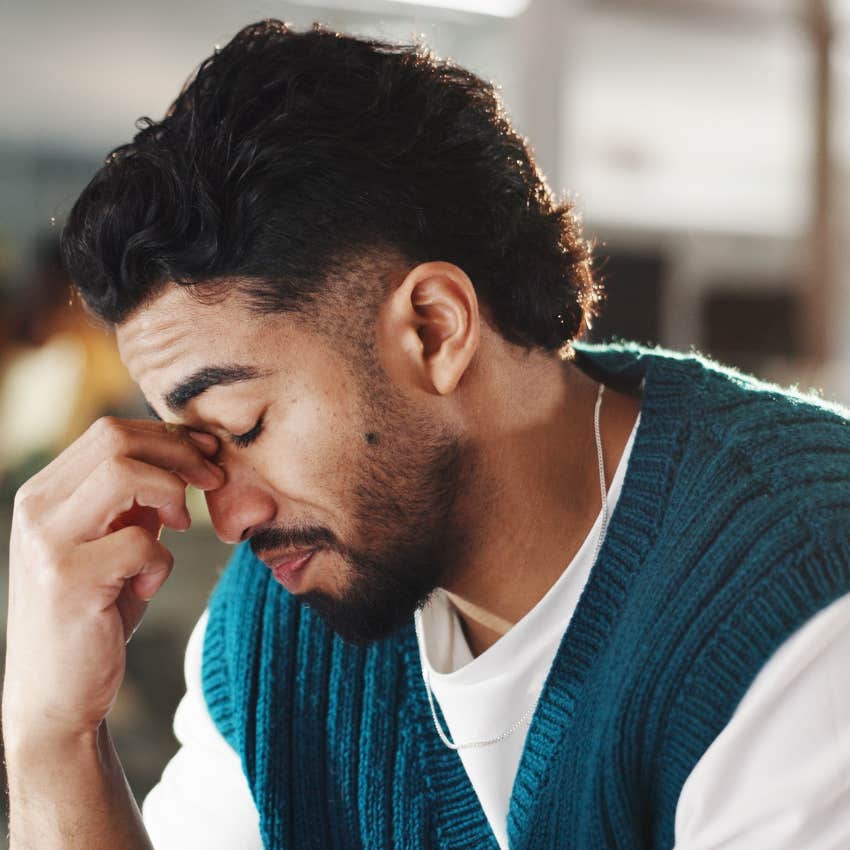
If someone's operating from a place of innate worry and restlessness, they may find it easier to control things. They expect people to act a certain way and cling to self-isolating behaviors, all to feel more "in control" of their emotional state, even at the expense of managing discomfort for growth.
Even if their restlessness is coming from not sleeping enough and feeling exhausted all the time, emotional regulation suffers when someone's not feeding their body and mind the rest it needs to thrive. They're jumpy, anxious, and unregulated, making passing behaviors like snapping at minor inconveniences more common in their everyday lives.
Zayda Slabbekoorn is a senior editorial strategist with a bachelor's degree in social relations & policy and gender studies who focuses on psychology, relationships, self-help, and human interest stories.

