
People Raised In The 60s, 70s & 80s Usually Have 5 Hobbies Younger Generations Don't Enjoy At All Anymore
 shurkin_son | Shutterstock
People who grew up in the 60s, 70s and 80s remember a time when entertainment didn't involve scrolling on a phone. They developed hobbies that required creativity and patience, as opposed to external validation from peers.
While these older generations enjoy activities in their free time that give them some kind of purpose, young people don't enjoy the same things. Especially since technology has made fun revolve around convenience.
People who grew up in the 60s, 70s and 80s have these hobbies that younger generations don't enjoy at all
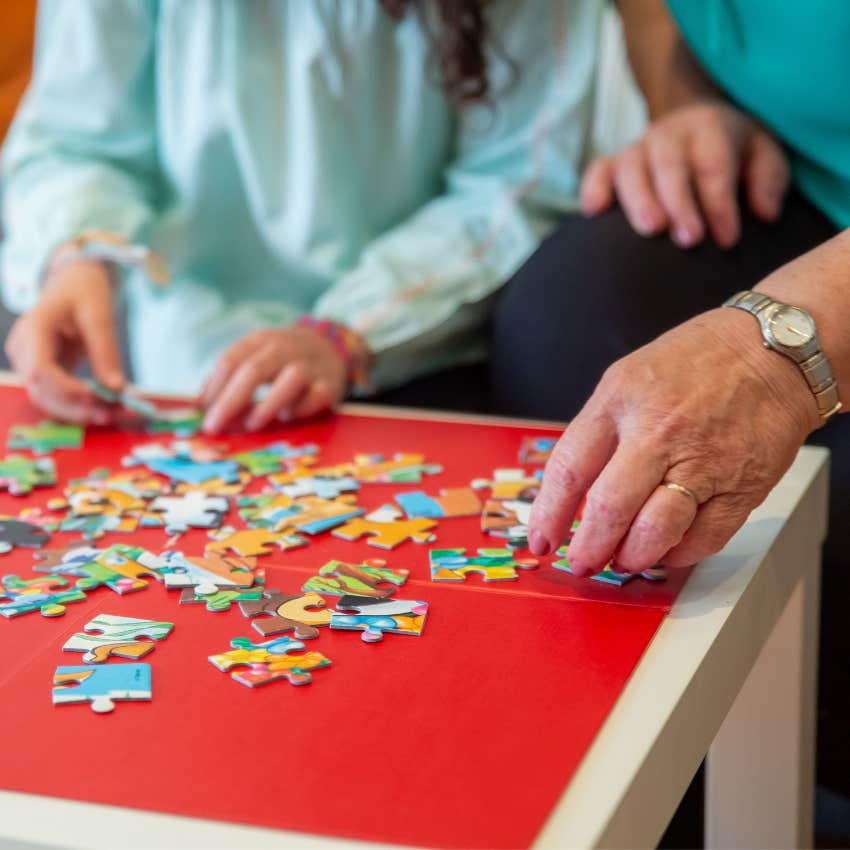
1. Spending hours working on puzzles
 Kampus Production | Pexels
Back in the 60s, 70s and 80s, there was something wonderful about doing something simple like a jigsaw puzzle. People could spend an entire afternoon on it, whether alone or with family gathered around helping.
The point wasn't to finish the puzzle in record time. Rather, the process itself was part of the fun. That kind of delayed gratification is easy to overlook now. A puzzle doesn't demand that you be especially talented, it simply asks you to pay attention and keep going.
For those raised in this time, there was no rushing the process. They couldn't skip ahead to the finished puzzle or rely on an app to solve it for them. Unlike older generations, younger people find it hard to sit with uncertainty, and think it's easier to fill an empty hour with something that requires considerably less patience.
2. Collecting items
People raised in the 60s, 70s and 80s often collected things. Perhaps it was baseball cards or comic books. It wasn't just because they liked the objects themselves, but because they thought those items could be worth something someday.
Still, collecting wasn't about making money. It was the physical object that mattered. They could hold it and display it, or talk about it with friends and family to explain why it was special.
Younger generations still collect things, but it feels different. All those physical items exist digitally, like books or games. That convenience is a great thing, but it also brings challenges to the emotional relationship people have with possessions.
3. Making things by hand
Boredom often breeds creativity, and because people who grew up in these specific decades were put in charge of their own time, they could channel that into something fulfilling. They knitted or created handmade tchotchkes to display.
Older generations weren't afraid to use their hands. They had fewer opportunities to watch someone else live out a hobby for them, and felt it was rewarding to have something tangible that they made.
But for young people, with everything available at the touch of a button, they don't always feel the need to have hobbies that involve any level of work like this. While "grandma hobbies" like crocheting and pottery are making a comeback, they prefer digital skills to manual ones.
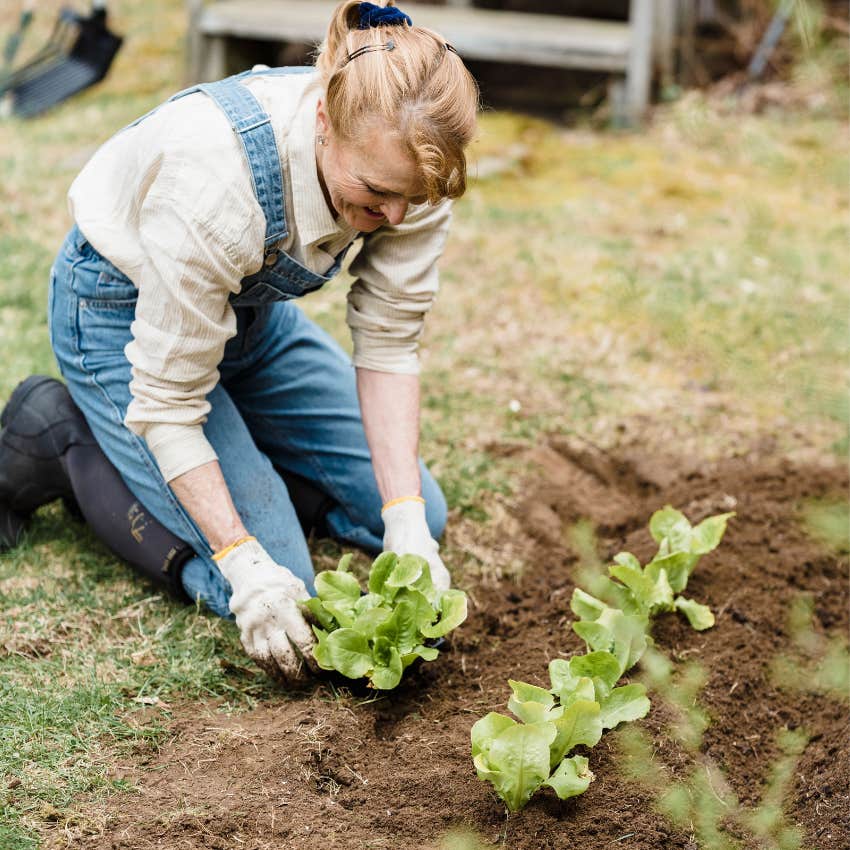
4. Spending their free time gardening
 Greta Hoffman | Pexels
Gardening is one of those hobbies that can become part of everyday life without it feeling like a formal activity. It was rewarding to eat something they planted themselves, and even a small harvest was proof that their hard work paid off.
People raised in the 60s, 70s and 80s may have gardened because it was something their neighbors or relatives taught them. They learned by watching and doing, as opposed to younger generations who rely on things like tutorials or how to videos.
While they aren't opposed to gardening, modern life often makes it harder to do. They may not have the space or financial freedom, even if it interests them. They also tend to rely on convenience for their food, using delivery services or going to the grocery store.
5. Playing outside without needing an organized activity
One of the biggest differences between older and younger generations is that, as kids, older people spent enormous amounts of time outside. They rode their bicycles everywhere and spent their free time with neighborhood kids playing.
There usually wasn't a specific plan, they just went outside and figured out what to do. Their parents weren't supervising them, so they had lots of freedom to roam. That sounds almost strange now, as most children's free time today is much more structured.
There are after school sports and weekend lessons. And when children do go outside, parents are concerned about where they are and who they're with.
But back then, people had to invent their own entertainment. They dealt with boredom long enough for an idea to appear. Unfortunately, for younger generations, where entertainment is always available, it's increasingly difficult to just sit with nothing to do.
MeShanda Deason is a writer with a BFA in Creative Writing from Stephen F. Austin State University and minors in Business Communication and Literature who covers storytelling, culture, identity, and human connection across editorial, journalism, and marketing spaces.

