
Kids Without A Lot Of Friends Growing Up Usually Have 7 Hobbies That Bring Them Joy As Adults
 Olena Yakobchuk | Shutterstock
We’ve come to better understand how unhealthy social isolation is, so it’s not surprising that kids who don’t have a lot of friends are more likely to struggle with their mental health later in life.
Even if they develop solid friendships when they’ve grown up, it’s hard to shake those memories of loneliness. These people still turn to some specific hobbies as adults to fill that void.
People who didn’t have a lot of friends growing up usually adopt these joyful hobbies:
1. Reading
 digitalskillet from Getty Images via Canva
Getting lost in a book gives anyone who knows what it’s like to not have a lot of friends a sense of connection they’re desperately seeking. Reading fiction means being introduced to characters you can grow close to and a setting that can feel incredibly real.
It’s an immersive experience that really does lessen feelings of loneliness. When someone doesn’t have many opportunities for social interaction in their own life, living vicariously through characters who do can feel really comforting.
2. Hiking
Hiking, or just going for a walk in general, obviously comes with a lot of health benefits. Because of the effects of being in nature and getting exercise, it also boosts people’s mental health.
Aside from that overall improvement, going for a hike gives people who once felt like they didn’t have a choice about being alone a greater sense of control. They’re making the conscious decision to spend time alone, which is an empowering way for them to reclaim their narrative.
3. Photography
 Rawpixel.com | Shutterstock
Research has shown that taking up photography as a hobby has therapeutic benefits. Although it involves taking pictures of the world around you, it actually helps people focus on self-reflection in a way that lets them get to know who they are better.
It’s easy to see why photography could be appealing for someone who’s struggled with friendship. Feeling lonely can make the world seem really grim, but looking through a camera lens serves as a reminder that there is still so much beauty to be found. That’s powerful.
4. Writing
There are different ways that writing can be beneficial as a hobby depending on what someone enjoys most about it. Some people prefer journaling about their personal experiences, which gives them the chance to express and process their emotions in a healthy way.
Others would rather create fictional worlds of their own. This is also a way for them to get their feelings out, but it has more to do with the control that comes with being an author telling a story.
Whatever form of writing a person enjoys best, it can help fill that hole created by a lonely childhood. It’s a deeply personal hobby that gets them out of their heads.
5. Fishing
 Brett Sayles from Pexels via Canva
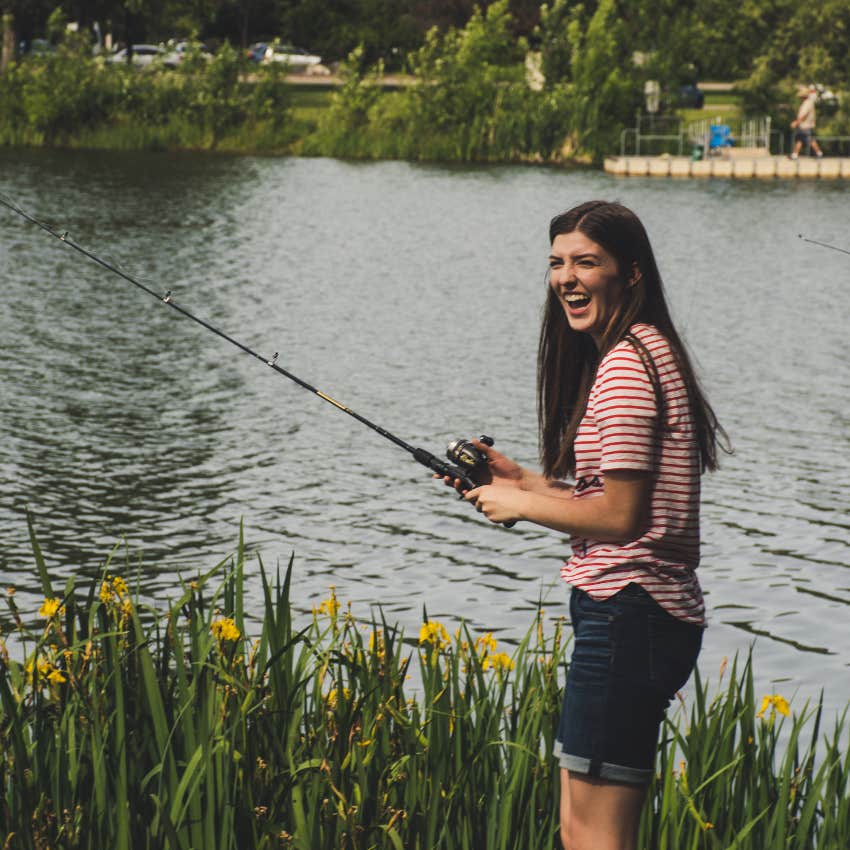
Fishing might sound like a strange hobby for people to take on when they didn’t have lots of friends as a child, but it comes with a lot of mental health benefits. Fishers get to spend time outside and learn a skill that’s bound to give them a chance to make mistakes.
Interestingly, if someone wants to be alone because they didn’t grow up with a lot of friends, fishing can provide an opportunity similar to hiking. But if they want to build stronger social bonds, fishing with other people can make them feel like they’re part of a community. It serves both purposes.
6. Gardening
Gardening is one of those hobbies that was associated with older people for years before it exploded in popularity across age groups. Taking care of plants shows people how needed they are in the world, even if other people haven’t always made them feel that way.
It also forces them to surrender some of their control, though. There’s only so much someone can do to stand in the way of nature. Gardening can never be perfect, but it proves that beautiful things don’t have to be flawless.
7. Traveling
Any kind of travel comes with lots of benefits, but people who didn’t have many friends growing up might be particularly interested in solo travel. It sounds counterintuitive to spend more time alone, but it’s really not.
Traveling alone gives someone the chance to meet new people who don’t have any preconceived beliefs about who they are. It’s also a way for them to get in touch with their emotions while doing activities they really are interested in instead of whatever the group wants to do. It’s introspective and empowering at the same time.
Mary-Faith Martinez is a writer with a bachelor’s degree in English and Journalism who covers news, psychology, lifestyle, and human interest topics.

