
Boomers, Gen X, Millennials & Gen Z Completely Disagree On What Makes Someone Classy
 PeopleImages / Shutterstock
When people hear the word classy, they generally picture someone elegant and polished, with the manners to match. In reality, however, what classiness looks like depends a lot on who you ask, and perhaps especially on how old they are.
From baby boomers to Gen Z, perceptions of sophistication tend to shift over time. Ideas about what is considered proper etiquette and style are based on exactly what it is that each generation prioritizes.
Gen Z, millennials, Gen X, and boomers totally disagree about what it is that makes someone classy.
As a generation with more old-school values, baby boomers know money can't buy true class. Class can only be demonstrated through your everyday actions. They believe in showing the same respect to everyone you come across, whether at a fancy restaurant or the grocery store. Saying "please" and "thank you" goes a really long way with them.
 insta_photos | Shutterstock
Boomers also associate having class with being humble. Flashing wealth and seeking attention are seen as tacky rather than impressive. They like to look put together, but they don't use it to prove their worth.
Perhaps that's why social media doesn't necessarily fit into the boomer definition of classy. In fact, it may actually work against it. Oversharing personal details and seeking validation online isn't at all how they view sophistication. They believe class is understated and can't be faked.
In Gen X's eyes, a classy person is someone who is authentic and real.
Gen X takes a far more laid-back approach than the boomers. They're less concerned with having proper manners and more interested in whether someone is genuine. Being comfortable in your own skin is better than having designer labels and flashy things.
 insta_photos | Shutterstock
Since they grew up in a time of big changes and uncertainty, being independent matters more to this generation than maintaining a shiny and perfect appearance 24/7. They absolutely appreciate someone with good style, but other traits are more important. Maturity and self-awareness speak much louder to them than a curated image. In fact, even when it comes to fashion sense, they appreciate people who take a unique approach.
From their perspective, the classiest people aren't trying to prove anything or fit into a specific mold. They know who they are inside, and what's most important is taking care of themselves.
Millennials equate having good character with being classy.
Similar to previous generations, millennials strongly value treating people kindly. Making sure others feel included and tapping into emotional intelligence rank high on their list of classy attributes, outweighing the pressure of social expectations and the desire for perfection.
 insta_photos | Shutterstock
They're quick to spot performative behavior and more willing to call it out. Trying too hard to look successful can be more cringeworthy than classy. Instead, millennials admire people who are confident and financially responsible without being arrogant or showing off.
Being classy doesn't mean showing people what you think they want to see. It's living what you believe in, even when no one else is watching.
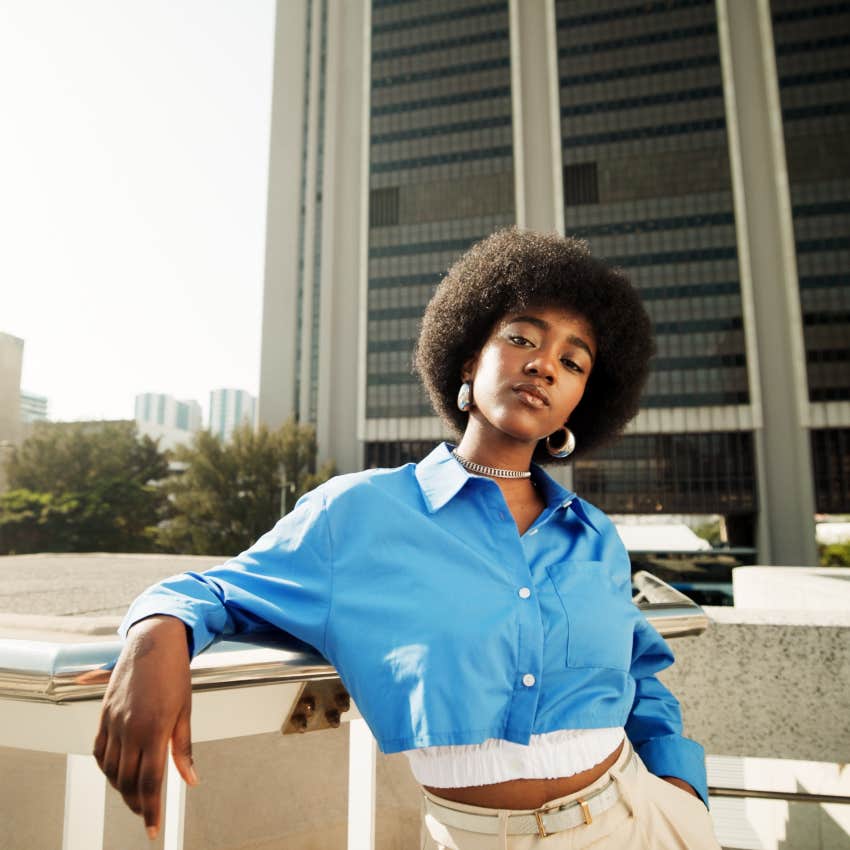
Embracing individuality is the height of classiness for Gen Z.
According to Gen Z, fitting should never be the goal. They don't care what society expects of them. They are far more interested in being comfortable enough to ignore it.
 PeopleImages | Shutterstock
They appreciate personal style, but only as a form of self-expression. Thrifting has become a popular pastime for this generation because they know vintage finds and unique fashion can be even more impressive than luxury brands.
Flashy lifestyles don't automatically mean success, the same way they might have for earlier generations. In fact, excessive displays of wealth seem a bit out of touch. Gen Z is more likely to admire someone who lives intentionally and supports the things they care about.
Kayla Asbach is a writer with a bachelor's degree from the University of Central Florida. She covers relationships, psychology, self-help, pop culture, and human interest topics.

