
9 Legitimate Reasons Pretty Much Everyone Seems So Awful & Mean These Days
 Pereslavtseva Katerina | Shutterstock
Life is hard, but in many ways, it always has been. So, what makes today's culture and society so much different from previous generations? What are the reasons why everyone seems so awful and mean these days?
As it turns out, there are actually many unique struggles that people today are dealing with, especially those entering adulthood or starting new life stages amid this chaos. These struggles might have been around before, but this world is entirely new.
The legitimate reasons why everyone seems so awful and mean these days
1. Access to convenience
 PeopleImages | Shutterstock
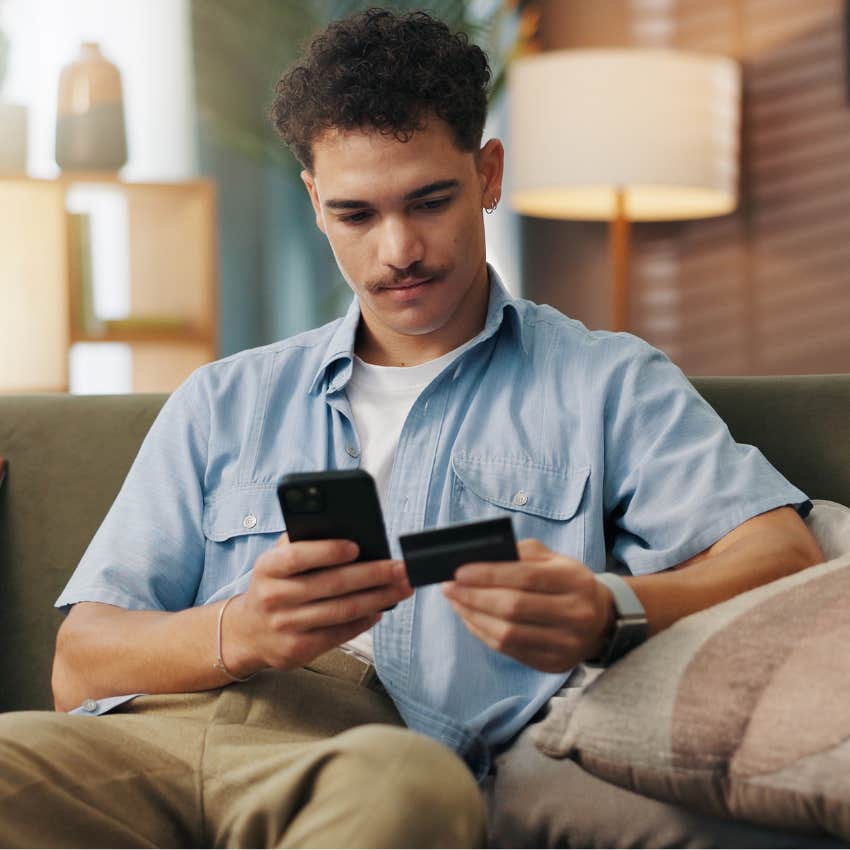
In many ways, instant gratification and convenience are making people more entitled and mean. We're not putting real effort into anything because we equate goodness with ease and comfort. But true growth and the kind of progress that makes our lives better often comes from managing discomfort.
Nobody wants to go out of their way to talk to strangers or invest in community, despite craving it on a deep, human level, because they are seeking an aura of convenience in every part of life.
2. Constant screen time
More screen time, whether it's from doomscrolling on our phones or watching mindless entertainment, worsens our mental health. Not only that, but we're often also subjected to a slew of negative experiences, from comparison culture to toxic beauty standards, and all kinds of complex feelings like "I'm not doing enough" or "I'm behind."
When we see the highlight reels of other people's lives or a picturesque life from the media, it's easy to feel like we have terrible lives. It's from that place of lack and inadequacy that anger and meanness come from.
3. Financial issues and money stress
When money stress and all kinds of financial issues provoke psychological distress, as they often do, according to a study from the Journal of Family and Economic Issues, it's not surprising that people turn cold.
Their brains can only handle so much, and when they're living in survival mode, trying to pay their bills and put food on the table, the kind of energy that kindness and empathy require can be difficult to muster. Even the best people can turn cold by the struggle of survival, whether it's working in an insecure job or not having extra cash to build an emergency fund.
4. Community coming at a cost
With the deterioration of third spaces and communities that now have a price tag for entry, more people are growing isolated from their people. In times of struggles or economic turmoil in the past, people at least had their community spaces to resort to. Now, many people feel stuck at home, without the money to afford a coffee at a café or an afternoon at the beach.
Belonging is a necessary human need, but it also brings meaning and purpose to our lives. We're happier when we belong to something bigger and have the meaning of this bond to define a piece of our lives and identities. Without these necessary spaces and communities, people are more awful and disconnected than ever.
5. Media overload and overstimulation
 Mahir KART | Shutterstock
Media overload, or the constant influx of headlines and content, is hurting our collective mental health in huge ways. Not only is it overstimulating, especially amid the stressors of daily life, but it puts us in a terribly pessimistic place where we're only ever being fed the worst stories about the world and other people.
That's how algorithms work. It's the content that drives the most emotion and is the most intense or sad that drives engagement, getting pushed farther and wider than before.
Our nervous systems, wired for idleness and yearning for peace, deserve more. They're stuck in survival mode, without a chance to slow down or practice mindfulness amid all the noise, and it's making us angry and sad.
6. Rudeness being contagious
The more entitled our culture grows and the more rude people become, the more contagious these experiences become. When someone is rude to a stranger, that stranger often responds with rudeness. It's a cycle that spreads farther than we realize, even when our rudeness or blunt communication isn't meant to be malicious.
With narcissism and entitlement already rising, the most common precursors to rudeness, everyone seems more awful and mean. We're being subjected to a contagious disease of rudeness every time we step foot out of the house or have a conversation with someone.
7. Everything feeling so polarizing
Our world, but more specifically, the United States, is so incredibly polarized. And it's growing faster than we even realize.
Literally everything is a battle. Political beliefs, personal morals, identities, chosen labels, and family structures. There's a real-life "bean soup theory" playing out in culture, where everyone expects content and conversations to coddle their interests and beliefs, not realizing that opposing perspectives actually make us smarter, more grounded people.
In a society where we're all craving feelings of hope and connection, it's sad that polarization and entitlement around some of the most basic beliefs are making it hard to love our neighbors. We're meaner to everyone and more defensive. We miss out on the beauty of conversations with people who don't share our same opinions on everything.
8. Growing entitlement
Entitled people feel like everyone's time and effort are theirs to leverage and use. They feel entitled to other people's energy to make their lives easier. That's why we're becoming more awful and mean as a society, because we expect things from people without giving anything in return.
We can't do anything for ourselves or be patient. We can't slow down or appreciate mindfulness. We think we're better than everyone, even if that means isolating ourselves under false ideas of confidence and status. Not only is this entitlement isolating, but it also sabotages our capacity for empathy in insidious ways.
9. Burnout
 PeopleImages | Shutterstock
When we're exhausted, we usually only have the space for survival. We eat, sleep, work, and repeat. That's why living in a culture that glamorizes exhaustion and normalizes burnout is so toxic.
Not only are we becoming shells of ourselves, with less energy to invest in self-empowerment and well-being, but we have less to give others. We become isolated from other people and efforts that need our help.
Especially for people who also don't have the luxury of money to take a vacation or break, these hustle culture experiences are making us worse people over time.
Zayda Slabbekoorn is a senior editorial strategist with a bachelor's degree in social relations & policy and gender studies who focuses on psychology, relationships, self-help, and human interest stories.

