
People Who Suddenly Get Productive Right Before They Go To Bed Usually Have 11 Distinct Traits
 cottonbro studio | Pexels
Staying up too late can put your well-being at risk, but staying up while keeping boundaries to protect your rest can be good.
For people who suddenly get really productive right before they go to bed, their special traits make night owl behavior a little more constructive. Much like a good attitude and relationship with solitude makes it healthier to indulge in, they're getting more from staying up late than they may even realize.
Traits that people who suddenly get productive before going to bed often have
1. They're intelligent
 PeopleImages | Shutterstock
Many night owls boast higher cognitive functions than others, so it's not surprising that people who feel most productive before bedtime have inherently intelligent traits. They have deep-thinking minds that act on curiosity, and are especially active without distractions.
When it's time to go to bed, they can finally dive deeper. They think about things without distractions and are creative, even if everyone else is asleep.
2. They're creative
Creative people tend to enjoy a lot more idle time because they need solitude without distractions to feel productive. They're most productive when nobody is distracting them, whether it's early in the morning or late at night when they're finally alone.
They need the peace and quiet and comfort to lean into their creativity, even if it means needing to stay up a little later to feel most inspired.
3. They show up for a lot of people
The people who are productive night owls give too much of themselves away during the day. They need the quietness and stillness of late night hours, because when everyone else is awake, they have a reason to show up.
Between family responsibilities or an internal pressure to put others first, they drain themselves by absorbing external energy and not looking out for themselves. But when the night rolls around and it's just them, they have the time to invest back into their needs.
4. They're sensitive
Many highly sensitive people are at a higher risk of feeling overstimulated by the kinds of sensory information that others overlook easily amid daily life. They tend to be overwhelmed quickly, which explains their appreciation for the peace of stillness and solitude.
With fewer distractions and more quietness in the late hours before bed, they're more productive. They can think and live without being distracted by everything else.
That's part of why people with ADHD are also more likely to be night owls, because the stimulation that usually distracts them isn't around to throw off their focus and creativity.
5. They have flexible, unconventional schedules
 SeventyFour | Shutterstock
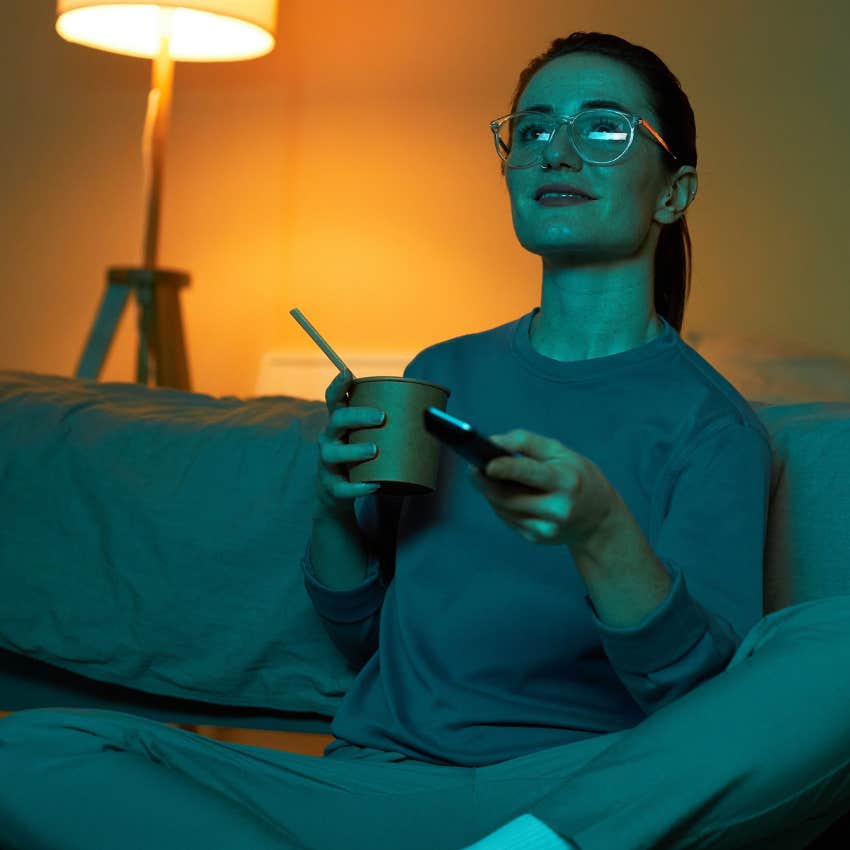
Outside of the pressures of a routine during the day, they can do what they want and focus on things that actually feel valuable to them in the quietness of the evening.
While night owl behaviors can sometimes harm mental health, if they're careful about protecting their sleep and boundaries, carving out this time to focus on what's important to them can benefit their lives in other ways. They can entertain curiosity and dive deeper into their own interests, without feeling pressured to keep it structured.
6. They're introverted
Introverts already have a natural preference for solitude and alone time, but they really appreciate the peace that comes with not having to entertain others. Their social battery requires solitude to recharge, but they also tend to enjoy not having constant distractions and stimulation as they do out in the world.
There's less pressure to be available, giving them the freedom to go into their own world after everyone else has gone to sleep.
7. They procrastinate during the day
Procrastinating things all day often creates more stress and worry for people. But it also encourages them to stay up later than they need to, working on things that can't be pushed off any longer.
They're most productive right before bed because there are no more excuses to protect their passivity. When they have to get something done, they're focused because there's no getting out of it.
8. They have a vivid imagination
Many truly creative people do their best work at night. It's not only because it's quieter and less distracting than their daily routines, but because bedtime is a sweet spot for imaginative thinking.
That space right before nodding off activates the brain centers responsible for creative insights, giving people inspiration and ideas late into the night.
So, if a creative person or someone with a wild imagination is trying to fall asleep, this natural process might encourage them to feel productive late at night because it's when their inspiration hits.
9. They're more focused without others around
When there's less pressure from other people at night, it creates a space for truly authentic focus and concentration. For someone who's prone to performing for others or stressing themselves out about showing up perfectly, the casual setting of their own evening routines can let them brainstorm and think freely.
They can process emotions and consider their own ideas without worrying about having to please or perform for anyone else.
10. They need comfort to focus
 New Africa | Shutterstock
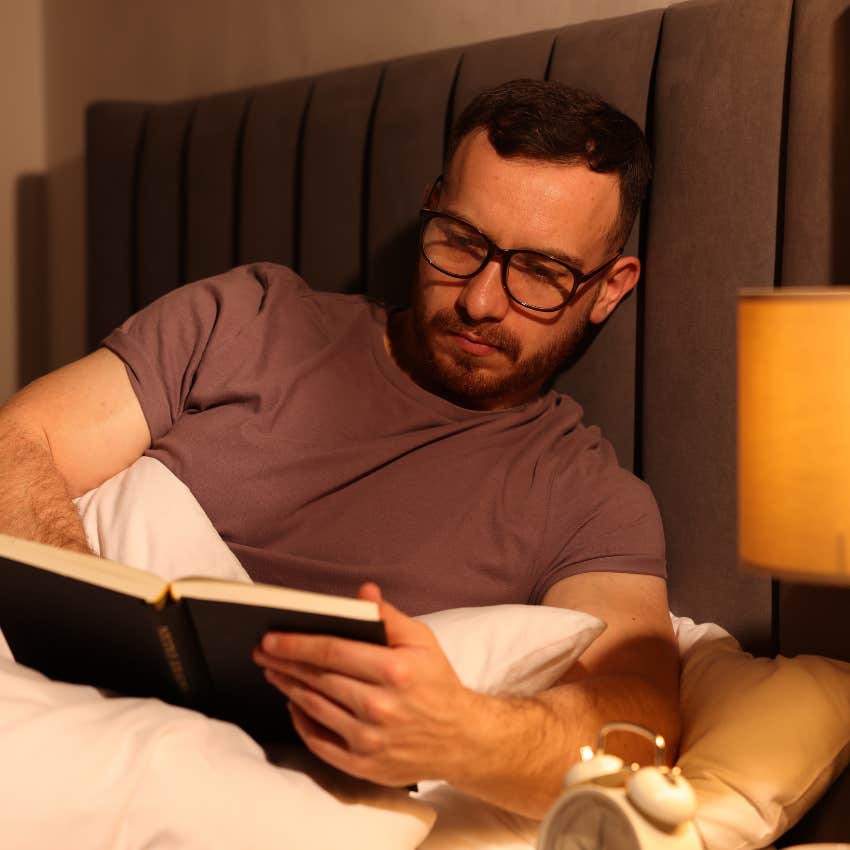
Sometimes, simply being in their own environment and not being distracted by people is enough to promote productivity closer to bedtime. For someone who needs comfort to be able to focus, this time is perfect for projects that didn't get their time during the day.
This is exactly why happy workers tend to be more productive. We do our best when we feel good and comfortable with ourselves, whether that's at home or not.
11. They're overthinkers
The stillness before bed can bring up all sorts of emotions and ideas for an overthinker who doesn't have the chance to make space for it during waking hours. Their unrestricted minds could bring up more tasks and obligations, keeping them awake for longer.
The tendency to overthink without distraction at night is part of the reason why night owls often face higher risks for anxiety and depression. Their minds can run off without the stimulation of everyday life to deter them.
Zayda Slabbekoorn is a senior editorial strategist with a bachelor's degree in social relations & policy and gender studies who focuses on psychology, relationships, self-help, and human interest stories.

