
People With Lots Of Empathy But No Patience For Excuses Rarely Tolerate 6 Behaviors
 CURAphotography | Shutterstock
Compassion and empathy go hand in hand, but that doesn't mean empathetic people look the other way when the people in their lives would rather make excuses than own up to their mistakes.
That’s why the healthiest empaths, who protect their energy and show up as the best versions of themselves, often have no patience for excuses and rarely tolerate these specific behaviors.
Behaviors empathetic people with no patience for excuses refuse to entertain:
1. Playing the victim card
 DexonDee | Shutterstock.com
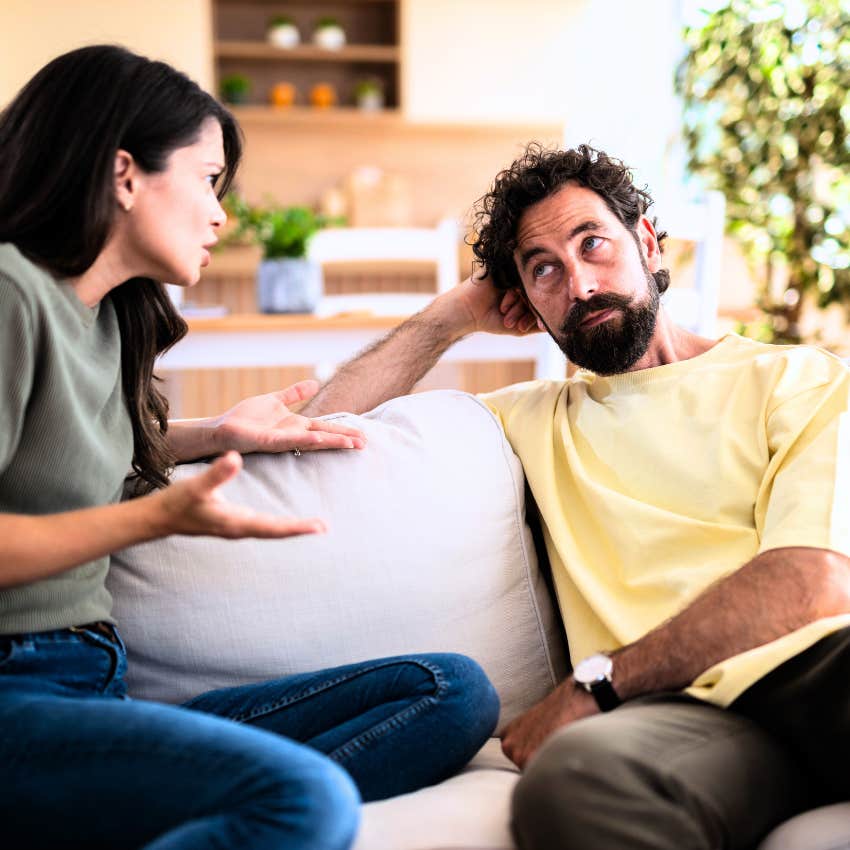
Empathetic people are really good at helping people through hard conversations. That's because even with all the stress or complicated emotions, they make an effort to meet people where they are. They’re great listeners, and they can see both sides of a story. However, when someone refuses to talk openly and honestly, it can create a lot of resentment and frustration.
Deflecting or avoiding responsibility feeds a victim mentality. This mindset sabotages critical thinking and reflection by trying to control a narrative that makes them look innocent and protects their pride.
2. Being consistently unreliable
A few canceled plans or sick calls are fine, especially around empathetic people who can understand and give grace. It’s completely normal, and as long as they’re being honest, there’s usually no drama. However, being consistently unreliable and disrespecting other people’s time and effort is another story.
Empathetic people aren’t pushovers. If someone breaks commitments and doesn't keep their promises, they won't put their well-being and time on the back burner to keep the peace.
3. Being rude to service workers
 MDV Edwards | Shutterstock.com
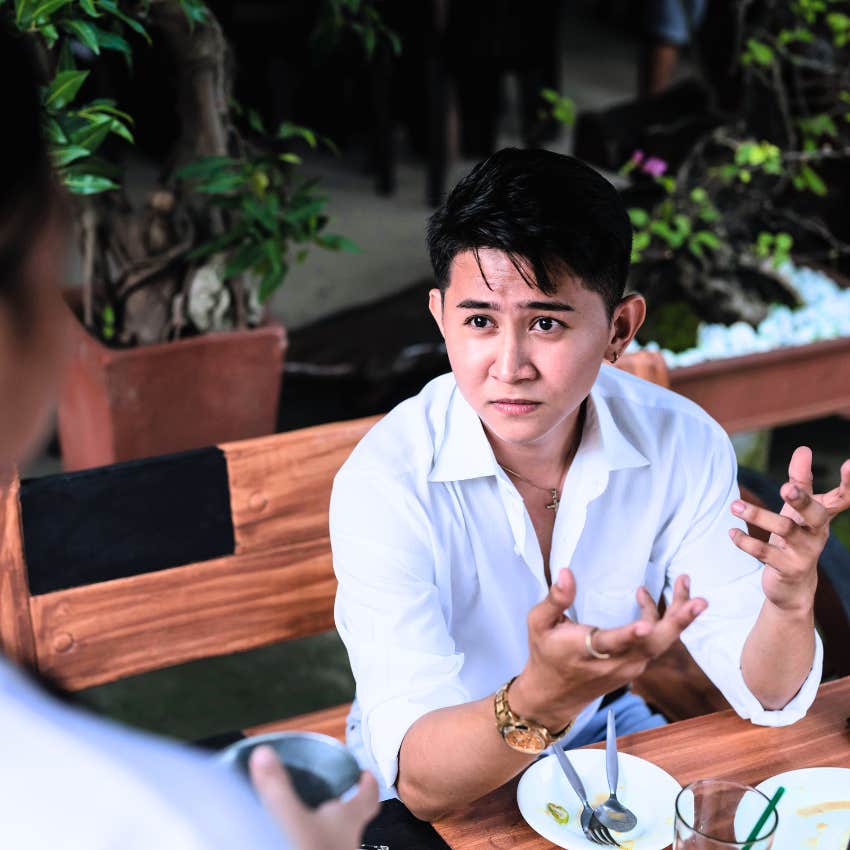
Whether it’s tipping poorly or being rude when a server makes small talk, empathetic people aren’t putting up with this kind of entitled behavior.
Rude customers and entitlement also tend to take an emotional and mental toll on service workers themselves. So, it’s not surprising that an empath, who senses other people’s emotions quite easily, is affected when someone in their circle makes all kinds of excuses for being cruel.
4. Talking poorly about someone behind their back
Empathetic people are not about spreading rumors or just talking about someone who’s not in the room to defend themselves. They might sometimes soak up the benefits of venting with friends they trust, but they’re not interested in gossip for the sake of entertainment.
When someone is making fun of someone for no reason, they have little patience for whatever excuses they’re using to justify the behavior. They’ll always find a way to validate another person’s experience and to understand where they’re coming from, rather than taking the easy way out with name-calling and cruelty.
5. Being dishonest
Empathetic people are known for being understanding. That’s their whole thing.
That’s part of why they’re so committed to honesty. They’re willing to give people the benefit of the doubt, but when someone deceives them over and over, with a million excuses for why they had to tell a lie, their patience runs dry.
They know that being dishonest and telling lies again and again takes much more effort than being honest, which is why it’s hard to keep accepting someone’s excuses.
6. Chronic complaining
 BongkarnGraphic | Shutterstock.com
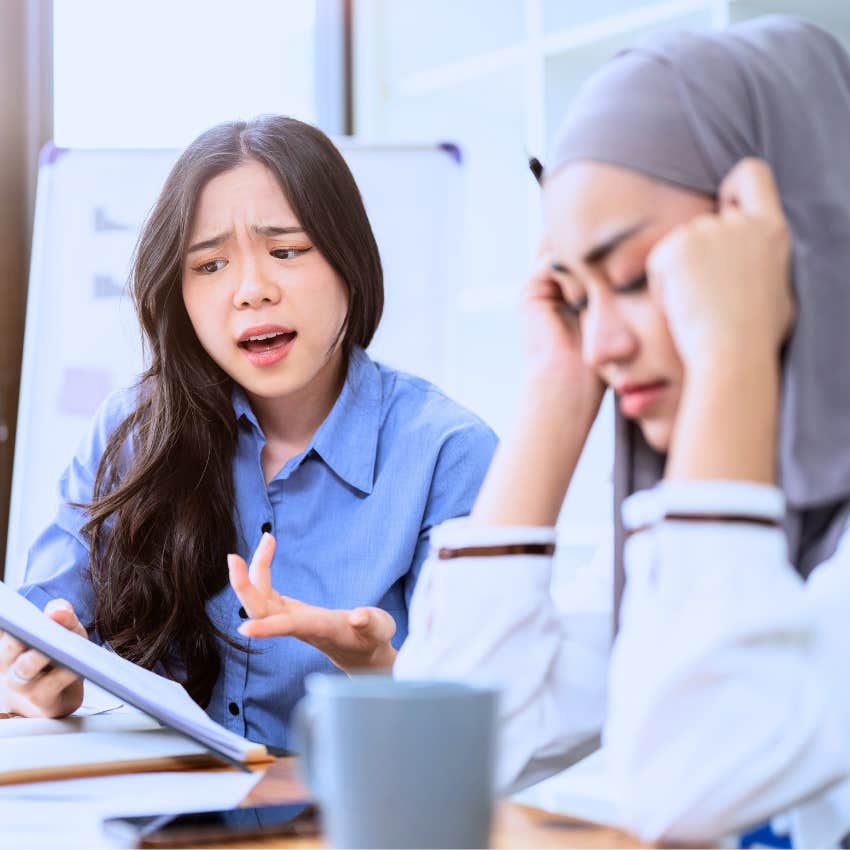
While an empathetic person is an expert listener and often supports people’s complex feelings, there’s a certain point where being a therapist friend starts to hurt them. They tend to absorb other people's already contagious emotions more than the average person, making it draining to be around a chronic complainer.
They don’t expect everyone to know exactly how to act on their struggles, but when they’re expected to fix someone’s problems or keep making space for them without anything changing, it becomes a burden. They’ll give people grace, but at some point, they have to also protect their own emotional energy.
Zayda Slabbekoorn is a senior editorial strategist with a bachelor’s degree in social relations & policy and gender studies who focuses on psychology, relationships, self-help, and human interest stories.

