
Millennials & Gen Z Have A New Splurge Item And It's Actually Very Sad
 STEKLO | Shutterstock
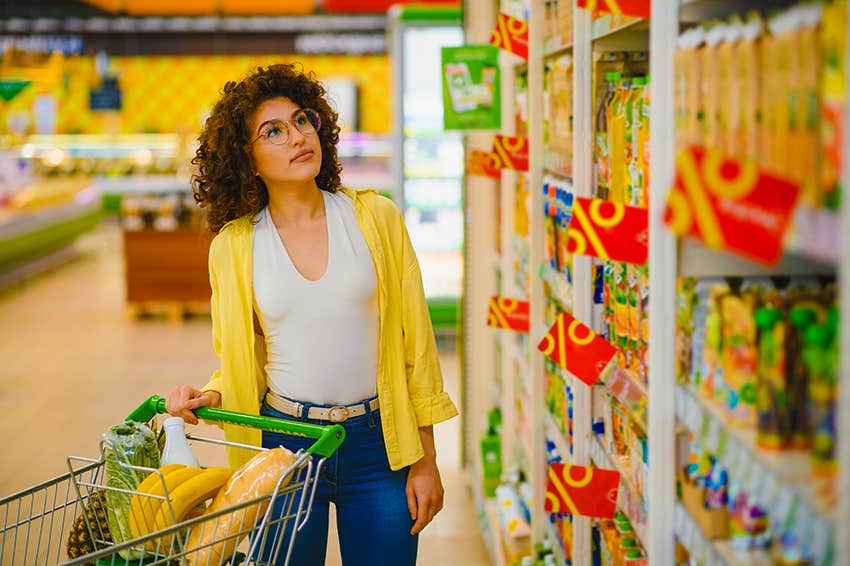
Groceries are apparently the newest splurge item for millennials and Gen Z. A Business Insider article drew criticism after describing groceries as a trendy splurge for younger generations, but recent research paints a much bleaker picture.
A 2026 Urban Institute report found that many working-age Americans are relying on credit cards, savings, and Buy Now, Pay Later services to afford food. While some millennials and Gen Zers may choose premium products over traditional luxuries like vacations or gifts, calling groceries a splurge ignores how painfully expensive this basic necessity has become.
Millennials and Gen Z are supposedly splurging on groceries because other luxuries are out of reach
 Hryshchyshen Serhii | Shutterstock
Food author Michael Hayes argued on TikTok that the article unfairly shames millennials and Gen Zers for spending money on groceries while portraying their financial reality as if they're living lavishly. The article did not mention rising rent costs, the inability to purchase homes, or insurmountable student loan debts. Instead, it focused on purchasing groceries.
The article suggests that millennials and Gen Zers are spending more than older generations on premium food items, which adds fuel to the fire of negative discourse about their spending habits.
Some, of course, admit they purposefully choose to buy more expensive items at the grocery store, but it's not because they're irresponsible. "I can't afford a European summer trip," one commenter noted, "but I can get the better reusable olive oil that's not clogging my arteries. Hooray!"
For many millennials and Gen Zers, spending more on groceries isn't really a choice
One estimate suggests the average American household spends nearly $500 a month on groceries, though the actual amount varies considerably based on household size, location, and dietary needs. People who choose fresh produce, minimally processed foods, or certain organic products may spend more depending on where they shop and what's available.
For some shoppers, paying more reflects a preference for particular ingredients or production methods. We all have to eat, but limited time, access, and money can make heavily processed foods the easiest or most affordable option for some households.
As food costs rise, people are questioning their food security and making choices that hurt their health to simply put food on the table. On top of rent, bills, healthcare, and other essential costs, food has become the sacrifice.
The Urban Institute report shows that more than one in four working-age adults used credit cards to buy groceries in 2025 and struggled to repay what they owed. Nearly one in five pulled money from savings that wasn't meant for regular expenses, while almost one in 10 used Buy Now, Pay Later services to afford food.
These families aren't treating groceries like an exciting splurge. Many are going into debt or draining their savings just to put food on the table.
What's being framed as financial irresponsibility is actually a sign that basic necessities have become unaffordable for many Americans.
 Anatoliy Cherkas | Shutterstock
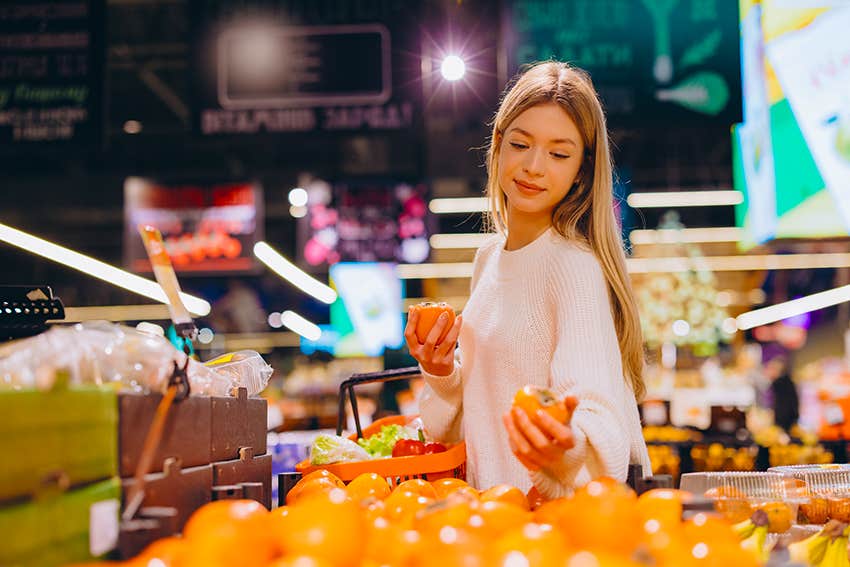
As information about food quality and nutrition becomes more available online, many millennials and Gen Zers are paying closer attention to what they eat and how their food is produced. The typical American diet in the U.S. is composed of roughly 60% processed foods, from sodas to pre-packaged meals. Many people have been forced to weigh convenience and cost against overall health and nutrition.
In addition to alarming statistics about decreasing quality and nutrition in American foods, research conducted after the pandemic found that food prices increased across several categories, adding to the difficulty many households already faced when trying to afford nutritious meals. So, while healthy food prices have grown inaccessible and expensive for everyone, younger generations are more likely to splurge on them, considering the wealth of knowledge they're exposed to about their importance.
Kimberly Stover explained on TikTok that many Americans feel they have to pay more for higher-quality groceries to protect their health, especially since getting sick can bring its own major expenses. So, while critiques of younger generations buying avocado toast and take-out coffees dominate much of this conversation, these younger generations' experiences are a humbling reminder of the sad reality.
Instead of vacations, retirement planning, and homeownership, many Gen Zers and millennials are spending a larger share of their budgets on food, leaving less money for travel, retirement savings, and homeownership.
Zayda Slabbekoorn is a News & Entertainment Writer at YourTango who focuses on health & wellness, social policy, and human interest stories.

