
9 Normal Things That Were Cheap Just 10 Years Ago But Now Feel Like A Financial Investment
 Prostock-studio | Shutterstock
Plenty of everyday goods are now unaffordable, and places like the Midwest, known for its affordability, are becoming epicenters of financial crises.
Many of these normal things, like gas and groceries, were considered cheap just 10 years ago. But now, they're burdening families and creating stress for middle-class people who didn't always have to worry so much.
Things that were cheap 10 years ago but now feel like a financial investment
1. Groceries
 Hryshchyshen Serhii | Shutterstock
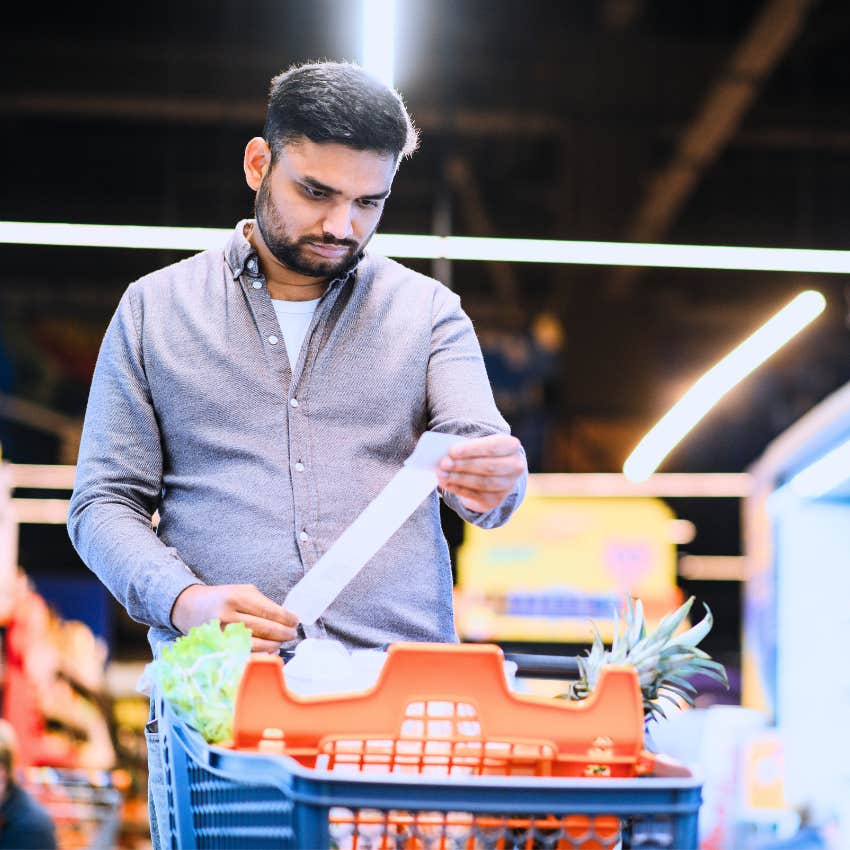
According to a survey from the Associated Press, many American families are completely stressed out about affording groceries. Even for people opting only for name-brand foods and cutting coupons, budgeting for food prices feels impossible without sacrifice.
While 10 years ago, groceries were a nonnegotiable for many, today people are having to scale back to afford their bills. Families are also cutting back on fun spending to save money, and figuring out which bills they're going to pay late to put food on the table.
2. Going to the movies
According to a LendingTree survey, around 80% of moviegoers believe that buying movie tickets and going to the movies is completely unaffordable. With the average ticket price at $15 per person, it's a complete investment, rather than a casual Friday night outing.
It's these kinds of things that have already been cut from most American budgets, considering basic necessities are now taking almost all of people's paychecks.
3. Haircuts
Many people are spending upwards of $200-300 on haircuts. While you can certainly find a barber or a local shop for much less than that, rising prices are making them feel like luxuries, no matter your price point.
As local shops and hairstylists are forced to raise their prices to account for higher expenses, it becomes a helpless cycle for everyone. That's why so many lower-income people are opting to complete these kinds of services at home, on their own.
4. Oil changes
The average American spends over $1K monthly just to own a car. As prices rise, the little things, like replacing brake pads or changing your oil, can start to feel like a huge investment.
Unfortunately, this also means many car owners are pushing off oil changes and avoiding odd noises. They try to justify not keeping up with car maintenance out of necessity for the bills already on their plates, but end up spending more when something goes wrong that they can't ignore.
5. School supplies
 Nicoleta Ionescu | Shutterstock
In our hyper-consumerist culture today, there are many trending things that pressure families into overspending. Kids need the trendy backpacks and the Stanley water bottles to feel a sense of belonging, even if it's completely unreasonable for families struggling to afford things like pens and pencils.
But even the most basic necessities kids are expected to bring to school, are all rising consistently in price. Between things like lunch boxes, notebooks, index cards, and writing utensils, in the last 10 years, they've all become unaffordable.
6. Contacts and glasses
With the average price of prescription glasses lingering around $250 without insurance, most people absolutely can't afford to upgrade or invest in their vision. They likely can't even afford the appointment with an ophthalmologist.
It's just one of the things that people have chalked up to preventative medicine and completely avoided. It's not because their vision doesn't affect every part of their daily life, but because so many people can't afford basic medical costs.
What used to be a casual expense, especially for people with good insurance, is now a complete investment they have to save and plan for.
7. Fast food
Since 2014, many fast food restaurants have almost doubled their prices, accounting for all the inflationary pressures they have to deal with. So, even though fast food was often the cheapest and most convenient option for lower-income families, now it's turned into a financial investment.
Not only is it becoming a convenience for the kinds of people who already have the luxury of leisure time, but it's becoming entirely out of reach for the people who need it most.
8. Car replacement keys
With a busy schedule and a million moving pieces in someone's routine, it's not difficult to lose a car key. But with the cost of a replacement key sometimes going up to over $500, it can completely throw someone's financial stability out of whack.
It used to be a minor inconvenience, but now, it's a financial disaster. For the households and people who are already struggling, chances are they're going to be spending money they don't have in these emergency situations.
9. Gas
 Chebix | Shutterstock
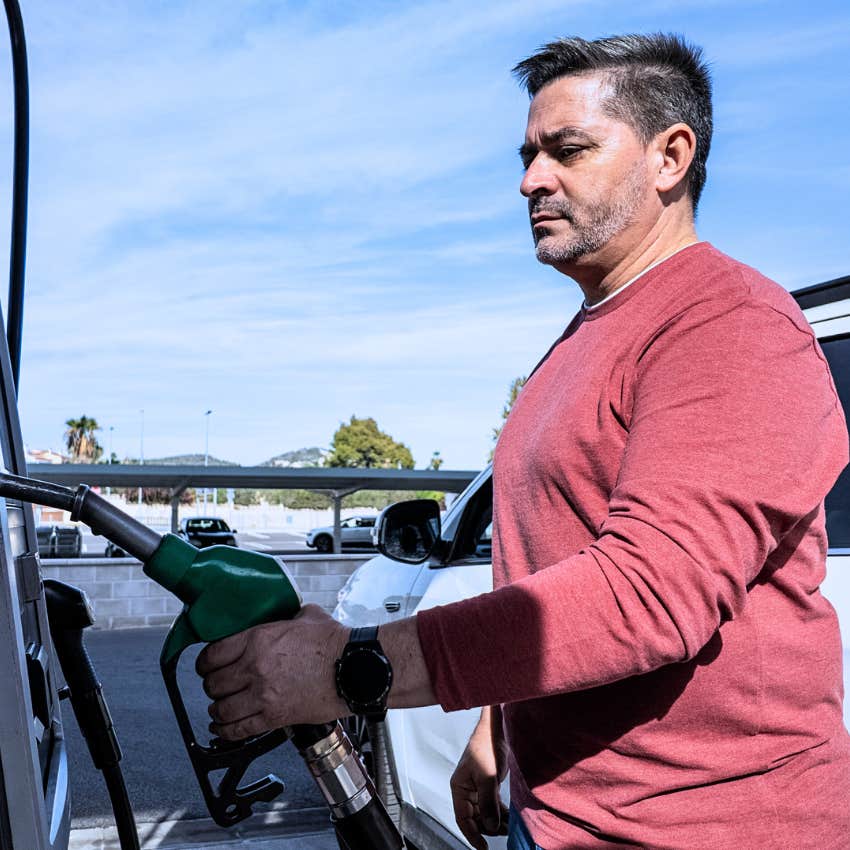
In the past year alone, gas prices have risen by an average of 39%, with diesel up 72%. But even in the past decade, gas has gone from being a normal expense to a full investment.
These wildly inflated prices are part of the reason so many Americans are struggling to afford their basic necessities. They don't have savings accounts or money for emergencies. They don't have money to invest in anything outside of the bare minimum.
So, they end up living in a chronic survival mode, at the expense of their well-being and happiness.
Zayda Slabbekoorn is a senior editorial strategist with a bachelor's degree in social relations & policy and gender studies who focuses on psychology, relationships, self-help, and human interest stories.

