
People Who Are Total Cheapskates Usually Use 9 Excuses To Avoid Tipping Fairly
 frantic00 | Shutterstock
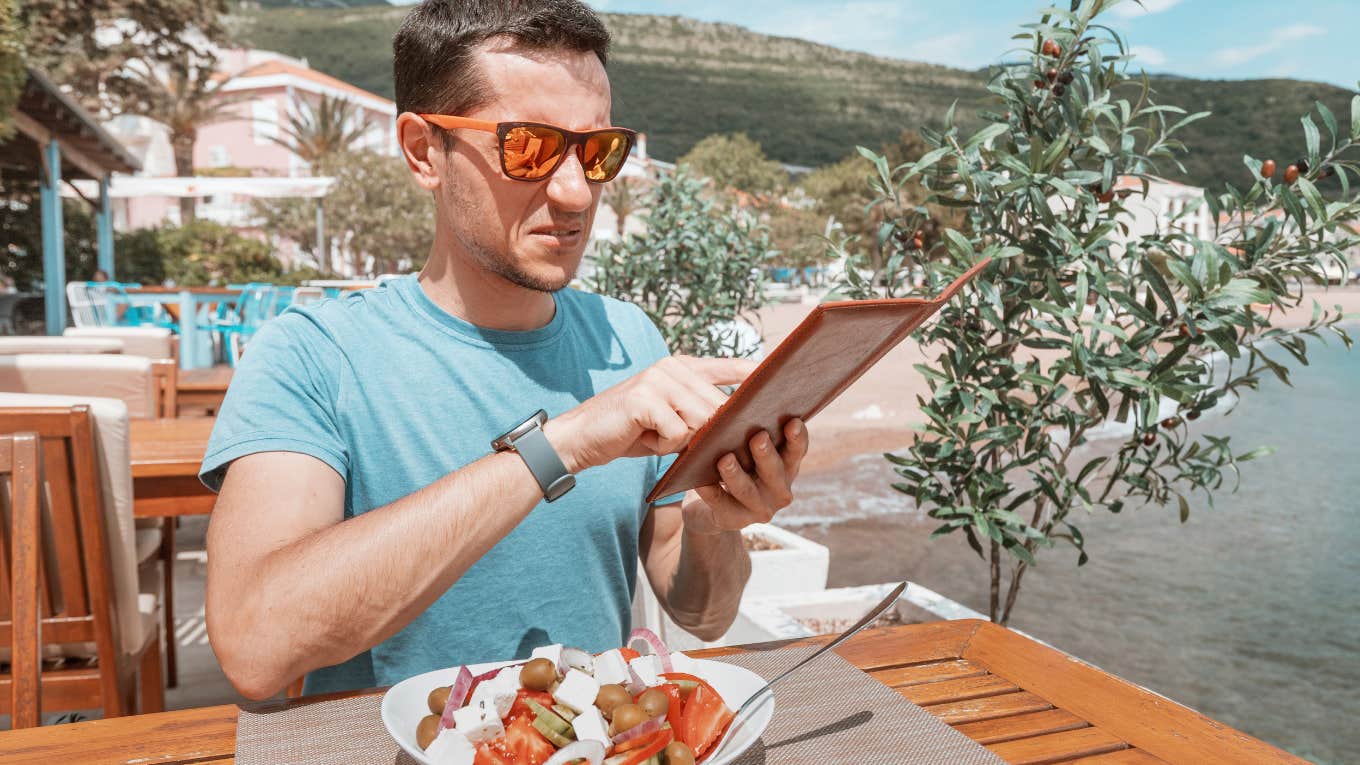
Some people, specifically penny-pinchers, would rather come up with every excuse in the book than offer a fair tip to service workers.
Tipping as a practice comes with a whole lot of questions. Are you supposed to tip 20% at restaurants? Who deserves a tip and who doesn’t? Is it based on quality of service or an obligation? Many believe that the expectation has gotten entirely out of hand. Whether you believe in tipping or not, it's how the restaurant industry works in the U.S., and that means getting on board.
Excuses stingy people love to use to get out of giving a good tip:
1. ‘They were rude’
 Chay_Tee | Shutterstock.com
Service workers who rely on tips for a good portion of their pay are at a higher risk for sleep problems and depression. It becomes a harsh cycle: people criticize their performance, which causes stress and makes it hard to show up as the best versions of themselves at work every day.
It’s ironic, considering these cheapskates likely have bad days at work and still expect to get paid the same amount. But when it comes to tipping the people serving and working for them, it doesn't compute. Maybe it’s truly an economic issue. Or maybe it’s also a problem with empathy.
2. ‘I can do what they did’
People trying to avoid tipping may also undervalue and underestimate an employee’s work because they think it’s low-brow and easy. They’re trying to justify not paying them what they deserve because anyone could do their job.
But the truth is, not everyone is. They are. There’s a reason why we go to restaurants when we don’t want to cook and serve ourselves. People are paid to do it. Just because they believe they could do it themselves doesn’t mean they should work for next to nothing.
3. ‘Food is too expensive today’
Yes, restaurant prices are rising exponentially as businesses try to cope with inflation. However, affording a meal also means affording to tip service workers who are struggling just as much, if not more than, their average customer.
Yes, there are many nuanced ways to look at economic pressures, but this is a common excuse for cheap people when they’re trying to avoid basic expenses.
Everyone deserves to go out to eat and enjoy a meal at a restaurant, but what happens when the workers serving them aren’t getting paid enough to do so? It’s an institutional problem first, but when someone has the money to tip fairly and chooses to save a few bucks at someone else's expense, it can quickly become a personal one.
4. ‘They never smiled’
Many of the most entitled customers use a person’s bad mood or lack of connection as evidence for their cheapness, and they often use phrases like this. Not getting a smile, or not having someone constantly laugh at their jokes, is reason enough for them to skimp on a tip.
However, it’s exactly this kind of misguided power dynamic between customers and the workers who need their tips to live that creates serious consequences for everyone. It’s not only morally questionable, but it’s wrong.
5. ‘I thought tips were optional’
 PeopleImages | Shutterstock.com
When tips became standard in all parts of our lives, outside traditional service environments like restaurants, everyone got a little more annoyed, service workers included. Because the more annoyed customers at self-serve establishments were asked to tip, the less generous actual restaurant customers became.
So, yes, tips might technically be optional, but the people who need them are getting less as tipping culture gets more out of control. That’s why it’s not entirely surprising that the cheapest people use an excuse like this, even in places where 20% or 25% of the bill is the standard.
6. ‘$10 should be more than enough’
Cheap people also tend to create their own definitions of fair when it comes to tipping. They’re not considering the percentages that most service workers are expecting, but doing their own math, whether that’s giving $10 on a $400 dinner bill or overlooking a tip completely for someone they don’t deem worthy of one.
They focus on their own budget and financial needs and lack the perspective and empathy most generous tippers bring when they eat out.
7. ‘Why would I tip on that?’
Whether it’s takeout or a drive-through coffee at Starbucks, cheap people will make excuses like “Why would I tip on that?” depending on where they are. They might do a standard 20% when they’re sitting at a restaurant in person, but everywhere else, they’ll find a way to justify cutting corners.
Of course, in some places, tipping culture is getting entirely out of hand. They’re asking for tips at the doctor’s office and the movie theatre, and to some, it’s absurd. However, in an economy where everyone seems to be struggling, it’s not exactly surprising.
8. ‘I don’t like to feel pressured’
Most people are completely frustrated with tipping culture, whether they tip fair amounts every time they go out or not. However, people trying to save a few bucks, who are stingy with tips, tend to get extra defensive when they’re explicitly asked to provide a tip or called out for not giving one.
They don’t like to be pressured or to feel embarrassed about their own budgeting, even when it comes at the expense of another worker. Whether it’s a screen with only a few tipping percentages listed or a worker who scolded them for tipping $5 on a $250 bill, they’ll use a phrase like this to cover their tracks.
9. ‘Everybody else will tip’
 Krakenimages.com | Shutterstock.com
You’ll often hear excuses like this from someone trying to save a couple bucks by not tipping. They make up some kind of narrative in their heads about what’s happening around them, without really knowing anything at all.
It’s a lot easier to justify not tipping fairly or having integrity when you assume that everyone else will take care of it for you. If everyone else is tipping well, it creates space for you. However, in reality, most people are doing the same thing, and it’s the servers who end up short-changed and frustrated.
Zayda Slabbekoorn is a senior editorial strategist with a bachelor’s degree in social relations & policy and gender studies who focuses on psychology, relationships, self-help, and human interest stories.

