
Emotionally Difficult People Usually Have 6 Habits That Show Their True Colors
 Krakenimages.com | Shutterstock
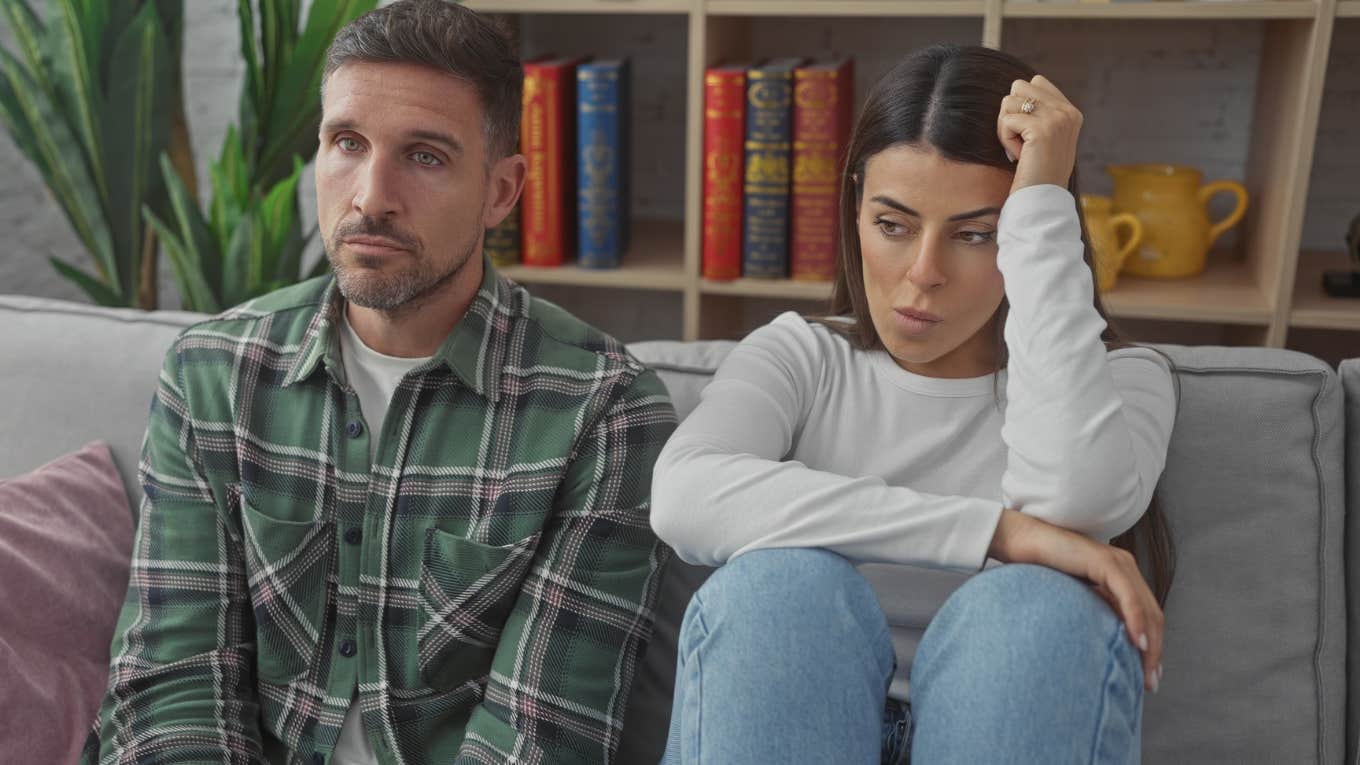
We've all been less than kind to our partner at one point or another. But occasional digs or a bad mood are a whole lot different than an emotionally difficult partner.
According to esteemed relationship researcher Dr. John Gottman, dealing with an emotionally difficult person who isn't willing to change doesn't bode well for the relationship. He believes incessant criticism, regular defensiveness, contempt, and stonewalling are harbingers of relationship doom.
6 habits of emotionally difficult people that show their true colors:
1. They never accept blame
 RDNE Stock project | Pexels
If someone finds themselves struggling time and time again with different partners, the harsh truth is the problem is likely them.
“If you are tempted to blame all your relationship woes on your partner, chances are you’re overlooking your role in the problem,” says marriage and family counselor Jessica Wade, who explained that it is vital to accept responsibility. Research from the Gottman Institute confirms this, noting how damaging it is to play the blame game in one's relationship.
2. They say things they don’t mean
 Keira Burton | Pexels
Words spoken in anger can’t really be taken back. Marriage and family counselor Lisa Bahar explains that statements such as “You’re crazy” or “What’s wrong with you?” lead to invalidating environments. In these cases, the root of the problem is often a rush to a reaction.
“Check the facts of what you are reacting to versus assuming you know what is going on,” Bahar says, adding that it helps to learn “healthy assertion skills” instead of resorting to passive-aggressiveness.
Research from the University of Georgia tells us that arguing can be helpful for a relationship, but only if it's constructive and not negative.
3. It’s their way or the highway
 Mikhail Nilov | Pexels
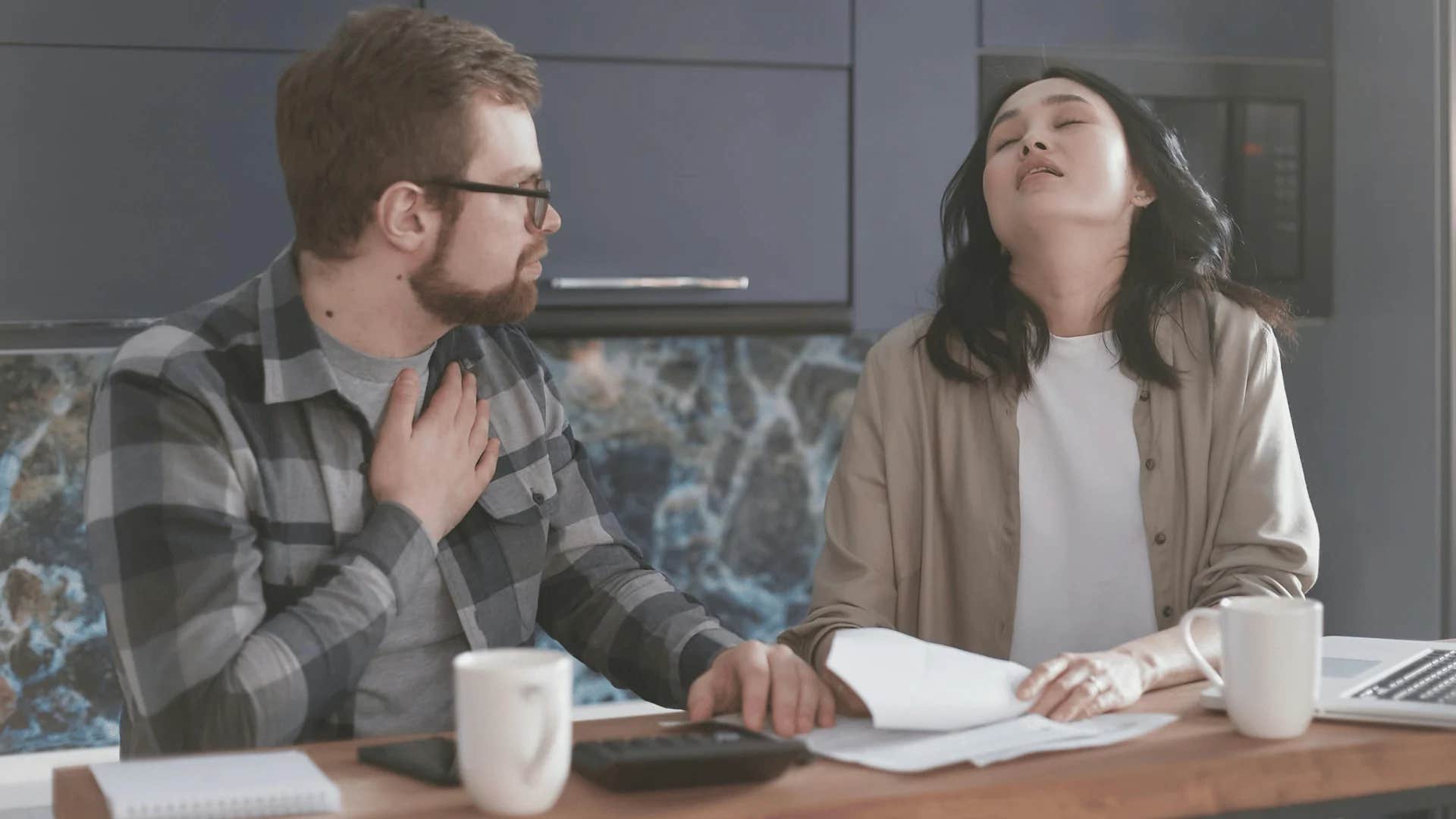
Another common behavior that can wear on a relationship is refusing to accept influence from their partner. More than simple stubbornness, Wade explains this can be harmful if their partner doesn’t think his or her opinions are valued.
Fortunately, she says that can be overcome by committing to truly hearing out their partner. Active listening can improve relationships, as confirmed by research from 2014.
4. They're unhealthily dependent on their partner
 RDNE Stock Project | Pexels
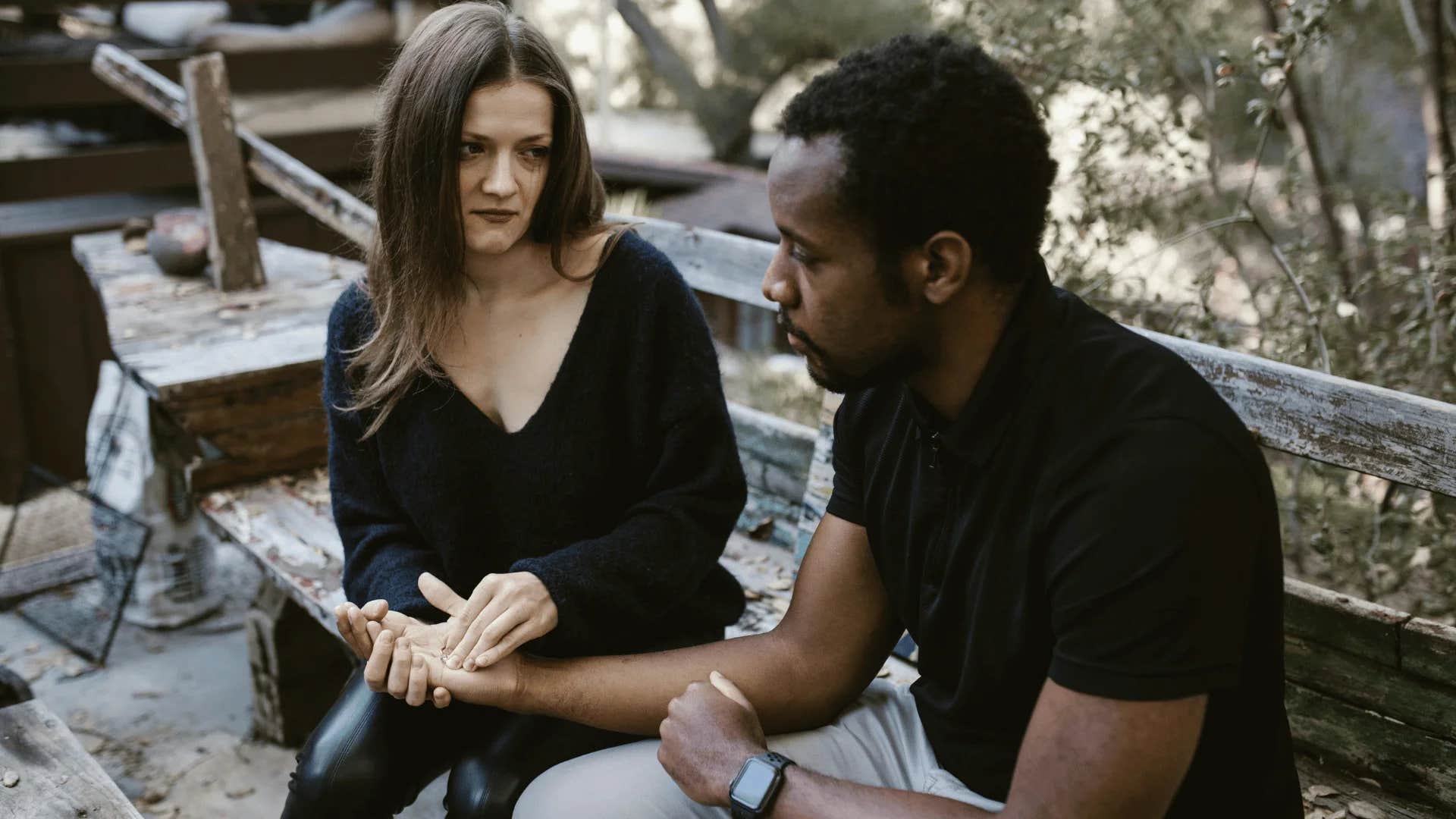
Contributing toxicity to a relationship isn’t just about how they treat their partner but also how they treat themself. Wade explains that if someone relies on the relationship to feel good, “That’s a sign something underlying should be addressed.”
This may come to a head, she says, with threats of self-harm. “If someone ever said or even thought, ‘If they leave me, I’ll kill myself,' or something similar, it’s time to take a break from the relationship and get help now.” According to 2022 research,, being co-dependent on one's partner for happiness won't end well for them and can make your partner resent them.
5. They deliberately punish their partner
 Alex Green | Pexels
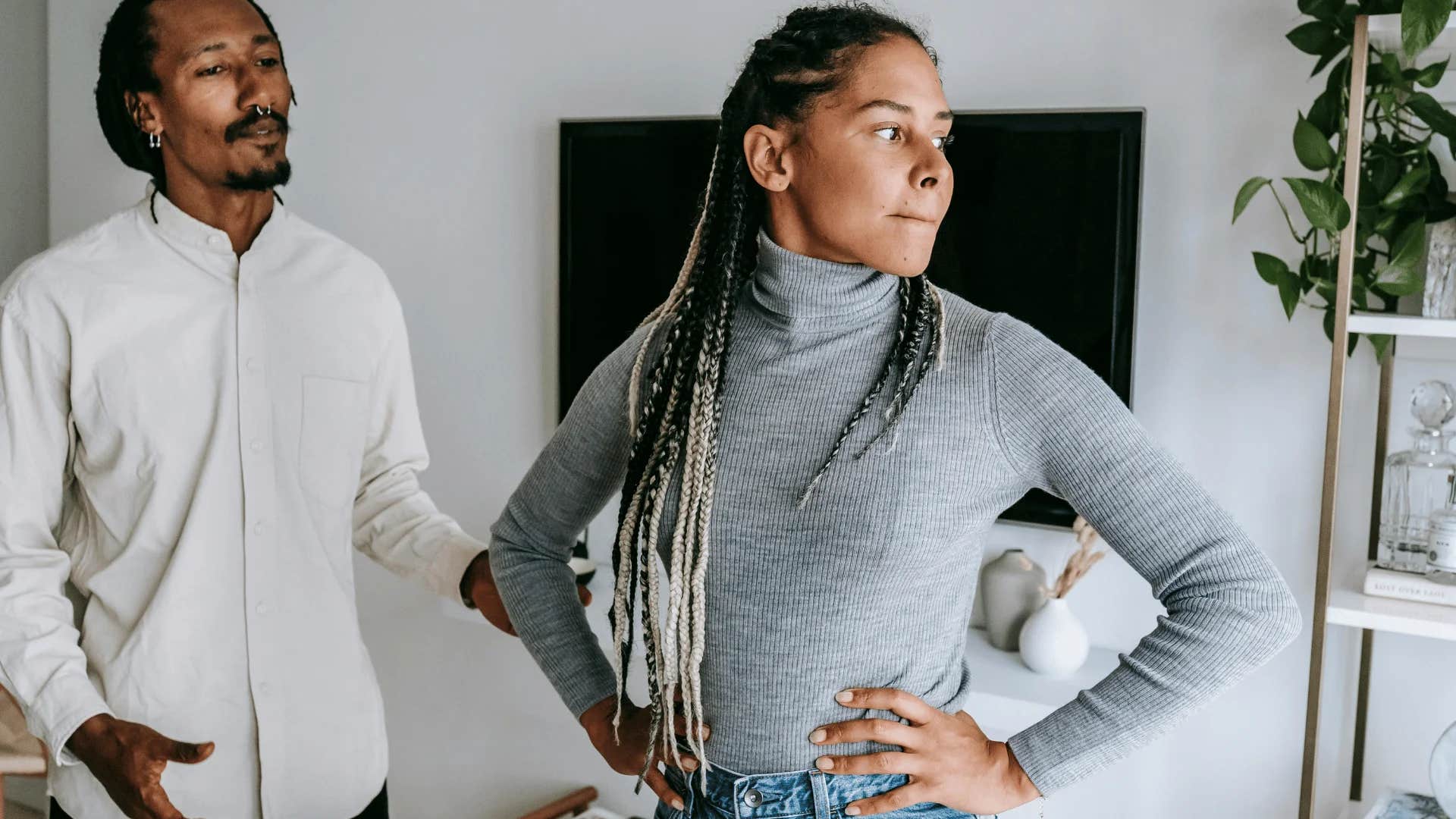
As innocuous as it may seem, Wade cautions that giving the silent treatment or withholding intimacy over small transgressions are signs of manipulation. Sure, they might feel like they’re just trying to send a message, but there is a better way to express their frustrations. Research from Cleveland Clinic shows that silent treatment can be harmful because it affects the same areas of the brain that process physical pain.
Take, for example, the milk one's partner can’t seem to remember from the store: Rather than pouting, Wade suggests calmly explaining to their spouse that they are delaying dinner and will require them to make a return trip to the store. She notes, “Scolding, yelling, and punishing are rarely effective with children, so skip it in a relationship, too.”
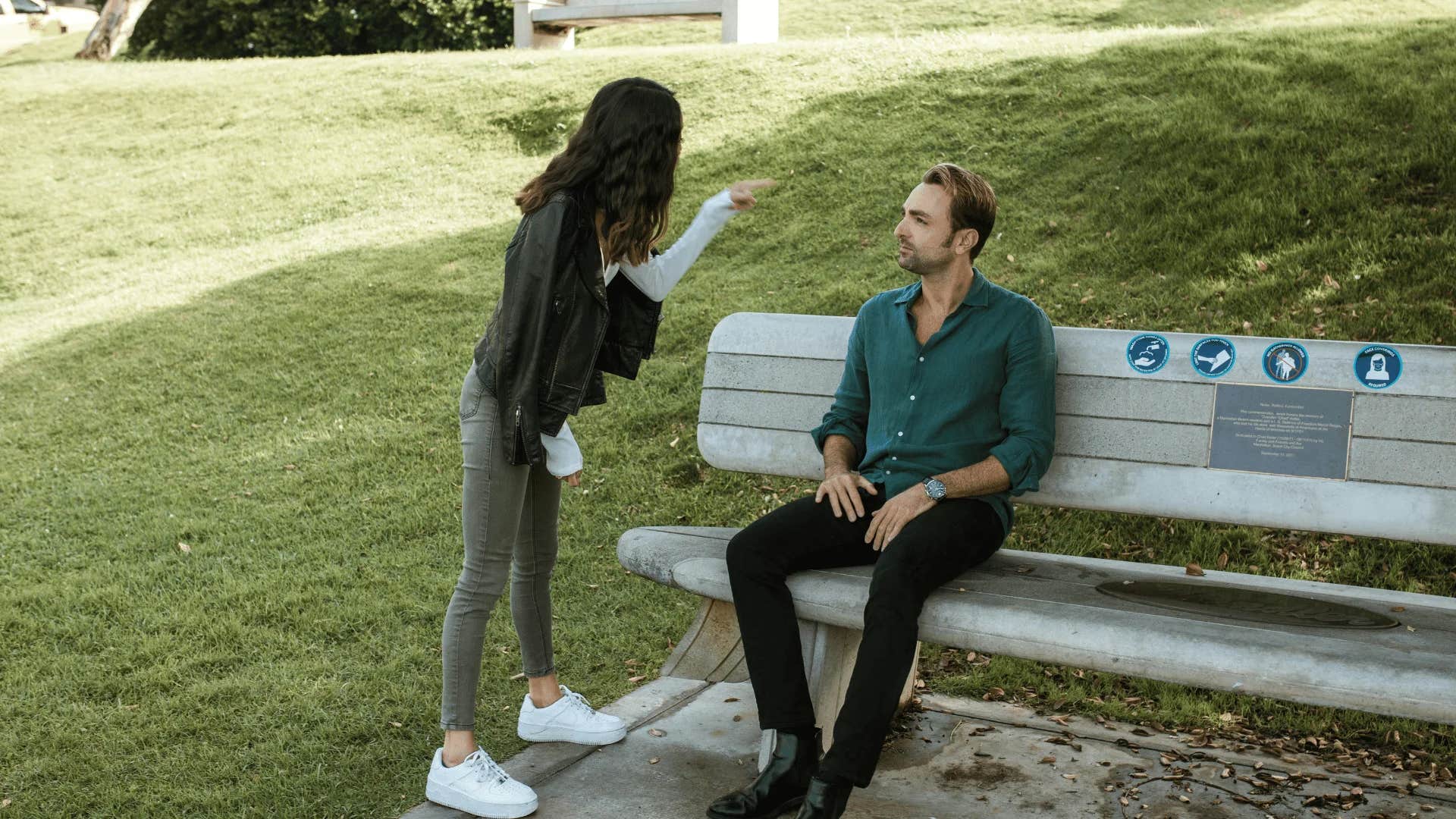
6. They 'playfully' slap their partners
 RDNE Stock project | Pexels
In a 2010 study, the Centers for Disease Control and Prevention defined physical violence as “slapping, pushing or shoving.” Under those parameters, more than five million men reported being victimized by their partner in the previous year.
With such a thin line between the kind of slapping that doesn't leave a mark and something much more dangerous, that is simply unacceptable. What’s more, Baher explains that “harmless slapping” is symptomatic of an inability to appropriately express their feelings, which means it is likely best to step back from the relationship and seek help from a professional counselor.
With these behaviors, the key is first accepting there is a problem. That will give the relationship a better chance at success, and them a better set of coping skills going forward.
“What I’ve seen is that most people don’t always realize their behavior is harmful,” she says. “Once they understand the impact it has on the relationship, they can and usually do desire to make a change.”
If you or someone you know is the victim of abuse, there is support available 24/7 through the National Domestic Violence Hotline by calling 1-800-799-7233. If you’re unable to speak safely, text LOVEIS to 1-866-331-9474.
Emily Glover writes about body positivity, motherhood, and marriage in Colorado. Her words can be found on Babble, Ravishly, Bustle, Romper, and more.

