
People Raised In The 70s & 80s Built Character In 8 Ways That Modern Parenting Has Completely Eliminated
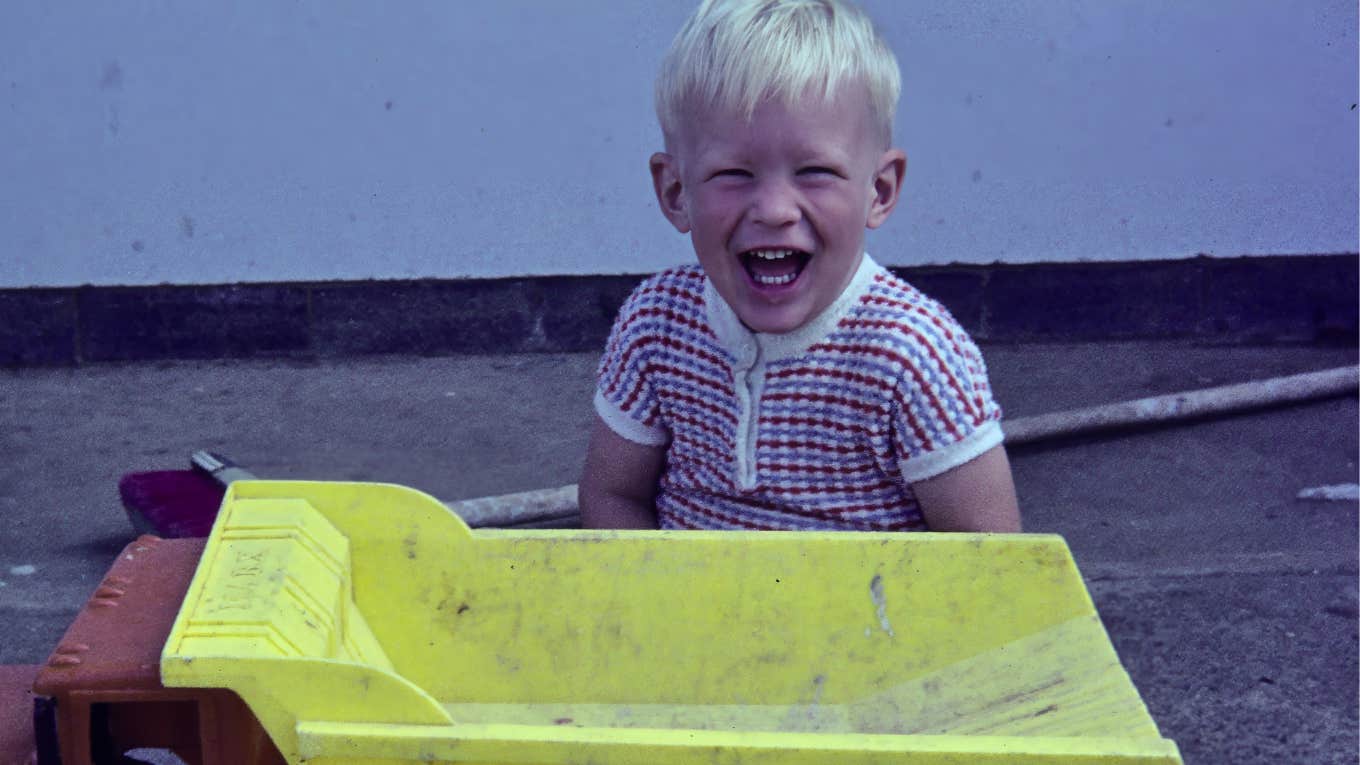 BJP7images | Shutterstock
Overprotective and permissive parenting styles have taken the place of the rearing Gen Xers and older millennials experienced. The resilience and independence that '70s and '80s kids were raised with, which built character, have all but been eliminated in the way kids are raised today.
Gen Xers (and some xennials as well) were coined the latchkey generation for a reason. They were given responsibility at a young age and were expected to embrace that independence with maturity. They grew into adults with grit and determination, comfortable in the knowledge that they could tackle any challenge on their own. However, modern parenting has completely eliminated these opportunities for independence and resilience, and kids are struggling with self-confidence as a result.
How kids in the '70s and '80s built character that modern parenting has completely eliminated in favor of overprotection:
1. They played outside without adult supervision
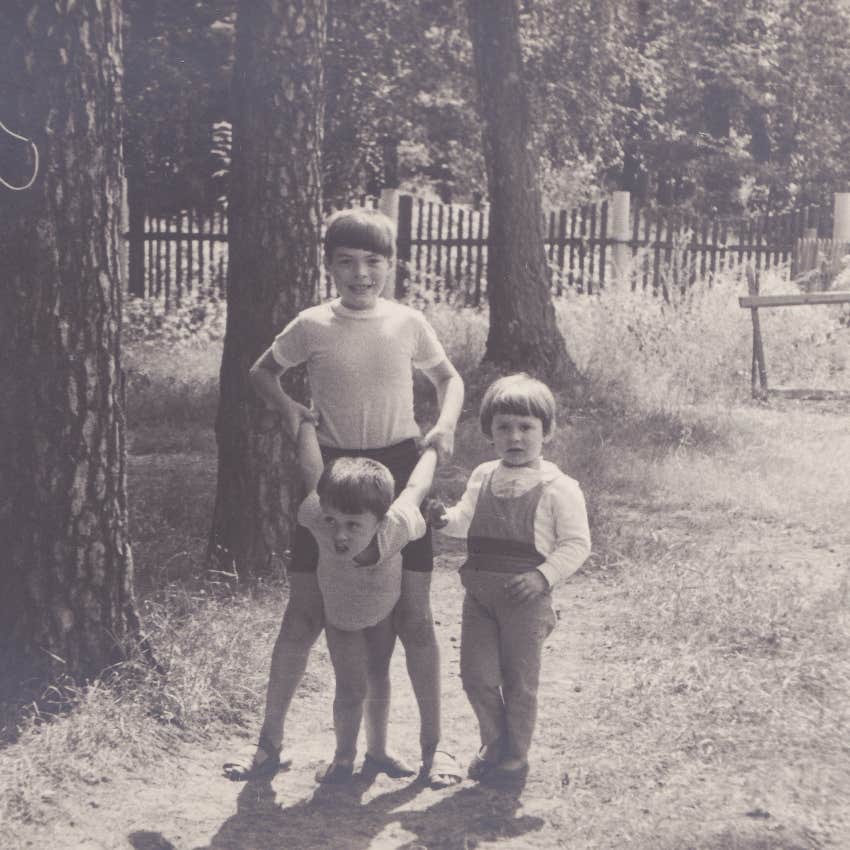 fotoak | Shutterstock
Unstructured, unsupervised play is wildly beneficial for kids’ development, yet it’s been replaced by monitored playdates and scheduled activities like sports.
Modern parents lead with fear, worrying that not keeping an eye on their children will put them in danger. However, in reality, they’re only stifling their growth. Self-esteem and confidence are learned through self-reliance and independence. A child who never has to figure things out on their own never trusts that they can.
2. They were given the freedom to explore
While children and teenagers today are constantly tracked by their phones and usually kept in constant contact with their parents, '70s and '80s kids roamed free. There was an understanding to be home for dinner, or as many Gen Xers nostalgically remember, to be home when the streetlights came on.
Yes, there were and are all sorts of safety concerns with this kind of parenting, but it also taught kids a lot about themselves. Whether they were forced to practice social skills or to spend the day alone without distractions, they grew into themselves. They learned to solve problems, get lost, and find their way back home without needing a parent to save the day.
3. They read a lot of books and were exposed to more adult themes in movies
Without the beast of parental restrictions and controls today, kids in this generation watched and read pretty much anything they got their hands on. Whether it was a TV show or a book at the library, there was little to no censorship.
There were certainly plenty of kids scarred by movies they shouldn’t have been watching or books meant for adults, but for the most part, they matured. They learned to understand and think about the world without actually experiencing it firsthand. Compared to sheltered kids today thrown into adulthood without any concept of real life, they were hardened and prepared.
4. They got themselves ready for school
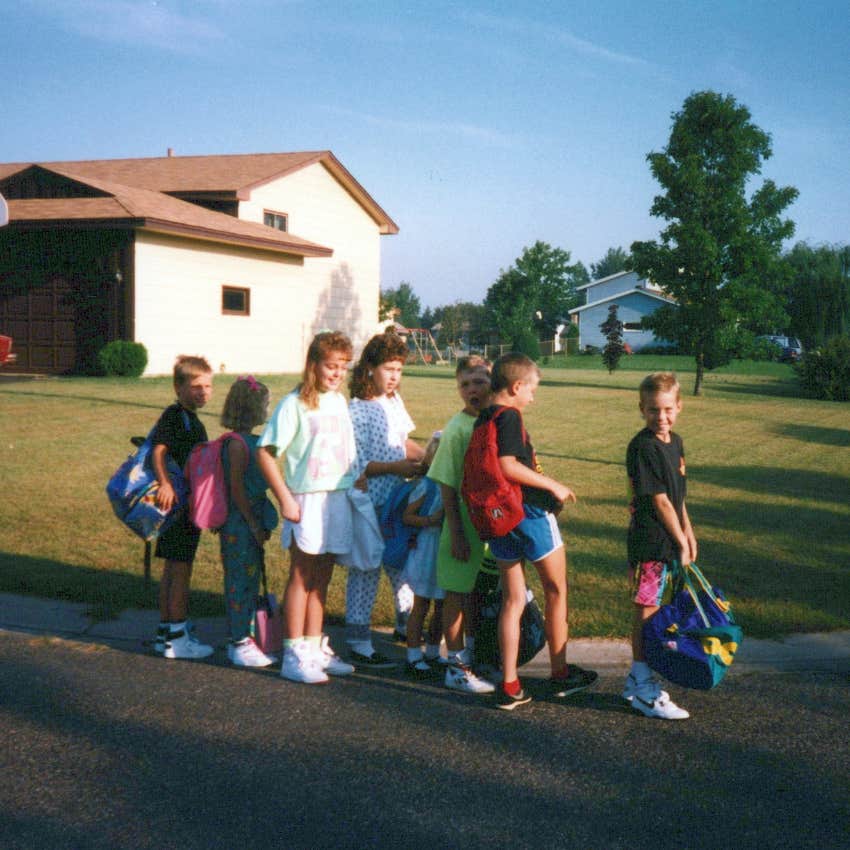 melissamn | Shutterstock
Many kids in the '70s and '80s didn’t have a wake-up call from their parents. They had to get up and get ready on their own. Their lunch was nonexistent unless they packed it or brought cash to buy. They even walked and got to school on their own while their parents headed off to work. Same when it came to heading home. You either walked or took the bus. Pick-up lines did not exist.
Letting kids take the lead with these routines teaches them to be more responsible, secure people. They don’t learn how to take care of themselves truly until they can do it on their own.
5. They existed in public alone without authorities being notified
Whether it was running errands for their parents or being dropped off alone at a community pool in the summer, '70s and '80s kids were comfortable being out in the world on their own. And the general public was comfortable with them, too. That means they didn't call the cops if a child was unattended because most adults realized if they needed help, they would ask.
It was literally sink or swim back in the day. They had no choice but to learn to assess risk and solve their own problems. Especially in this era, when everyone seemed to know everyone and parents were more trusting, kids developed a sense of confidence that carried into adulthood.
6. They were expected to help out with their younger siblings
In addition to being responsible for themselves, many kids in the era were also expected to care for and watch over their younger siblings. When you're part of a family, you contribute to running the household, and babysitting was part of that.
Even in their teenage years, when parents today would never consider leaving them at home, Gen X kids cared for their siblings as somewhat of a third parent. They learned how to manage their time and responsibilities, all while looking after themselves.
7. Their chores weren't optional and often went unpaid
Kids today would benefit from doing chores or from learning to clean up after themselves, but '70s and '80s kids built an entirely different sense of resilience from being thrown into them without help.
These weren't optional activities for an allowance either. They were part of a kid's job just like going to school. They figured out how to work the lawn mower and do laundry by making mistakes. They weren’t supervised or guided every step of the way.In the long run, these chores taught them how to manage their time and be resourceful without relying on anyone.
8. They were loved but not coddled
 MAYA LAB | Shutterstock.com
Gen Xers were largely the uncoddled generation in every sense of the word. Whether it was managing their own mistakes or advocating for themselves at school, they were expected to follow through. Their parents loved them, but they weren’t protecting their feelings or trying to safeguard them from life's realities.
Compared to gentle parents today who put their kids’ comfort above all else, '70s and '80s parents taught their kids that life isn't always fair, but you can get through it.
Zayda Slabbekoorn is a senior editorial strategist with a bachelor’s degree in social relations & policy and gender studies who focuses on psychology, relationships, self-help, and human interest stories.

