
Parents Who Raise Kids Who Love Coming Home Usually Do 7 Things Pretty Differently
 PeopleImages | Shutterstock
When a parent finds out that their grown child doesn't want to visit them or intentionally dodges their calls, it can feel heartbreaking. They may assume they're too busy, but the truth is that it all relates back to their parenting.
Parents who raise kids that love coming home to visit did many things differently when their children were young. They parented with love and understanding, creating a safe space filled with laughter and joy.
When parents raise kids who love coming home, it's because they do these things differently
1. Supporting their interests
 Chay_Tee | Shutterstock
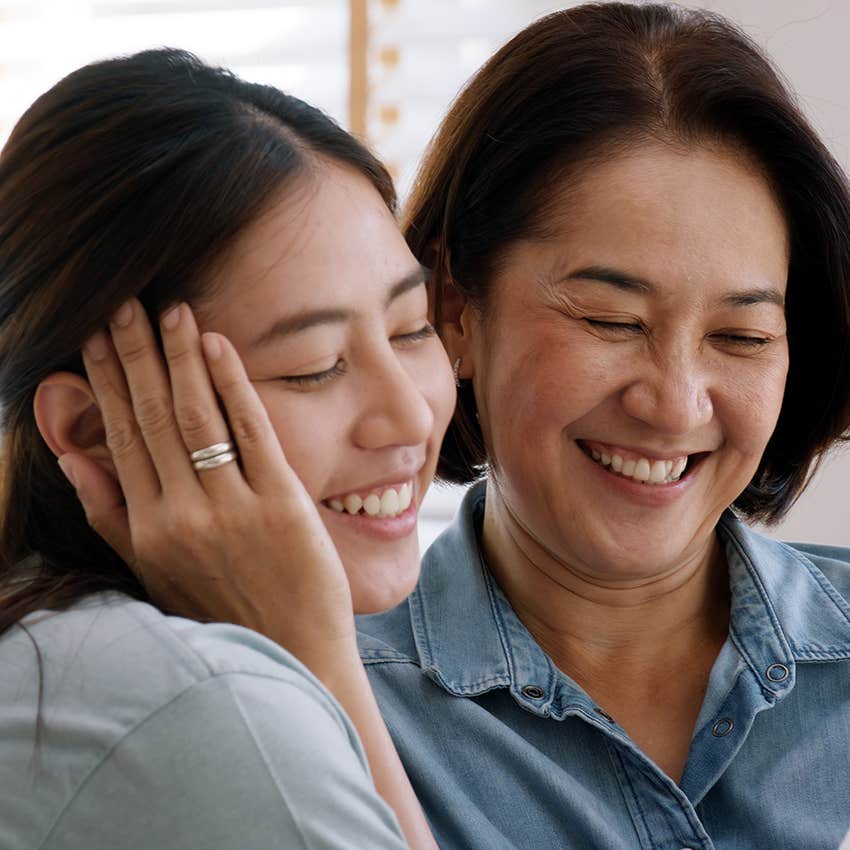
When parents have adult children who look forward to visiting, it's because they feel safe around them. They grew up in a home where their interests and hobbies were supported and never judged.
If their child was interested in playing soccer, they would show up to their games. If they wanted to list off random facts about their favorite superhero, they listened intently. They asked questions and matched their own child's excitement.
By standing behind their kid's interests, even if it's not what they enjoy, parents taught their kids that their uniqueness is special. These parents made their children feel accepted for who they are, and never tried to change them into someone they expected them to be.
2. Never forcing them to hug relatives
Many people grew up dreading going to family events because that meant they'd be forced to hug relatives against their will. Some parents didn't respect their child's boundaries, but for those who raised kids who can't wait to visit as adults, it's because they never made them do uncomfortable things like this.
Rather than telling their children to hug or kiss other people, they listened to their feelings and were more than okay with standing by their boundaries. If they didn't want to hug Uncle Bill or Great Aunt Susan, they didn't have to.
As educator Nadine Thornhill explained, "Sometimes, people may feel a little disappointed when we say 'no' to them, but they'll be okay. It isn't your child's job to make themselves uncomfortable so other people won't be."
3. Encouraging self-expression
One of the worst feelings a child can experience is their parents shooting down everything they like. Whether it was being signed up for extracurriculars they hated or being forced to wear clothes that didn't fit their style, this lack of encouragement lowered their confidence.
Parents who do this are trying to fit their kids into a box that isn't them. But good parents pick up on the things their children like and allow them to explore it, regardless of how weird it may seem.
Between a bug themed birthday party and niche collections, they allow it all because they just want to see their child be happy and comfortable. If it means buying toys that are a little strange for a child or listening to them talk about their hobbies, they're happy to do so.
4. Trusting their children to make good decisions
People who grew up with strict parents don't often come back to their family home to visit. Because their parents constantly judged them and micromanaged their every decision, the second they got a taste of freedom, they got far away from that situation.
Parents that hold harsh rules in their house are more likely to have children that disobey them behind their backs. It does the reverse effect of what they intended, and their children will want to do things that push against their parents' rules.
But when parents allow their children to make mistakes and then learn from them, they stay close long after their kids leave the nest. They don't have to be practicing gentle parenting, it could just mean making lessons out of mistakes.
5. Accepting them for who they are
 Madison Swart | Shutterstock
Any good parent should be accepting of who their child turns out to be, even if it's new to them. A lot of parents push their child away by being rigid in their beliefs and creating a tense and uncomfortable home. They'd rather break up their family or be estranged from their child than realize they need to adapt.
Coming from an accepting household can improve mental health and boost confidence. Kids feel more sure of their identity and explore paths that better suit them, as opposed to living the life their parents want. This creates happiness for them as adults, something that's a struggle for people who were raised in strict, unaccepting households.
6. Not judging when they have strong feelings
Parents who don't have open conversations with their children about their feelings teach them to bottle up their emotions. As children, they may be told to stop acting like brats or to stop being sensitive when they cry. They don't make room for those emotions or teach them how to regulate them.
But good parents ask their children what's wrong and give them open and honest feedback. Instead of punishing them for being upset or mistaking it for throwing a tantrum, they provide support and love. They don't respond to their children's emotions with anger, but acceptance and understanding.
Some parents put a lot of pressure on children, which robs them of their childhood and forces them to mature quickly. It's important to remember that they're still kids and they're learning, too.
7. Allowing them to speak their mind
Parents that create a supportive home raise kids who want to come over once they become adults. Their support includes letting their children speak freely about their opinions, even if they don't agree with them.
When you're a kid, you often share the same beliefs as your parent, since it's all you know. But as you get older, you form your own opinions and thoughts based on your unique experiences. You learn new things from other influences, which can change your perspective.
But rather than getting upset, good parents accept what their child has to say and don't shut them down. If their child finds a disciplinary action to be unfair, they'll hear them out instead of responding with something like "I'm the adult, not you."
Gabrielle Mattes is a writer working towards a Creative Writing degree. Her work focuses on lifestyle, wellness, human interest, and relationship topics.

