
Parents Who Make Their Kids Feel Weird About Money Without Realizing It Often Say 7 Things In Casual Conversation
 Dmytro Zinkevych | Shutterstock
Parents often underestimate the lasting impact that their words have on their children. Innocent comments they make in passing stick with their kids for years. When discussing money, some seemingly harmless remarks lead to long-lasting financial shame.
You may think your children are too young to be affected, yet a University of Michigan study found that children as young as five develop emotional reactions to money, which can influence their financial behaviors as they grow. Avoid these phrases to help your kids build a healthy relationship with money.
Parents who make their kids feel weird about money without realizing often say these things casually:
1. 'Do you have any idea how hard I had to work to buy that?'
 fizkes | Shutterstock
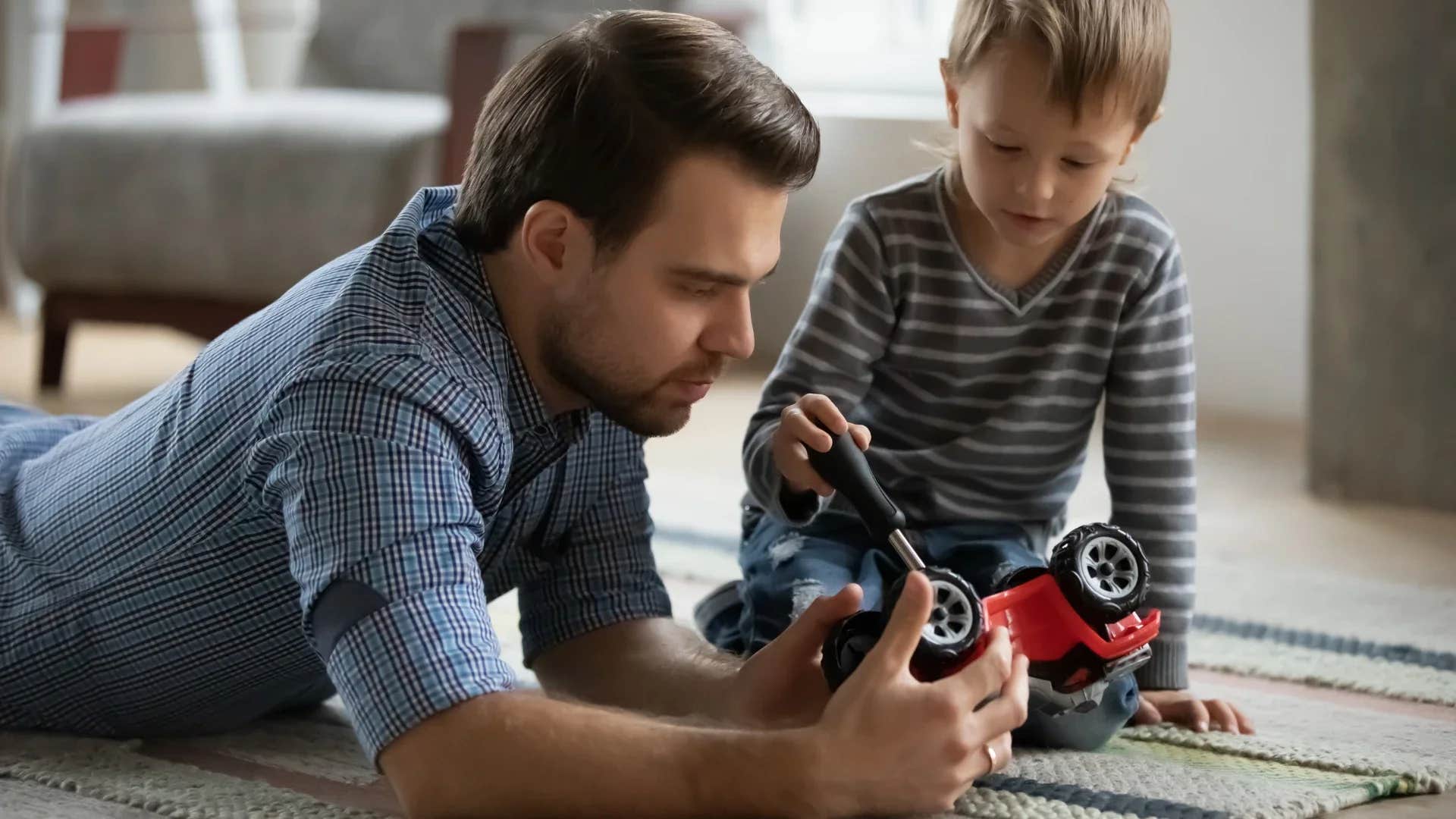
Toys break; it's an inevitable part of childhood. When this happens, experts recommend responding with empathy and understanding. Use the situation to teach your kids responsibility and how to care for their belongings. While it can be frustrating to see the toys you spent hard-earned money on get damaged, asking, "Do you have any idea how hard I had to work to buy that?" financially shames them. When things inevitably break and need to be replaced, they may see it as a personal failure, rather than an inevitable part of life.
2. 'Don’t ask for more. Be grateful for what you have.'
 fizkes | Shutterstock
Parents often tell their kids, “Don’t ask for more. Be grateful for what you have.” While this advice likely comes from a desire to prevent greed, it can have unintended consequences and shame kids financially. It may make them believe that wanting things or having big dreams is wrong. Over time, they may confuse gratitude with guilt for wanting more. Psychotherapist Amy Morin says teaching gratitude should start simply, like modeling “thank you” and asking questions that help kids reflect on what they’re grateful for. For example, "What are you thankful for today?" or "How can you show appreciation for this gift?" While teaching gratitude takes patience, it benefits both kids and adults in the long run.
3. 'That's a waste of money'
 SpeedKingz | Shutterstock
What a parent sees as a waste of money may mean a lot to a child. For example, a child might treasure something as simple as a chocolate bar. If a parent criticizes or shames what the child considers valuable, it can make the kid feel bad or invalidated, especially if they don’t understand why it’s wrong. In reality, it’s normal for a child to value something like candy, and a parent's harsh reaction can be confusing.
Of course, this doesn't mean you have to buy the chocolate bar, but psychologist Anna Kaminsky argued that criticism and shame have no place in parenting. She explained that criticizing or shaming a child creates unnecessary pain, and when parents judge their kids, children learn to judge themselves. Instead, Kaminsky suggested parents listen to their child's needs. If buying the chocolate isn’t an option, whether for financial reasons or because you're concerned about the candy being unhealthy, try explaining your point of view calmly and without criticism.
4. 'You're spoiled'
 Nicoleta Ionescu | Shutterstock
Constantly reminding a child that they're financially spoiled may make them feel weird and hurt their self-esteem. Instead of labeling the child "spoiled" for something outside their control, focus on fostering gratitude for what they have. Give them chores, teach them about money management, and highlight the importance of giving to help avoid enabling a "spoiled" mentality.
5. 'I work so you can have lessons, sports, etc.'
 SpeedKingz | Shutterstock
When parents provide what their kids want, like dance lessons, guitar classes, or sports, they often remind them of the sacrifices made to afford these activities. However, bringing this up too often can make children feel guilty or like their parents' love is conditional. Experts at Psychology Today noted that, while guilt-tripping may create a "short-term win," it is damaging in the long-term. Telling your child that you work hard so that they can have XY and Z financially shames them and hurts your relationship with them in the process.
6. 'I bought it for you, so it belongs to me'
 Dmytro Zinkevych | Shutterstock
Another harmful phrase that makes kids feel weird about money is "I bought this, so it belongs to me." This can be especially damaging during an argument or when a parent uses it to assert control. While it’s not wrong for parents to remind kids about major purchases, like, say, a car or phone, the key is the intention behind it. Ask yourself, "What valuable lesson am I trying to teach my child?" Continuously reminding a kid of who bought an item and who owns it can undermine their sense of autonomy and make them feel powerless.
7. 'We can’t afford it. We’re not those people.'
 Prostock-studio | Shutterstock
The phrase "We can’t afford it. We’re not those people" is harmful and financially shames children. It bluntly reminds kids that their family isn’t as wealthy as others, which can create inferiority or anxiety about money. Writer Nia Tipton noted that telling your kids that you can't afford something may actually make them more likely to deal with poverty in adulthood, as it creates a mindset of lack. Instead, she recommended that parents find a different way to say it without making children feel less than. Focus on what you can afford and teach them to save money.
Mina Rose Morales is a writer and photojournalist with a degree in journalism. She covers a wide range of topics, including psychology, self-help, relationships, and the human experience.

