
Kids Raised By Boomer Parents Learned 11 Life Skills That Are Rarely Taught Today
 M_Agency | Shutterstock
Plenty of today’s research centers around the tension many boomer parents have with their adult kids amid changing social norms and the younger generation’s lifestyles. But there are plenty of life skills that boomers imparted on their kids from a young age that sparked essential resilience and work ethics.
Of course, they spent a lot of time alone and were often expected to fulfill very different obligations than most kids today. Still, kids raised by boomer parents learned certain life skills that are rarely taught today. From understanding how to fix basic household issues to filling their boredom, these are the skills that set them up for success in adulthood.
Kids raised by boomer parents learned 11 life skills that are rarely taught today
1. Sitting with discomfort and boredom
 Tatiana Buzmakova | Shutterstock
Even if they were prone to complaining as kids about having “nothing to do,” the truth is that accepting and managing their own boredom gave them all kinds of superpowers. From boosting their creativity and even helping to cultivate emotional regulation skills, it’s kids expected to lean into the discomfort of boredom that often end up being more grounded, intentional adults.
Especially without the “instant fix” and convenience of cell phones, they had to get creative with how they spent their time, even if it meant unsupervised play outside.
2. Fixing things before replacing them
 Zamrznuti tonovi | Shutterstock
Instead of relying on convenience and expecting instant replacements for things, kids raised by boomer parents learned to fix things and accept the responsibility of respecting material things. Whether it was a random appliance at home or a toy they used too roughly, there was a respect for possessions that many kids today lack in the face of rising entitlement.
Without YouTube and the internet to solve issues for them, they leaned into fixing things by practicing important critical thinking and problem-solving skills. They learned practical skills that kids today don’t have, and they’re better off for it.
3. Manners and social etiquette
 Da Antipina | Shutterstock
While many kids today are losing the basic manners in society, like saying “please” and “thank you,” that were once second nature, adult children with boomer parents have them ingrained into all their routines and behaviors. Their parents made sure that the traditional values and social etiquette they followed throughout life were imparted to their kids from a very young age.
Especially considering they were often out in the world, running errands and walking to places alone, they were expected to lead with integrity and hold up a positive vision of their parents, even when they weren’t around.
4. Following through on obligations
 Pixel-Shot | Shutterstock
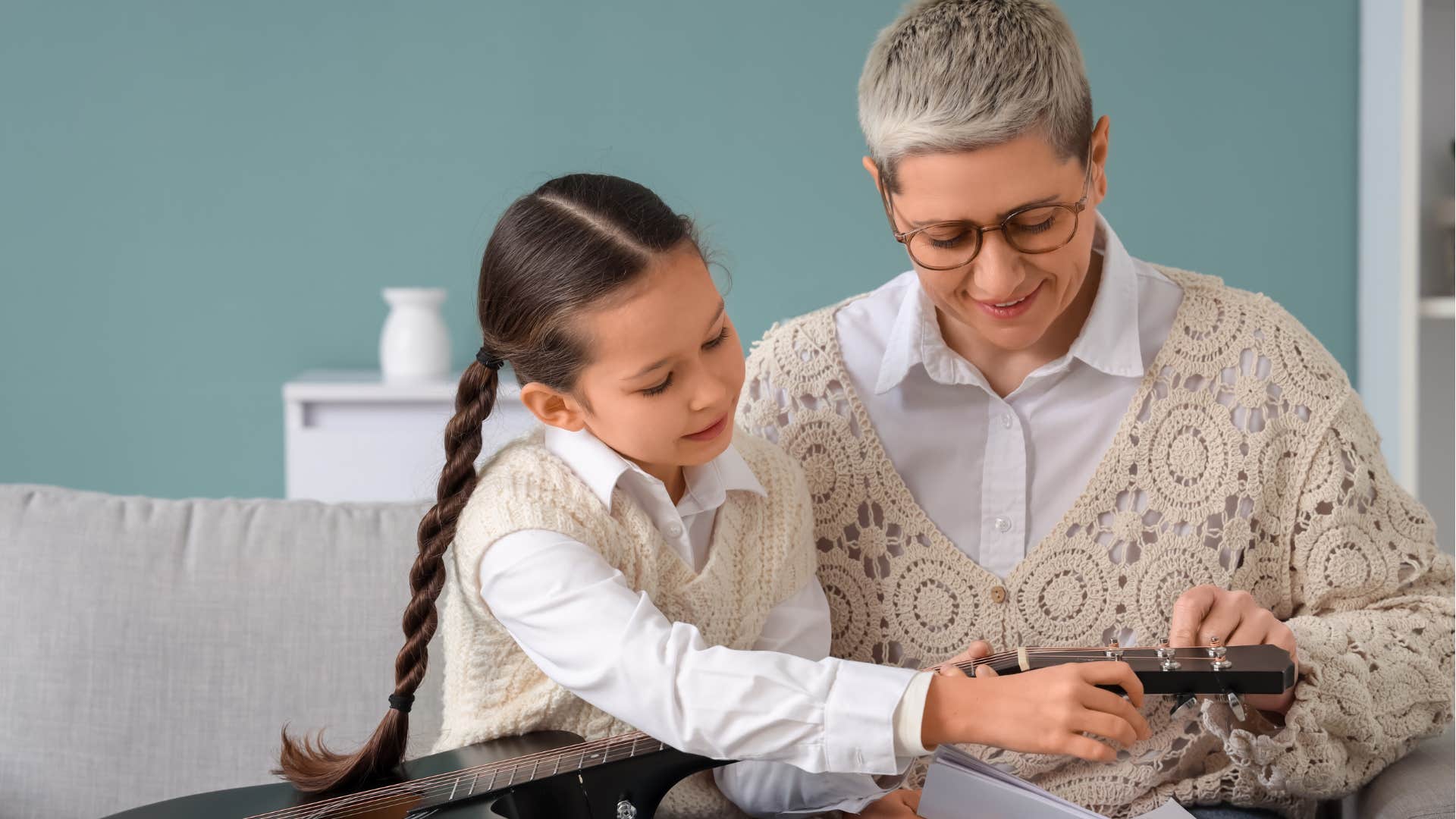
Whether it was chores or keeping their word and showing up for family gatherings, kids raised by older generations know how to follow through, even when it’s not comfortable.
"Kids who succeed learn a work ethic as they grow up. We all want our kids to share in household chores, make their beds, carry their plates to the sink, pick up towels off the floor, and have organized backpacks. It gives us fewer tasks, but more importantly, we are teaching the value of shared collaborative work,” psychoanalyst Laurie Hollman explains.
Instead of constantly mending their parenting structure to accommodate kids’ comfort, they let them learn how to be good workers and resilient people by letting them deal with discomfort on their own, even if that meant managing responsibilities kids today don’t usually have.
5. Being punctual
 Operation Shooting | Shutterstock
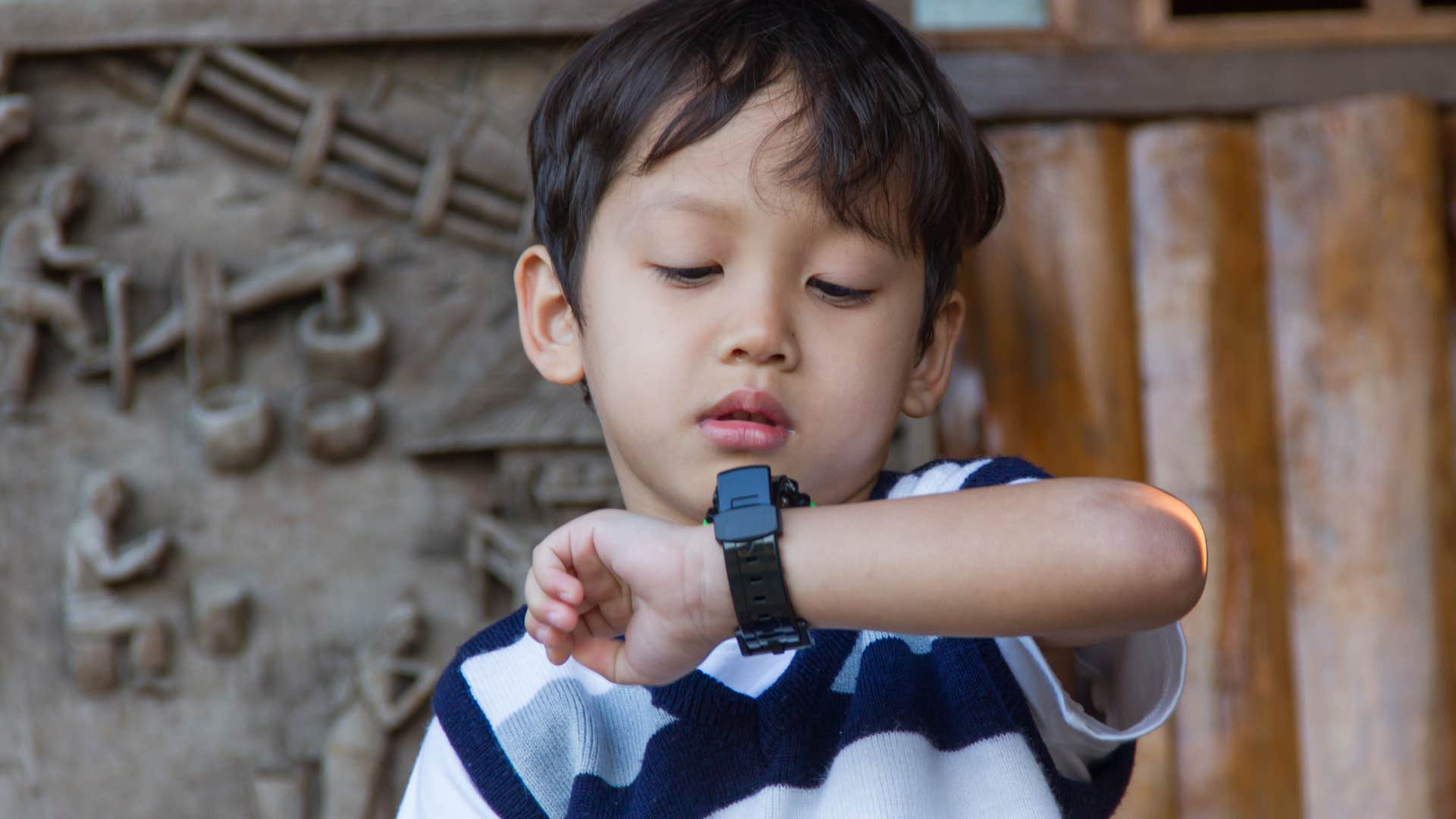
While kids who grow up in overly busy, chaotic households often struggle with time management and punctuality, those raised by boomer parents often had a simpler, more intentional environment for learning to be consistent. They weren’t necessarily held to the same ambitious expectations of modern kids today, and instead accepted the free time their childhood offered with intention and resilience.
They had to learn to figure out their own schedule and routine without constant parental guidance, and that usually meant prioritizing things like punctuality and time management to avoid discipline. While it might have been annoying and frustrating for their younger selves, their adult lives thrive because of these foundational skills.
6. Coping with not having instant gratification
 PeopleImages | Shutterstock
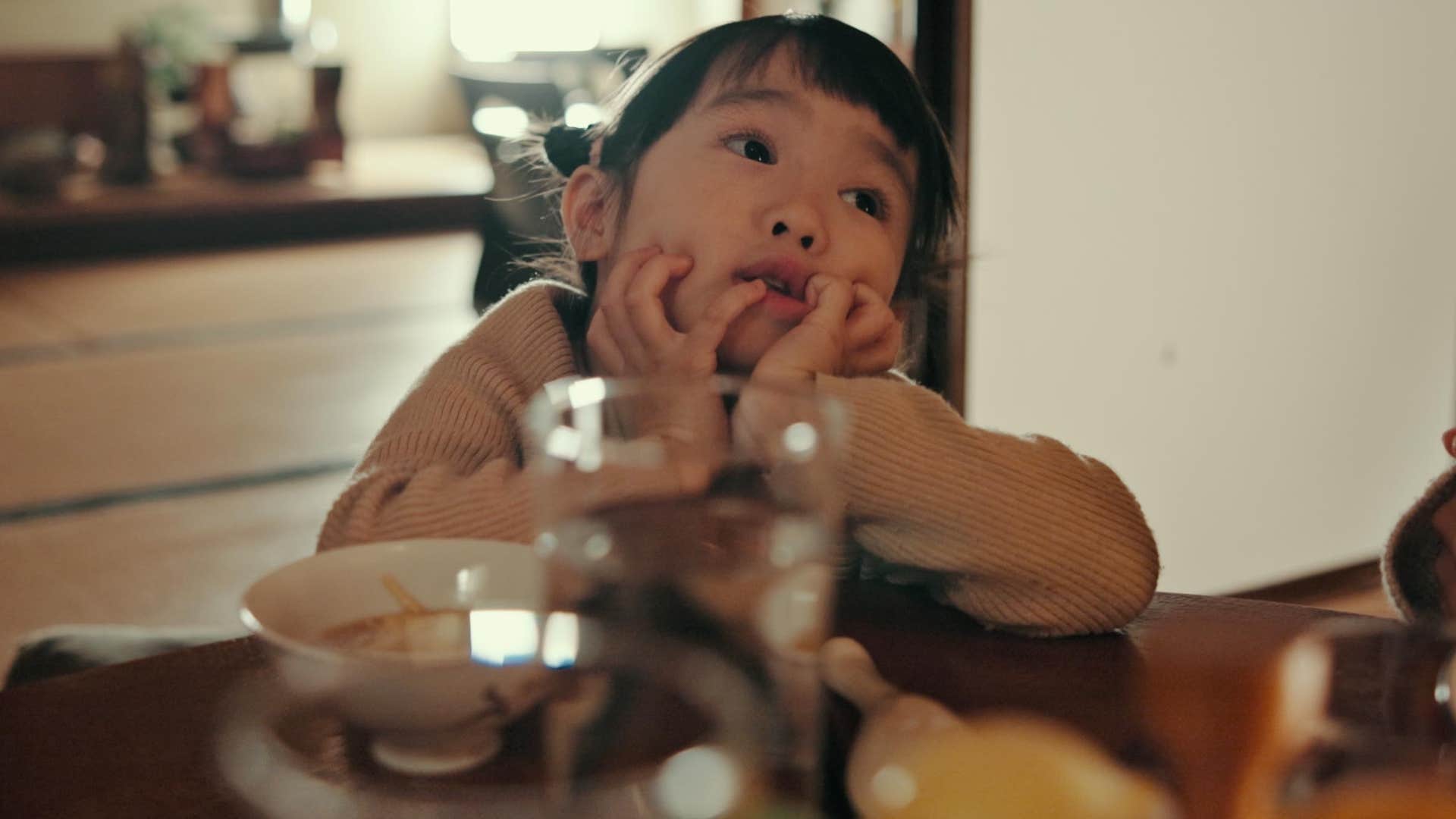
Whether it was waiting for something they wanted to purchase and saving up money or simply sitting with boredom without the convenience of a screen to distract them, kids raised by boomer parents learned to get comfortable with delayed gratification quickly.
Outside of the modern convenience culture kids today learn to expect, accepting discomfort was inevitable, and a superpower all in the same. From adult patience to emotional regulation skills, these are the adults who lean into challenges and boredom for the sake of resilience, rather than avoiding them with constant distractions and misguided coping mechanisms.
7. Helping care for younger siblings
 Mahsun YILDIZ | Shutterstock
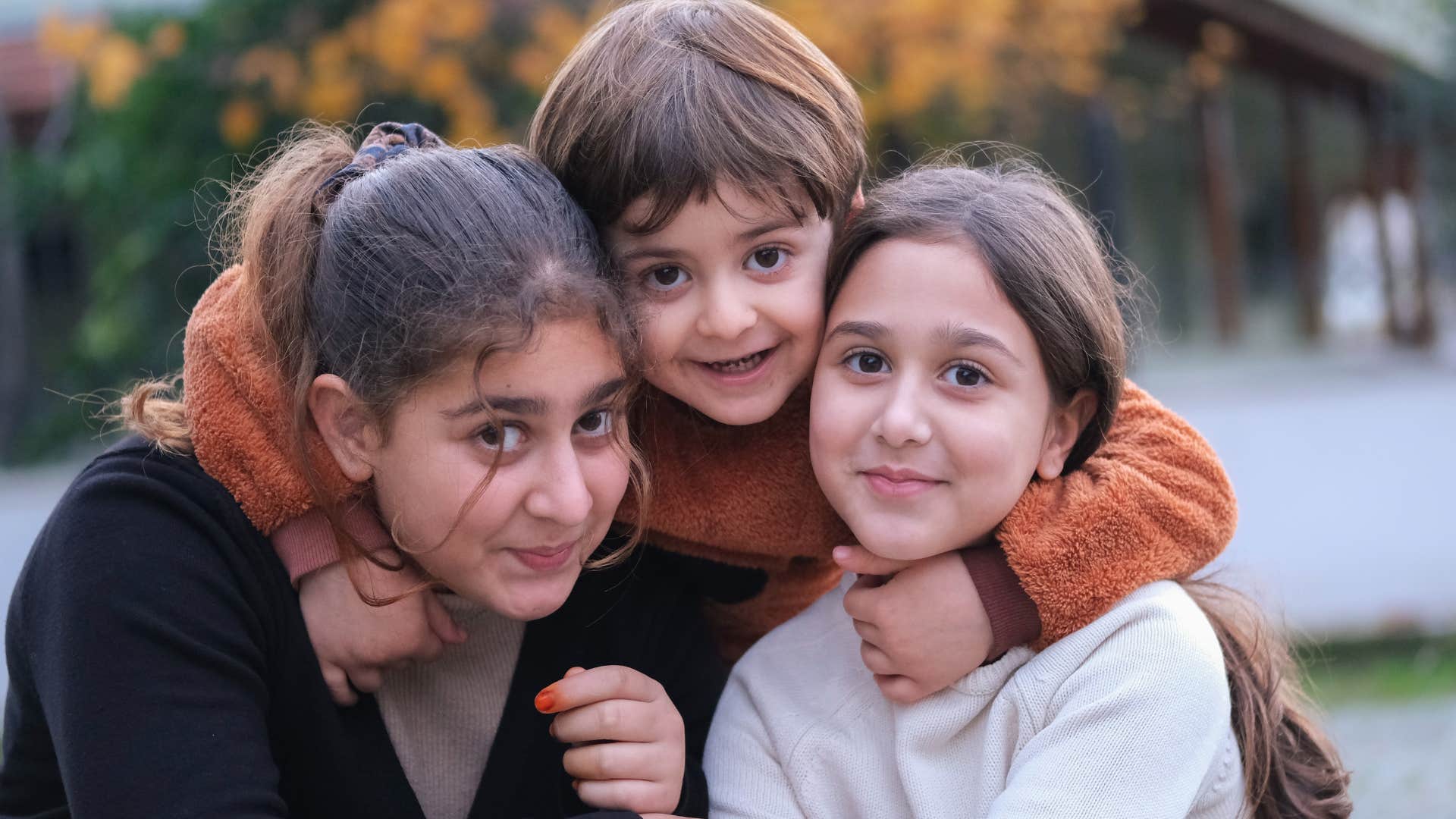
Part of the responsibilities for Gen Xers and millennials growing up was to play a strong role in the household. Especially for eldest children, that meant keeping up with chores and watching siblings while their parents worked or were out of the house.
Without constant babysitters or childcare around to solve issues for them, when a problem arose they were responsible for figuring it out. Before phones and connection to their parents all the time, it was on their shoulders to mediate complex feelings and solve problems, all to boost their resilience and work ethic later in life.
8. Accepting feedback and correction
 fizkes | Shutterstock
In any environment, whether it’s at home or in the office, accepting feedback is rarely comfortable for anyone. It takes a certain level of internal maturity, emotional regulation skills, and discipline to not only take feedback from others but also to follow it and make a change.
However, without the fundamental entitlement that many kids today are developing around modern parenting styles, Gen Xers and millennials raised by boomer parents learned to accept constructive criticism. Even if it came at the hands of discipline and correction from parents and teachers that we don’t celebrate today, they learned to make change and own up to mistakes without immediately resorting to defensiveness.
9. Keeping certain things private
 Dragon Images | Shutterstock
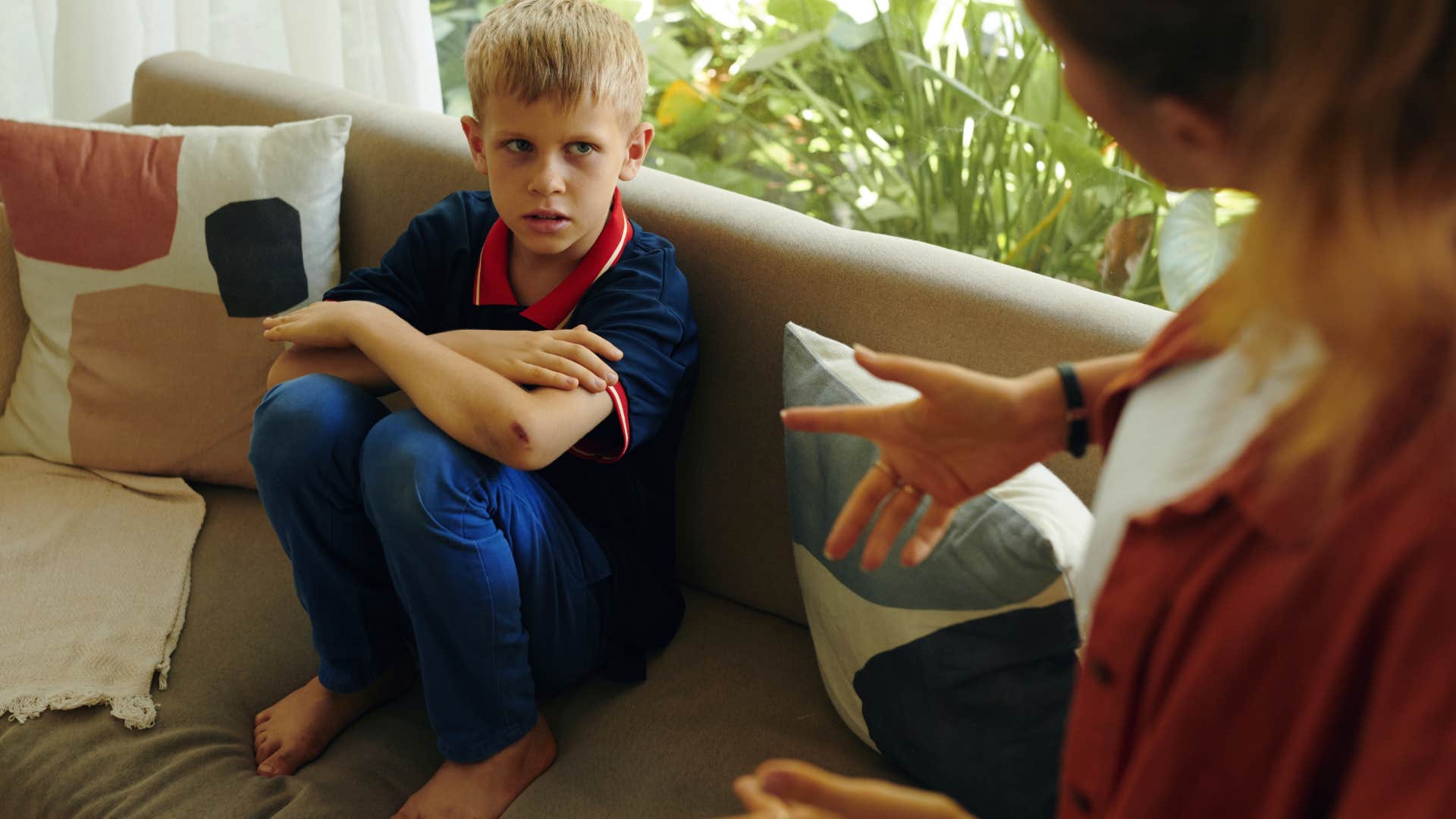
While modern norms are making adults more open about once-taboo topics like mental health and money, there’s a level of privacy in their personal lives that does serve their best interests.
From keeping goals to themselves to avoid sabotaging progress and keeping certain parts of their routines just for themselves, an appreciation for internal validation is what these adult kids get to reap from their intentional privacy.
10. Not blaming others for their mistakes
 MAYA LAB | Shutterstock
With traditional disciplinary styles in the home and a sense of personal independence from old-school parenting styles, kids raised by boomer parents learned to take accountability. They didn’t selfishly blame others or avoid mistakes for the sake of self-image, but instead leaned into the discomfort that allowed them to grow and cultivate resilience.
Especially watching their boomer parents’ work ethic, these kids learned that life wasn’t always easy. There would be mistakes and challenges they’d encounter, and blaming others only kept them from persevering and growing into the adult identities they boast today.
11. Prioritizing family time
 Geber86 | Shutterstock
While many of the kids raised by boomers spent a lot of time alone managing their boredom, watching siblings, and cultivating independence, the family values of their parents were still largely present. Whether it was an expectation to consistently show up for family gatherings or regular family dinners at home, as adults, this generation learned to prioritize their quality time at home.
As norms around traditional family styles and values continue to shift, it’s these generations of kids with boomer parents who still make time to connect, spend time with, and prioritize their family above everything else.
Zayda Slabbekoorn is a senior editorial strategist with a bachelor’s degree in social relations & policy and gender studies who focuses on psychology, relationships, self-help, and human interest stories.

