
Kids Raised In The 70s & 80s Had 7 Freedoms Most Kids Today Will Never Experience
 melissamn | Shutterstock
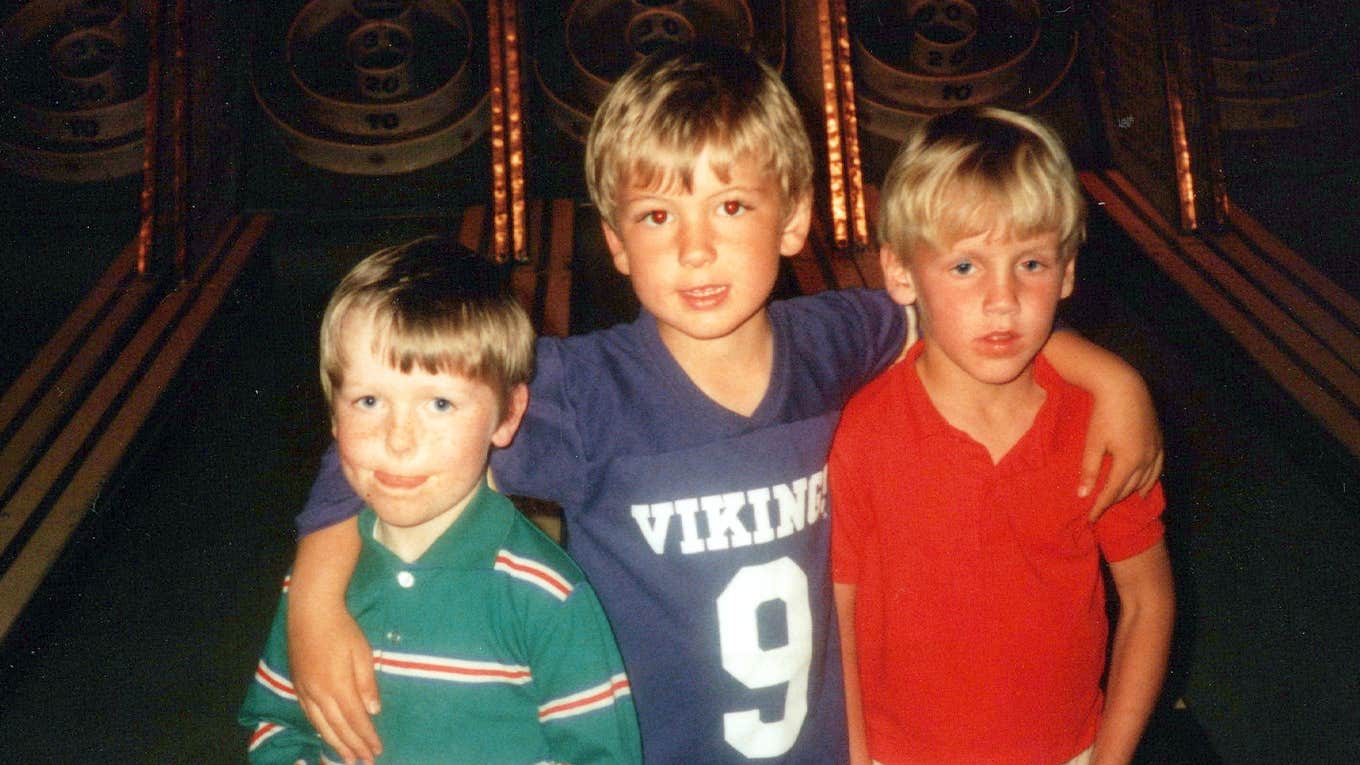
Children's lives today couldn't look more different from those of their parents.
Whether it's the influence of phones, social media, new parenting styles, or expectations for modern kids, childhood experiences have changed drastically from those their parents lived through. Kids who grew up in the 70s and 80s were often trusted to entertain themselves, solve their own problems, and spend hours away from adult supervision. Those experiences weren't always perfect, but they gave kids independence and control over their time in ways many modern children rarely get to experience.
Freedoms of the 70s & 80s that most kids today will never experience:
1. They played outside unsupervised
 melissamn | Shutterstock
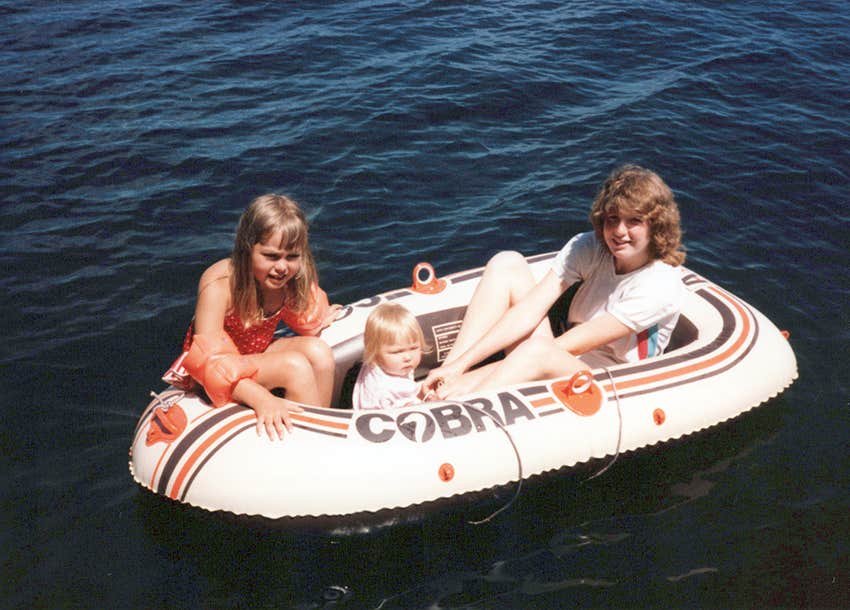
Even if filling their time and making new friends wasn't always easy, older generations of kids had the freedom to play outside without constant supervision. They learned how to be independent and roam free, without having a parent over their shoulder all the time telling them what to do and what not to do.
This is a freedom that's important to childhood development, and yet, it's quickly becoming something that most young kids today will never be able to do. There's far less of the old "be back when the streetlights come on" freedom, partly because kids spend more time glued to their phones and are expected to stay closer to home.
2. They walked to and from school on their own
It's one of the great joys of childhood to get small glimpses of freedom, and for modern kids today, they're few and far between. Many aren't even allowed to walk to school, even when it's just a few blocks away. However, in addition to walking to and from school in the 70s and 80s, kids were running errands and gallivanting all around town with their parents.
There's obviously been a shift in parenting styles, and in the modern world, it's not surprising. Many parents are afraid to let their kids out of sight, and some worry they'll be judged for not knowing where their children are at all times.
3. They made mistakes without parents stepping in
Many parents today are quick to step in and solve their kids' problems for them. They want their children to have an easier life with more present parents, partly because their own independent childhoods sometimes came with struggle and loneliness.
However, they're also taking away their kids' chances to solve problems on their own and grow from mistakes. Making mistakes wasn't always comfortable, but it taught many kids from those generations how to handle discomfort, solve problems, and recover when things went wrong.
4. They were bored and had to figure out how to entertain themselves
For kids today, there are all kinds of distractions from boredom, none of which are often all that great. Kids today have countless ways to escape boredom, though many of them involve staring at a screen.f Whether it's doomscrolling on their phones or watching TV, the options are endless if they're feeling bored. However, embracing being bored is a freedom that adults and kids alike underestimate.
The more comfortable you are being bored, the more space you have to really understand and get to know yourself. At such an impressionable time, kids need to be bored to learn how to feel their feelings and to understand who they are as people. Kids in the 70s and 80s often had no choice but to sit with boredom, which gave them more opportunities to discover their interests and entertain themselves
5. They enjoyed life without having every moment recorded or tracked
 melissamn | Shutterstock
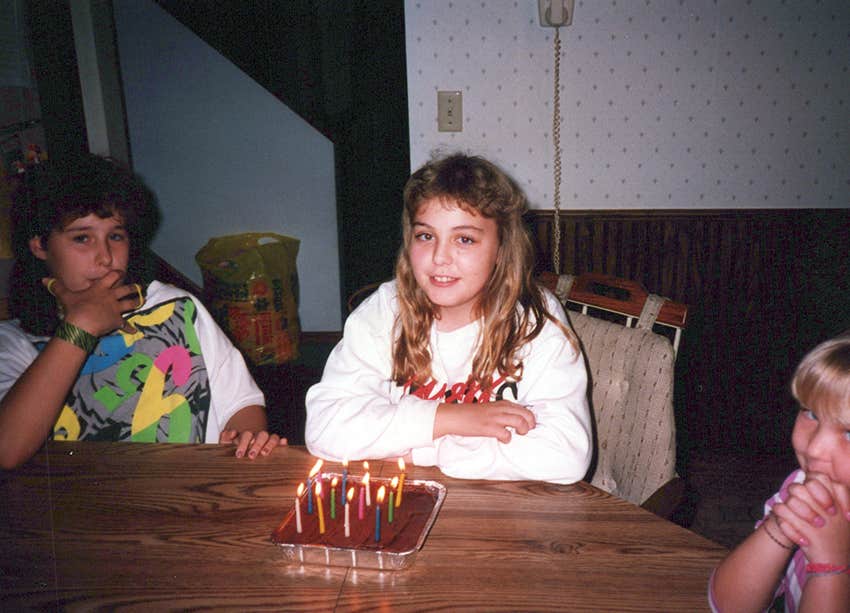
While kids today can feel pressure to photograph and share special moments, kids in the 70s and 80s usually experienced them without thinking about how they would look online. They didn't have cell phones to capture every memory, so they held onto special moments through conversations, printed photos, and the stories they told later.
They had the freedom to live without the pressure to document everything or to take the coolest photos. Concerts, hanging out with friends, enjoying their favorite outfits, and going on vacation were things they got to enjoy fully, instead of being caught in the web of comparison culture online.
6. They had more control over how they spent their free time
Of course, parenting styles have changed how much of a child's time is fully their own. The pressure to prepare for college and fill every open hour can leave modern kids overworked, with little time to relax or decide for themselves what they want to do.
Modern kids may juggle packed extracurricular schedules while their phones create constant pressure to keep up, respond, and stay connected. Kids in the 70s and 80s could just be kids, without having to deal with complicated feelings of being behind or feeling ashamed for not being productive.
7. They showed up to friends' houses without planning it first
 melissamn | Shutterstock
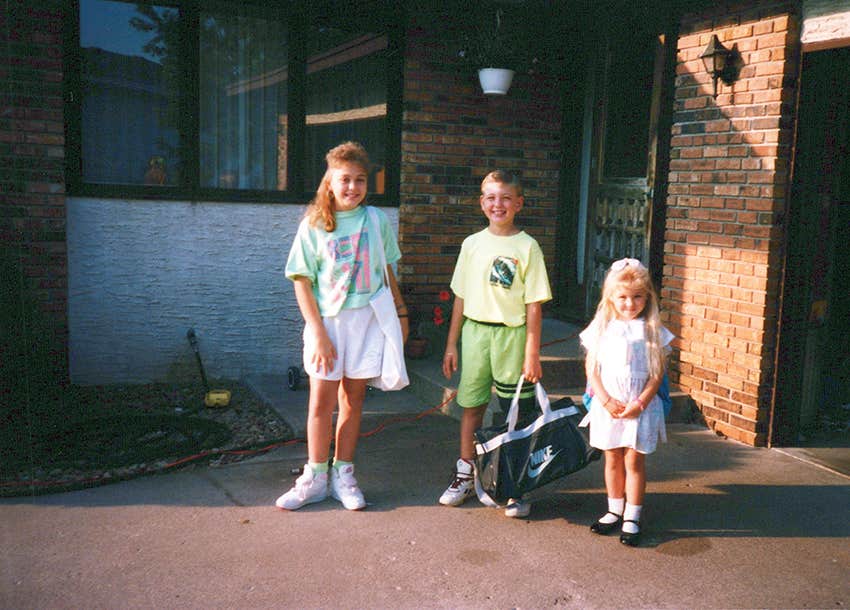
When parents schedule nearly all of their child's time, including playdates and free time, kids lose some freedom to make their own plans. They can’t always stop by a friend's house unannounced like kids in the 70s and 80s often did because plans now tend to run through their parents first.
Yes, older generations of kids had to obey their parents, show up for dinner, and come home at a certain time, but their free time was just that: free. They decided what they were going to do. They managed their boredom on their own. They made new friends and spent time with them when they wanted to.
Zayda Slabbekoorn is a senior editorial strategist with a bachelor's degree in social relations & policy and gender studies who focuses on psychology, relationships, self-help, and human interest stories.

