
Gen Z, Millennials, Gen X & Boomers All Have Completely Different Ideas Of What Childhood Trauma Looks Like
 polya_olya / Shutterstock
Many people carry some sort of childhood trauma with them into adulthood, but whether or not you believe that is true for yourself may depend upon your age.
Each generation has its own expectations regarding how parents should treat their children, and what people may consider neglect or mistreatment now may have been pretty standard parenting just a few decades ago. What counts as childhood trauma isn't entirely objective, but the way we talk about it and make sense of it may say more about the time in which you were raised than it does about your character.
Gen Z, millennials, Gen X, and boomers all have their own different ideas of what childhood trauma looks like.
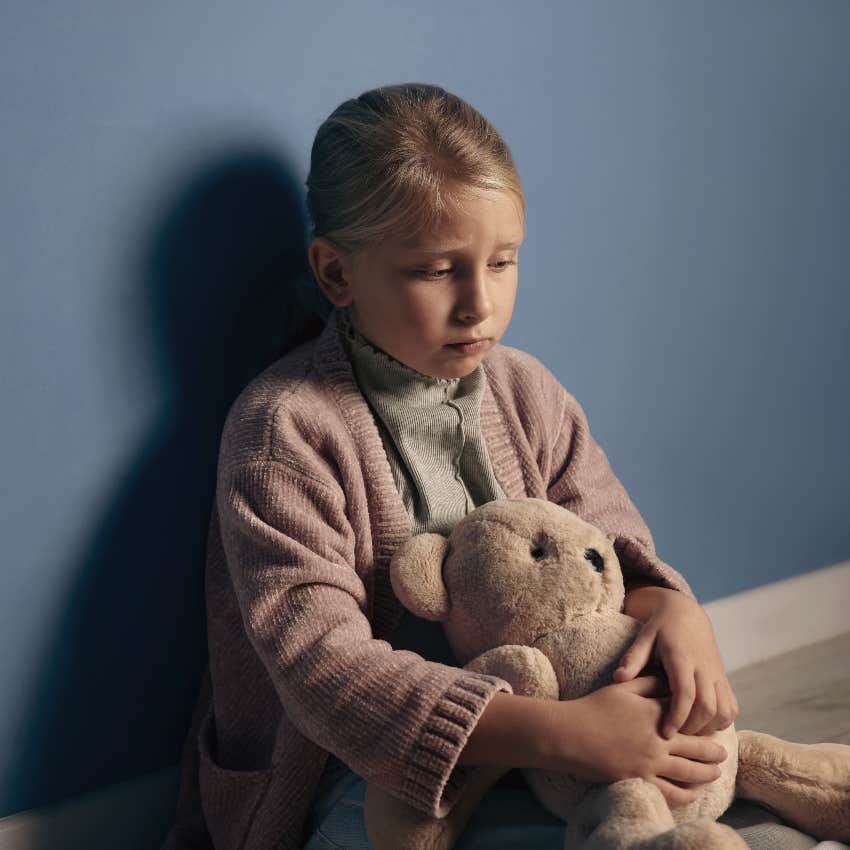
Baby boomers grew up in households where discipline and unquestioning respect for authority were expected.
Being a child meant following the rules when they were given and listening to their parents without questioning them. It was completely normal to be told to stop crying or get punished for talking back. Even when something hurt them, they were expected to move on and not dwell on it.
 New Africa | Shutterstock
Because of that, some boomers might not immediately recognize certain childhood experiences as traumatic. They might remember feeling like they had to earn approval, but simply say it's just how things were back then. Those moments still affected them, but they had to grow up without the language or encouragement to talk about emotional pain.
Gen X was left to figure out their difficult emotions on their own.
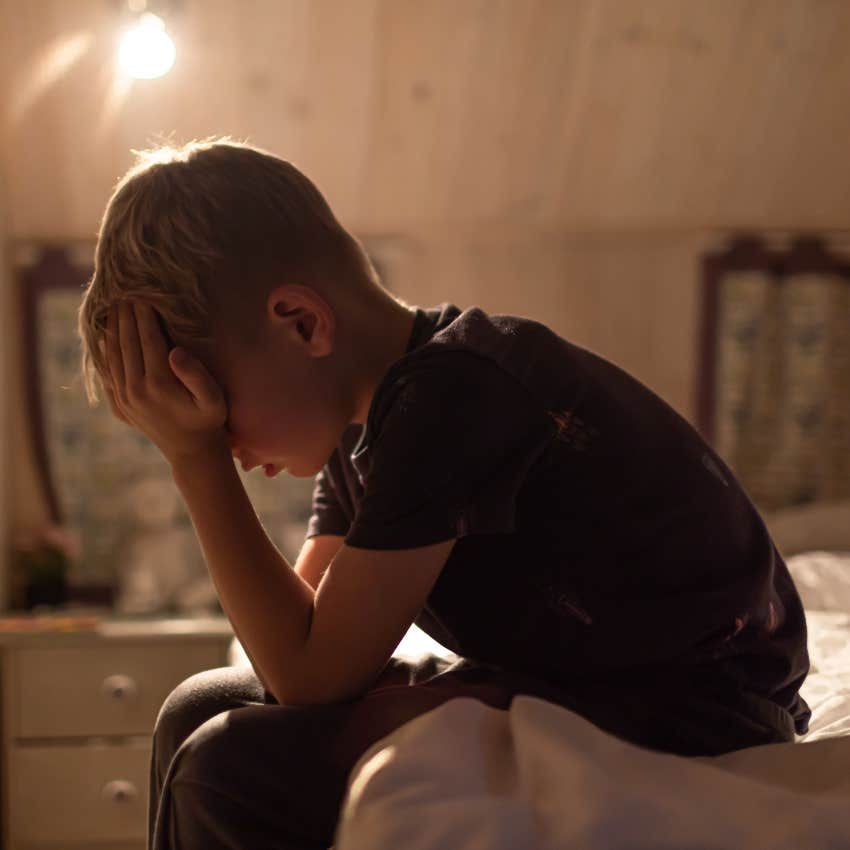
Gen Xers were raised with a strong sense of independence. Their parents were often too busy working or just expected them to figure things out on their own. It wasn't totally unusual to spend a few hours unsupervised, so many were taught to be self-sufficient, keep their emotions in check, and avoid making a fuss over nothing.
If something upsetting happened, they were told to get over it and move on.
 KieferPix | Shutterstock
Now, this generation looks back on their childhoods and remembers feeling overlooked or being expected to act like an adult early on, even if this still doesn't seem like trauma to them. Being independent was treated as a sign of strength, and that included figuring out their feelings alone. As adults, being left to fend for themselves so much of the time has left a lasting impression.
Millennials didn't always have supportive childhoods.
The millennial generation grew up with conversations about mental health becoming far more common, but that doesn't mean their childhoods were always easy. Many of them had parents who wanted them to make something of themselves, sometimes putting a lot of pressure on them to succeed. They often dealt with comparisons to siblings and felt like they had to earn praise.
 Petko Ninov from Getty Images Signature via Canva
Even in loving households, millennials might have felt the need to hide their feelings to avoid disappointing others. They may now recognize how constant criticism affected their confidence in adulthood. Their parents' good intentions might not have prevented emotional hurt, forcing them to separate what was considered normal from what made them feel safe and understood.
Gen Z is more likely to question the behaviors they once accepted as children.
For Gen Z, childhood trauma can come from years of feeling misunderstood or being made to think their emotions are a burden. When their parents constantly dismissed their concerns, it likely affected how they see themselves later in life. Some kids also really struggled to feel accepted for who they are.
 MAYA LAB | Shutterstock
In the current day, this generation is finding ways to understand experiences they previously had a hard time explaining. Certain family dynamics influenced their confidence and ability to trust others. Coming to terms with the past has helped them build healthier relationships and create a better situation for the future.
Kayla Asbach is a writer with a bachelor's degree from the University of Central Florida. She covers relationships, psychology, self-help, pop culture, and human interest topics.

