
Gen Z Parents Refuse To Say 10 Phrases To Their Own Kids Because They Already Know Better
 DS Tkachuk | Shutterstock
Gen-Z is a completely different generation. From how they act to how they think, it's no wonder Gen-Z will never use certain phrases with their own children.
Gen-Z parents will not say these phrases to their kids because they know better:
1. 'Because I said so'
 AstroStar | Shutterstock
The first phrase Gen-Z will never use with their own children is "Because I said so." Almost every kid out there has heard this phrase from their parents. At school or at home, many parents feel that saying this phrase means they're somehow in the right.
However, Gen-Z views parenting differently and, because of that, doesn't think it's efficient to say, "Because I said so," without further explanation. Some call them sensitive, but Gen-Z believes children deserve at least basic respect. This is why Gen-Z would prefer explaining things rather than leaving things open-ended. According to parent coach and psychologist Jeffrey Bernstein, Ph.D., "Listening to children helps to foster open and honest communication, which can lead to more positive relationships and a deeper understanding of their perspectives."
2. 'I'll give you something to cry about'
 fizkes | Shutterstock
Hearing this phrase probably makes 90% of the population cringe or flinch. It's a tale as old as time: parents felt the need to threaten their kids to get them to comply. However, this form of parenting rarely worked, as it basically taught children a master class in repressing their emotions.
And while old-school parents might've thought repressing those tears made us stronger, research says otherwise. According to a study published in the Journal of Personality and Social Psychology, suppressing negative emotions removes positive ones while only leaving the negative emotions intact. As one can imagine, this form of coping can have drastic consequences for someone's mental health.
3. 'You should be grateful'
 Motortion Films | Shutterstock
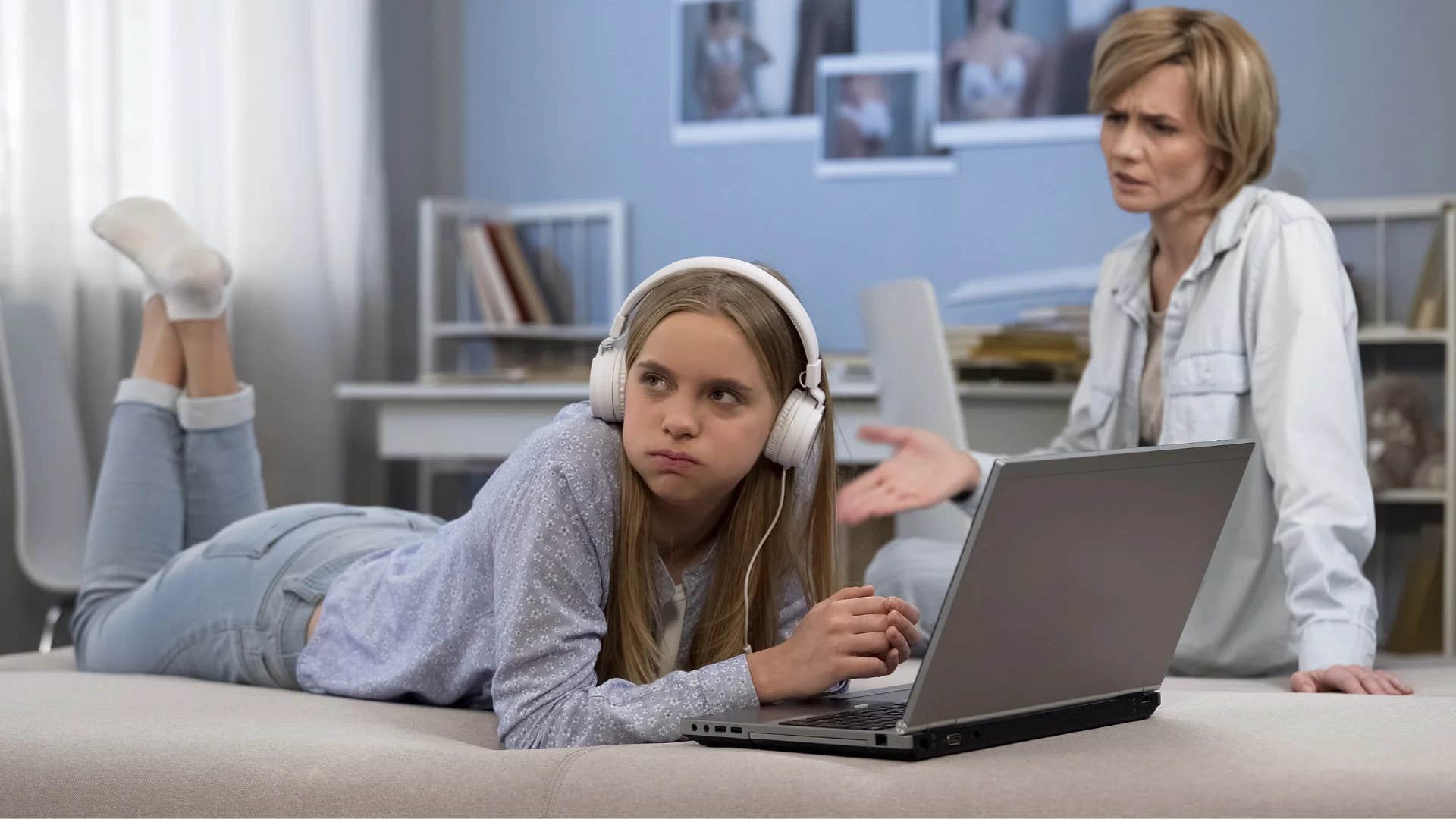
Most people have heard this phrase once or twice from their parents. "You should be grateful" is one phrase Gen-Z will never use with their own children. Not only is the phrase a bit condescending, but it can also breed resentment, as kids feel their feelings aren't important to their parents. According to a study published in 2019, children who have a dismissive attachment style are increasingly more likely to have difficulties self-regulating. So, criticize Gen-Z, but at least their approach to parenting doesn't end in their future children potentially resenting them.
4. 'You'll understand when you're older'
 BearFotos | Shutterstock
Nothing is more frustrating than hearing an adult say, "You'll understand when you're older." While adults might like to believe that kids can't possibly understand sadness or other complicated emotions, the truth is that kids are more perceptive and intelligent than we often realize.
According to psychologist Carl E. Pickhardt, Ph.D., "Children observe their parents more closely, appraise their parents more carefully, and know their parents better than parents do the child." So, as an alternative, a better phrase would be, "Let's talk about this when you're older." That way, it's not about thinking a child can't understand something; it's more about the topic being appropriate for their age group.
5. 'You're too sensitive'
 fast-stock | Shutterstock
Unfortunately, many parents belittle their kids by accusing them of overreacting. With an eye roll and a sigh, these parents will swear that the younger generations have become too soft. However, emotional vulnerability isn't a weakness; it's a sign of courage. According to lecturer and author Gregg Levoy, "Vulnerability feels like weakness when it's experienced on the inside, but looks like courage when it's viewed from the outside. When we see it in others, we're inspired." This is why a phrase Gen-Z will never use with their own children is, "You're too sensitive."
6. 'You don’t have it hard'
 Motortion Films | Shutterstock
If there's one way to make a child resent their parents, it's by using this phrase. Sure, parents might be frustrated or truly believe their child's struggle is a walk in the park, but that doesn't make the phrase any less dismissive.
Even if parents don't understand their children, it's important not to compare or belittle children just because a parent's life is hard. After all, two things can be true at the same time: while parents might have it hard, equally, their child could also be going through a difficult transition period. According to a 2020 study, empathetic parents raise empathetic children with better mental health. So, while Gen-Z might be criticized for this approach, one thing is for sure: their kids will thank them.
7. 'Stop acting out'
 Brian A Jackson | Shutterstock
Listen, kids can be embarrassing at times. When parents are at the grocery store and trying to shop, it can be embarrassing to watch their child flail on the floor and scream for the whole world to hear. And in a world that's becoming less child-friendly, most people will give parents a dirty side-eye instead of understanding their struggle.
Still, a phrase Gen-Z will never use with their own children is, "Stop acting out." As most people know, Gen-Z is becoming increasingly more self-focused than previous generations. As a result, they don't care about how others perceive them compared to the older generations. As psychology professor Jean Twenge, PhD, explained, "Younger generations are more individualistic than the Silent and Boomer generations."
While it might take longer, understanding the root cause and fixing it is far more effective than pointing out that their child's actions are embarrassing, which ultimately does nothing to stop their child from engaging in that behavior.
8. 'Don't talk back to me'
 pixselstock | Shutterstock
Every child has experienced this moment before: Maybe they didn't agree with their parents, or perhaps they had a question before blindly following what their parents asked. In the back of their head, kids don't see anything wrong with speaking up or voicing their concerns.
But almost always, parents respond by calling their questions or opinions disrespectful and out of line. This is probably why a phrase Gen-Z will never use with their own children is, "Don't talk back to me." Having an opinion doesn't automatically make a child's words disrespectful. Like anyone else, children are curious and want to know what's happening before they get ready to go out. As licensed clinical psychologist Liz Nissim, Ph.D., explained, "A good rule of thumb is to share when your child shows interest or asks you a direct question."
9. 'Finish your food'
 SynthEx | Shutterstock
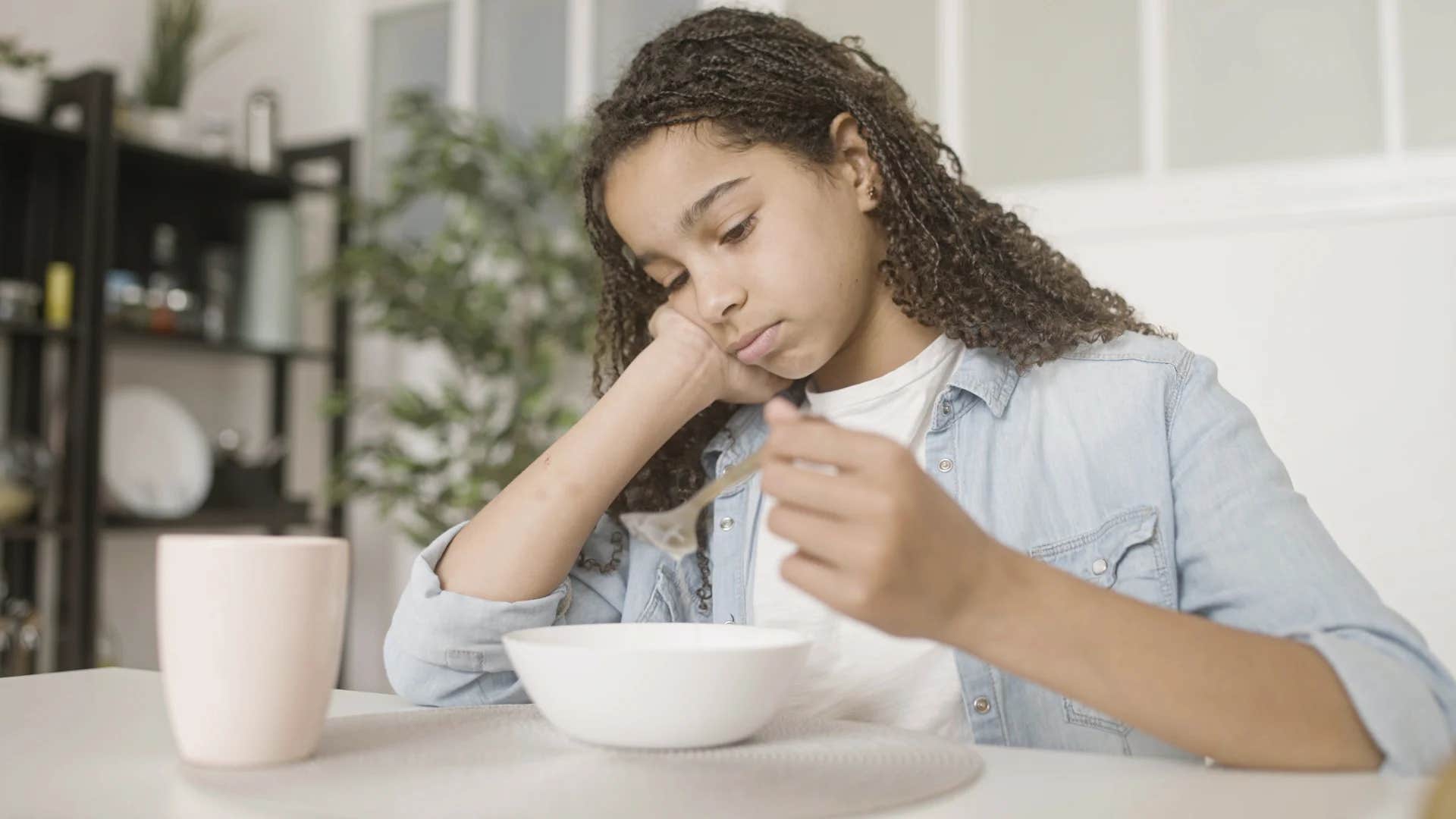
While it may not seem like a big deal, pressuring their kids to eat more than they can handle can lead to an unhealthy relationship with food and disordered eating. According to 2006 research, pressuring children to eat has been linked to lower fruit and vegetable intake and picky eating, showing that forcing kids to eat doesn't always benefit them in the long run. This is why a phrase Gen-Z will never use with their own children is, "Finish your food."
10. 'There are people who have it worse than you'
 Thaninee Chuensomchit | Shutterstock
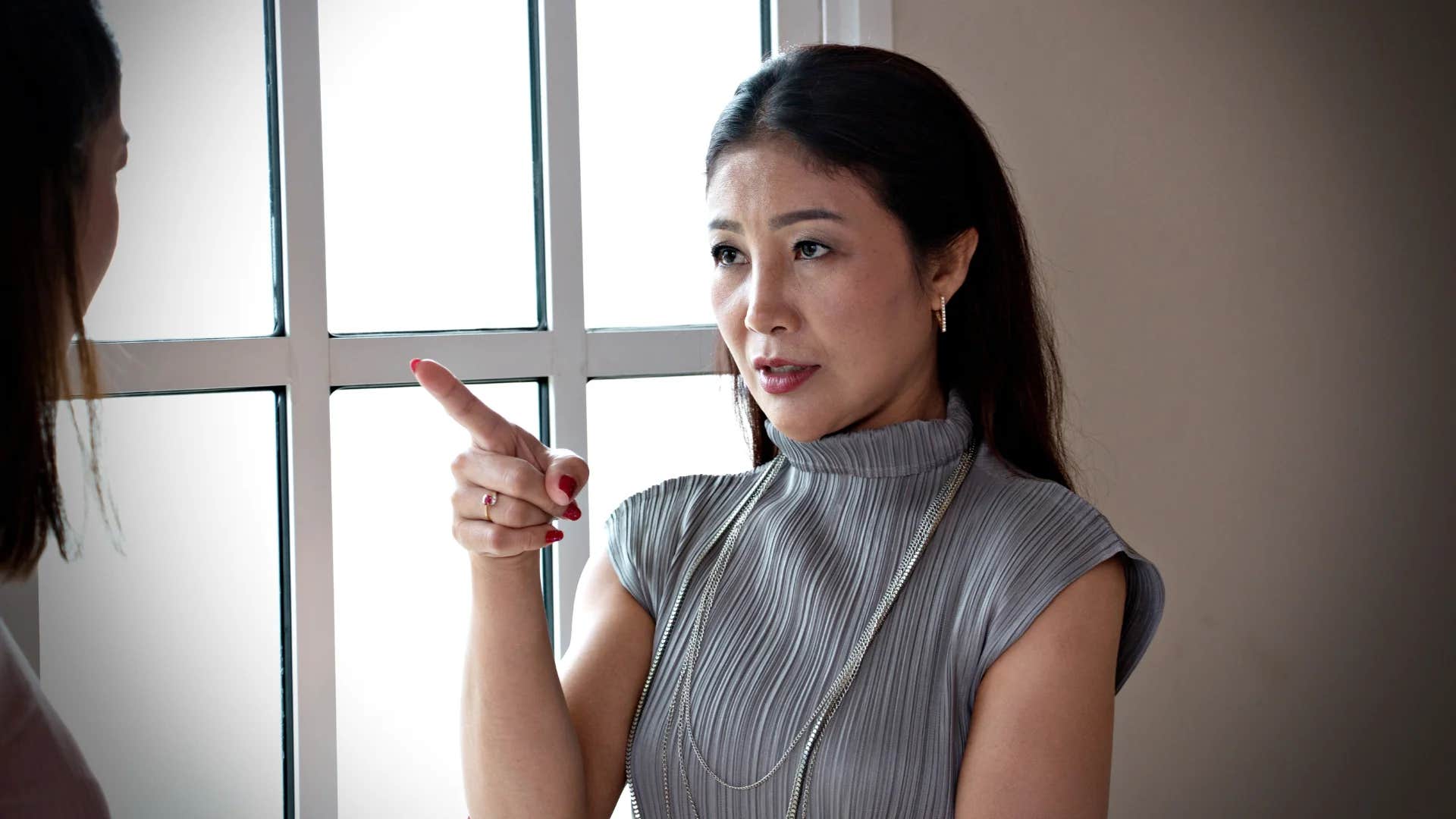
Reminding a child of their privilege is a powerful guilt trip. With a stern expression, most parents say, "There are people who have it worse than you," to justify their bad behavior. Thankfully, Gen-Z isn't like this, so this is a phrase Gen-Z will never use with their own children.
Unlike other parents, Gen-Z understands that two things can be true at the same time. Even if other kids have it worse, that doesn't erase the fact that their kids are having a hard time. So, instead of approaching it with judgment or harsh words of criticism, Gen-Z parents show compassion. They listen to their kids and do their best to sympathize with their concerns. Most importantly, they avoid comparisons and focus on the situation instead.
Marielisa Reyes is a writer with a bachelor's degree in psychology who covers self-help, relationships, career, family, and astrology topics.

