
Gen-Z Grew Up Online, But As A Millennial Parent, I'm Starting To Think We're The Real Screen Addicts
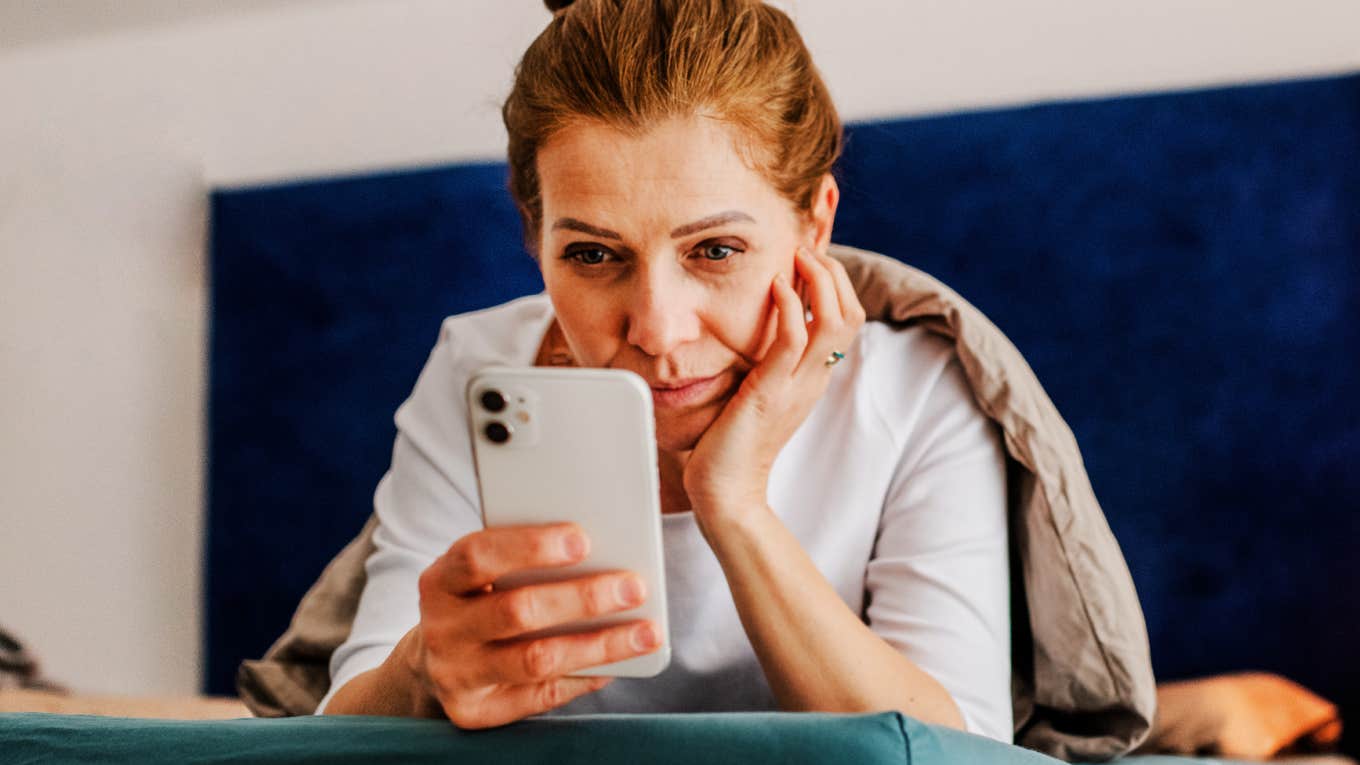 halfpoint | Canva
I used to roll my eyes at Gen Z's TikTok obsession, until I realized I might be worse.
Five years ago, my life split in two. My partner and I left London, the place I'd grown up and built my adult life, for a small village in rural Cambridgeshire. We had just crossed into our thirties, still feeling invincible, still going out late, still imagining we'd be the cool parents someday. Then the pandemic hit, and I had three babies in under three years. Like many millennial parents, I found myself raising small children while my own world shrank to the size of a screen. My social life, my work, even my escapism moved online. It wasn't just busyness. It was loneliness. And I didn't realize how much of myself I'd lost to it until the night I finally stepped out of it and into a room full of teenagers.
Gen Z gets blamed for phone addiction, but Millennial parents might be worse
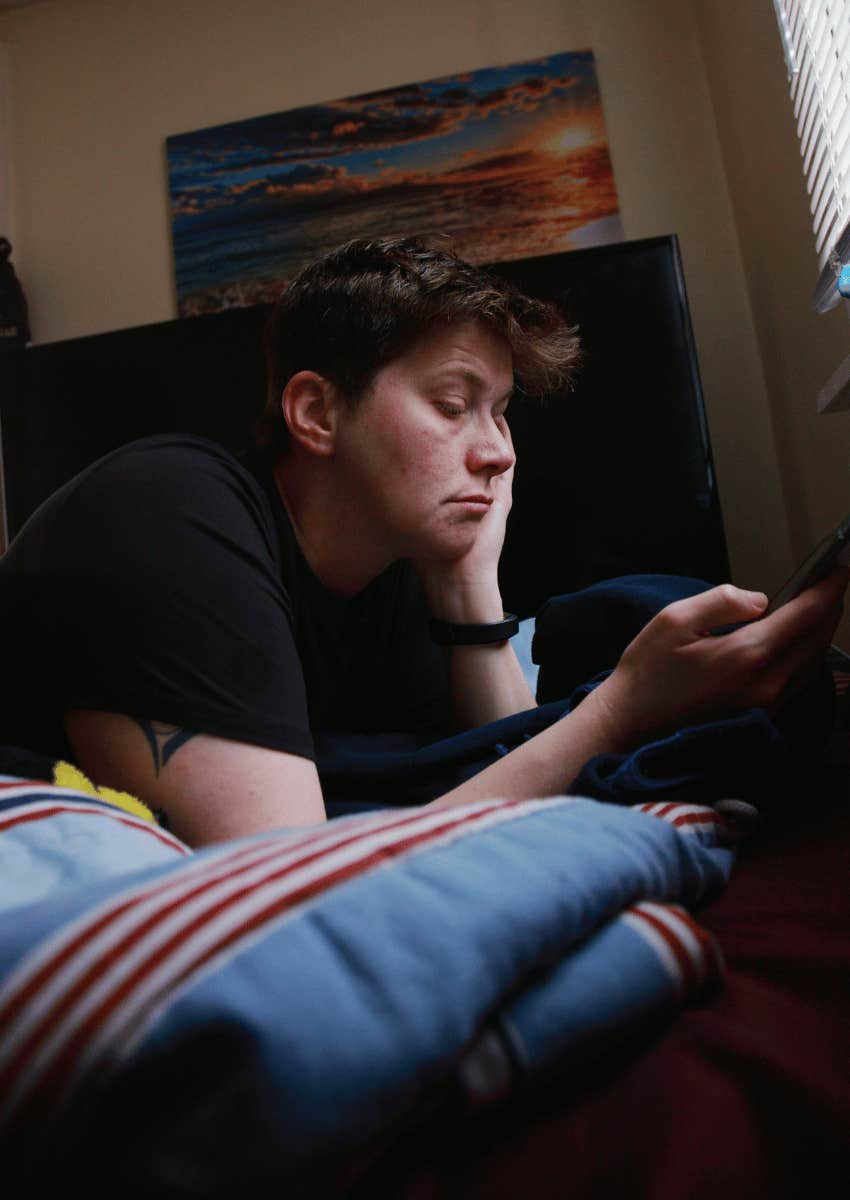 Shane / Unsplash
A friend's band was playing a gig at the Electric Ballroom in Camden. It was our first night out in five years. No pregnancy. No newborn strapped to me. No need to rush home before a bedtime meltdown. Just the two of us, dazed and unsure, but out.
I expected glowing phone screens, half-watched Instagram Stories, maybe a tinge of sadness about what youth culture had become. Instead, I saw point-and-shoot digital cameras. Teenagers genuinely thrilled to be there. A long queue for CDs and vinyl.
It wasn't an isolated moment.
Gen Z is bringing physical media back in its own way
Luminate reported that vinyl album sales rose from 13.1 million in 2016 to 49.6 million in 2023, and that vinyl buyers continue to skew younger. According to their Year-End Music Report, 24% of consumers who bought vinyl at independent record stores were 24 or younger, while 41% were under 35. Gen Z's love for vinyl is about more than sound. It's about feeling and something real.
The band we'd gone to see, Panchiko, had formed in the late '90s, recorded music in a bedroom, and burned it to CD-Rs before fading into adulthood. In 2016, a Gen-Z teenager found one of those discs in a charity shop, uploaded the music online, and accidentally helped launch a cult revival. Now the band's touring again, playing to crowds of kids born after they broke up. Watching that crowd, I couldn't help comparing them to my own generation.
Millennial parents didn't grow up online, but adulthood pulled them there anyway
Our personal histories are scattered across Facebook albums, tagged photos, and dormant blogs. We work on Teams, parent through WhatsApp, and celebrate major life moments on Instagram. We didn't choose it, we adapted. And somewhere along the way, many of us stopped noticing how much we'd given up.
In contrast, Gen-Z, raised inside the algorithm, seems to already be looking for the exits. Pew's 2024 screen-time report found that 38% of teens say they spend too much time on their smartphones, and about a quarter say the same about social media. Many teens are also trying to cut back. Pew found that 39% say they've reduced their time on social media, while 36% say they've cut back on phone use.
It's not that Gen-Z has rejected tech entirely. It's that they're carving out rituals that slow things down: vinyl, flip phones, disposable cameras, in-person connection. Photos that look real.
Meanwhile, we all live with robots in our pockets. Pew also found that 47% of parents say they spend too much time on their phones. From ChatGPT to app-fed recommendation systems, AI now shapes everything from our shopping habits to how we process our feelings. It's convenient, but quietly unnerving.
The line between human and machine is blurring. And maybe that's why the hunger for authenticity is beginning to break through.
Gen Z may be more aware of screen addiction than adults give them credit for
That night in Camden reminded me that connection is still possible. That attention, once fragmented, can be gathered again. That meaning doesn't have to come from speed, but from stillness.
We often joke about how addicted teens are to their phones. But what if they're the ones leading us out of this mess? This isn't a generational war. But it's worth acknowledging that the generation we label "digital natives" might already be pushing back more consciously and more creatively than we ever did.
Our children are growing up in a world we can barely predict. But maybe what they'll inherit isn't just burnout. Maybe they'll find a way to balance technological toolswith the need for depth, presence, and time away from the screen.
That night reminded me not just of who I was, but of what I still want to pass on. Not fear, not exhaustion, not distraction. But the hope that they'll know when to log off. And remember what it means to be human.
Susannah McIntyre is a writer, communications strategist, and mother of three. She has had articles published in the Independent, The Times of London, Medium, and Huffington Post, among others.

